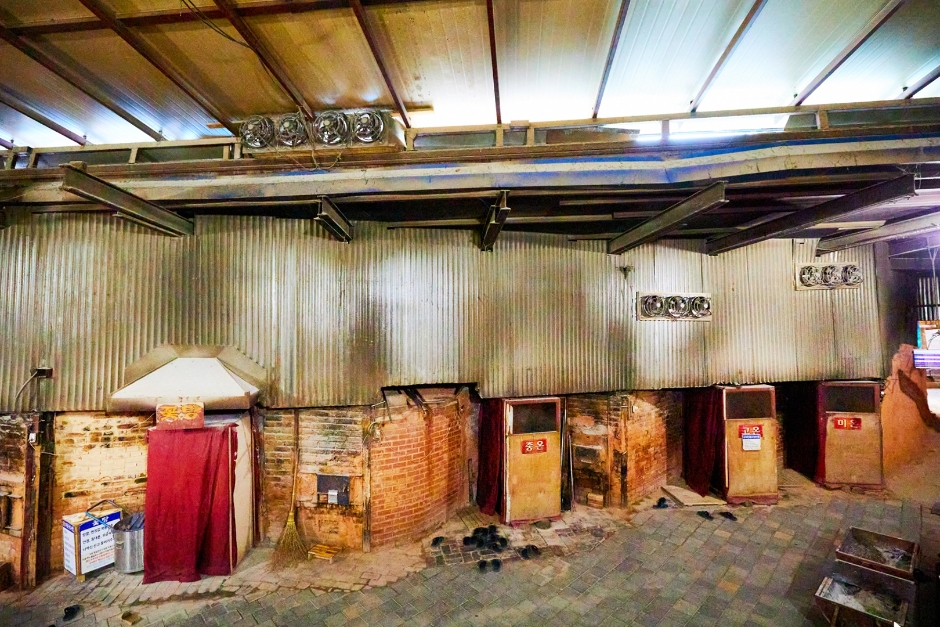
Supsok Hanbang Land (숲속한방랜드)
8.6Km 2024-03-18
75-7 Bongwonsa-gil, Seodaemun-gu, Seoul
Jjimjjilbang, a Korean-style sauna that combines a traditional bathhouse with a hot steam room, is often ranked high among the unique experiences in Korea chosen by foreigners. Taking a steam bath in a charcoal kiln discharges waste products from the skin through sweat and eliminates accumulated fatigue. Supsok Hanbang Land has several charcoal kilns for different temperatures. Using them in order from low to high-temperature rooms is good, but the highest-temperature room, “Kkottang,” has a risk of causing skinburn, so visitors are advised to wear socks and cotton gloves to enter the room. Another unique experience is to grill sweet potatoes or rice cakes on the brazier in front of the charcoal kiln.
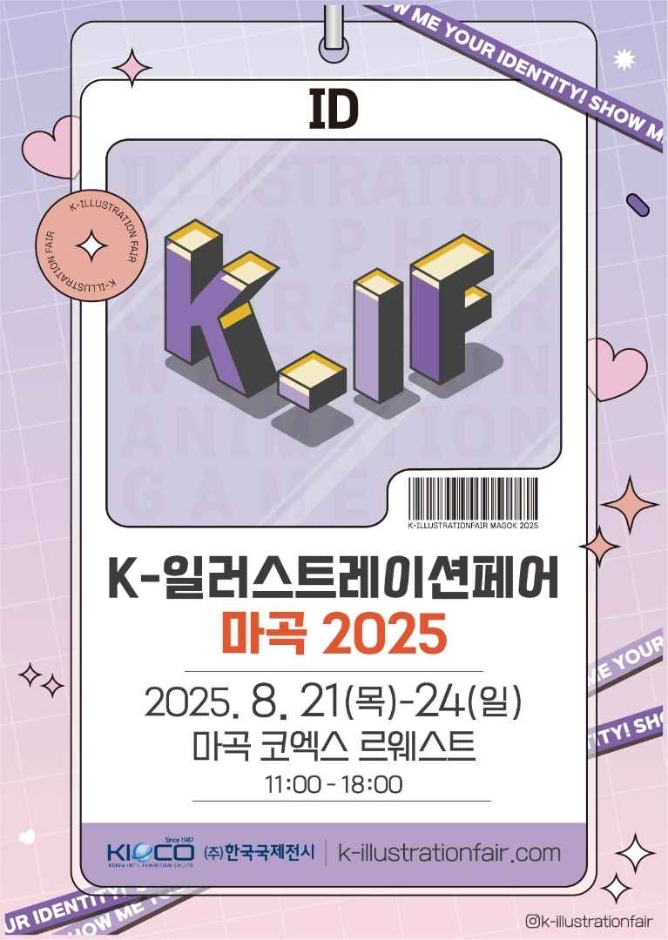
K-Illustration Fair Magok (K-일러스트레이션페어 마곡)
8.6Km 2025-07-11
143 Magokjungang-ro, Gangseo-gu, Seoul
+82-2-761-2512
The K-Illustration Fair will be held both online and offline, showing illustration in a multitude of media types, from film to music and fashion. Visitors can learn about the current trends in illustration business, as well as meet famous illustrators and their works.
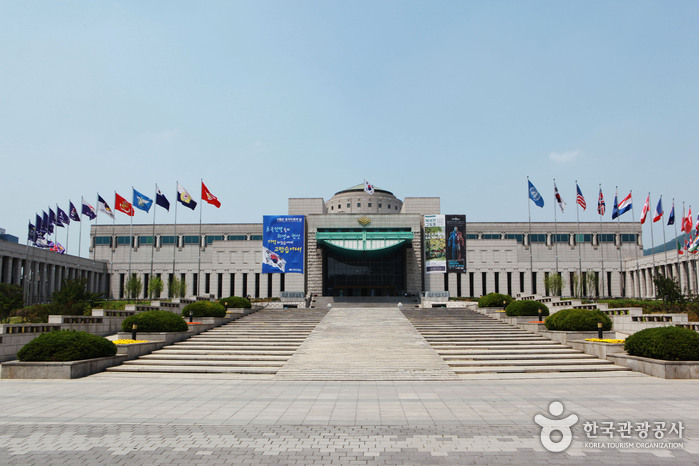
The War Memorial of Korea (전쟁기념관)
8.6Km 2022-12-29
29, Itaewon-ro, Yongsan-gu, Seoul
+82-2-709-3144
The War Memorial of Korea, located in Yongsan-gu, Seoul, exhibits and preserves materials related to the Korean War and serves as a national moral educational venue. It was established on June 10, 1994 by the War Memorial Service Korea Society to commemorate the noble sacrifice of patriotic martyrs. The museum houses approximately 33,000 artifacts with about 10,000 on display at indoor and outdoor exhibitions. There are six separate indoor halls, including Expeditionary Forces Room, Patriotic Memorial Room, War History Room, 6·25 Korean War Room, Development Hall and Large Machinery Room. The outdoor exhibition showcases large-sized weapons. Visitors of all ages from children to adults can also participate in 20 various educational programs and diverse cultural events such as military music and honor guard events, drawing contest, cultural event and more. The character of War Memorial of Korea is ‘Mudori’ featuring a helmet symbolizing the protection of the nation and a bay leaf meaning peace.
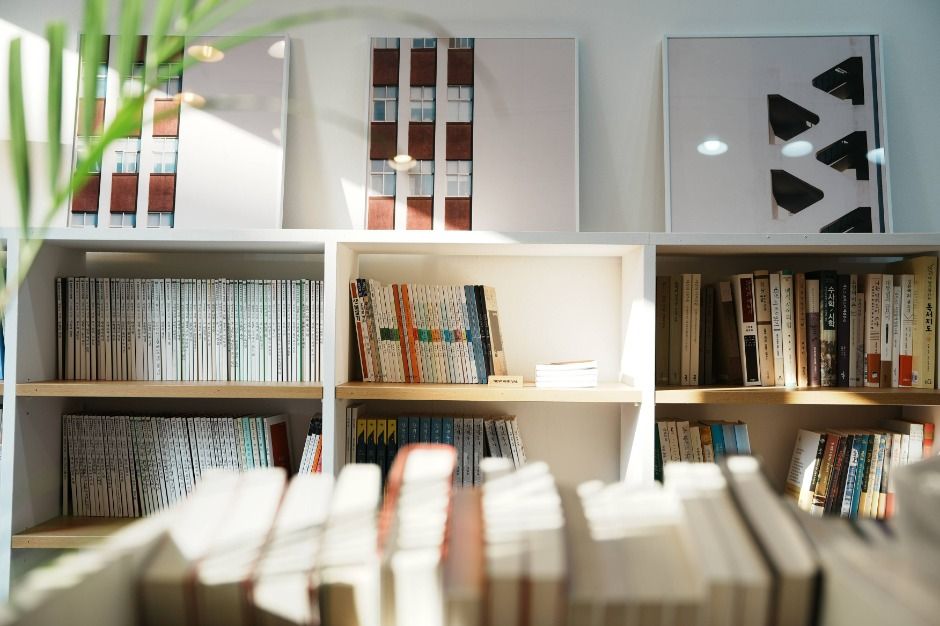
Dasi Bookshop (다시서점)
8.6Km 2025-08-14
77-24 Gonghang-daero 8-gil, Gangseo-gu, Seoul
Dasi Bookshop sells both second-hand and new books, and offers a space for readers to connect with books through a carefully curated selection, including limited edition books and books from independent publishers that are difficult to come by. In addition, it hosts book talks, book reading sessions, and author events, creating a cultural space for the community to connect. Visitors can also purchase merchandise and specially designed products, along with books, available both online and in the physical store.

Yongsan Family Park (용산가족공원)
8.6Km 2022-12-15
185, Seobinggo-ro, Yongsan-gu, Seoul
+82-2-792-5660
Visitors to Yongsan Family Park can enjoy a relaxing time at a big grassy field beside a refreshing pond and well-organized walking paths. Yongsan Family Park spans an area of roughly 89,256.20 ㎡ in what was a section of the former golf course of the Eighth US Army Division. The park is comprised of various facilities such as a 2km-walking path, a natural education site, and Taegeukgi Park. Visitors can watch and feed pigeons and wild pheasants living at the park.
105405 Magok (105405 마곡)
8.7Km 2025-03-07
161-8 Magokjungang-ro, Gangseo-gu, Seoul
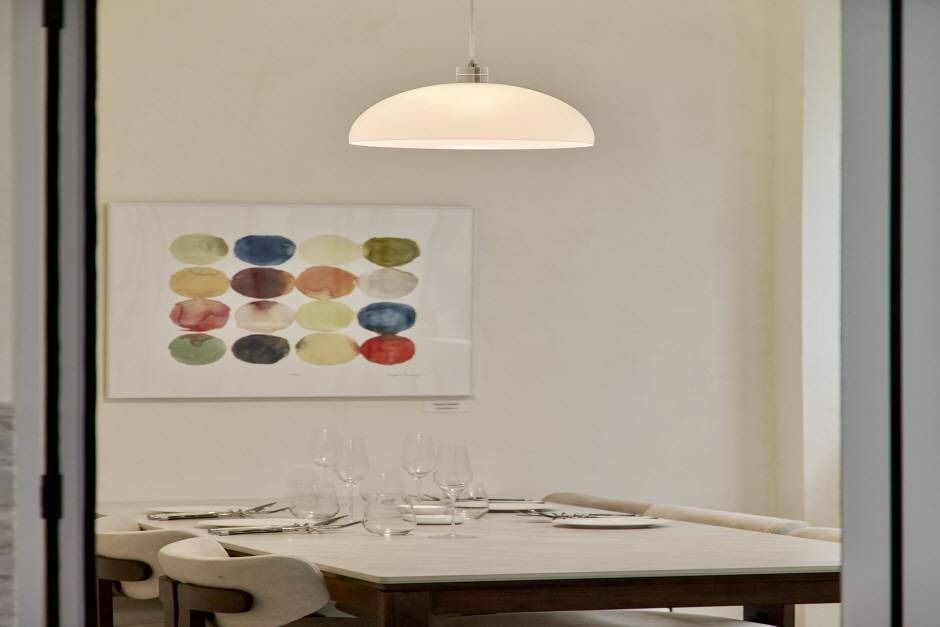
105405 Magok, a restaurant located in the Ganseo-gu district of Seoul, is famous for its charcoal grilled steak and its reinterpretation of side dishes, which is a significant part of Korean food culture. The steaks here are prepared through a meticulous process of wet-aging, seasoning, color development, confit, and charcoal grilling, with lunches served as course meals only.
THE WELL SAEM HOSPITAL OF KOREAN MEDICINE (더웰샘한방병원)
8.7Km 2025-10-23
4th, 6th Floors, Hanil Plaza, 7 Namhyeon-gil (Namhyeon-dong), Gwanak-gu, Seoul
Integrative medicine, which links the strengths of Korea’s traditional medicine and Western medicine, is cutting-edge convergent medicine that provides optimal services for patients in most fields, except surgery and emergency medicine.
Traditional Korean treatments and modern medical treatments can deliver superior results compared to stand-alone therapies when applied in a patient-centered, multidisciplinary, and integrative manner. This is especially important for patients with intractable diseases such as cancer, severe chronic pain caused by aging and degenerative changes, and systemic symptoms resulting from recurrent inflammation and metabolic disorders. In such cases, integrative medicine represents a new paradigm that seeks not only physical health but also holistic recovery.
THE WELL SAEM HOSPITAL OF KOREAN MEDICINE pursues this integrative medicine, supporting patients’ faster recovery while also promoting the excellence of the Korean healthcare system worldwide, thereby aiming to create a pain-free, healthy world for all.
The Catholic University of Korea Bucheon St. Mary’s Hospital (가톨릭대학교 부천성모병원)
8.7Km 2025-10-23
327 Sosa-ro, Wonmi-gu, Bucheon-si, Gyeonggi-do
The Catholic University of Korea Bucheon St. Mary's Hospital is the first university hospital in Bucheon. Since its opening in 1958, it has used leading medical technology and has contributed to the local community healthcare development and health promotion.
We will expand our multidisciplinary medical treatment so that patients' emotions can be embraced, and we will showcase our advanced patient-centered hospital.
Seodaemun Museum of Natural History (서대문자연사박물관)
8.8Km 2021-07-02
51, Yeonhui-ro 32-gil, Seodaemun-gu, Seoul
+82-2-330-8899
Nestled at the foothills of Ansan Mountain, a natural resting area in the city, Seodaemun Museum of Natural History is the first natural history museum in the nation to be established by a government agency. Opened on July 10, 2003, the museum offers various opportunities to experience and learn about the environment. It also provides the chance to interact with animals and plants, teaching the value of life.
Bongwonsa Temple (봉원사)
8.8Km 2023-03-13
120, Bongwonsa-gil, Seodaemun-gu, Seoul
+82-2-392-3007
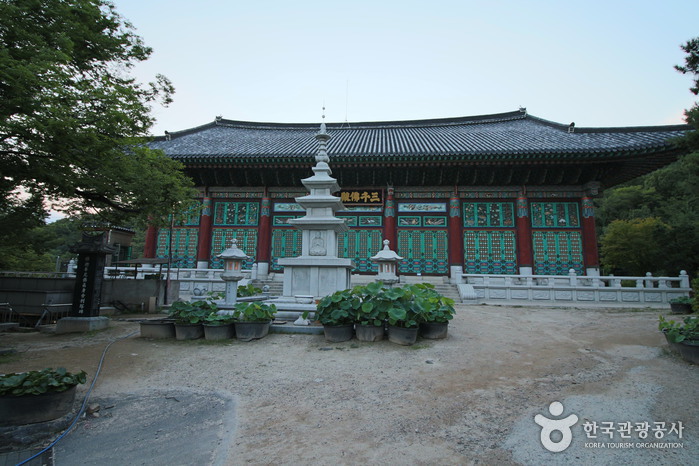
Located on the outskirts of Ansan Mountain in Bongwon-dong, Seodaemun-gu, Seoul, Bongwonsa Temple, as the center of Korean Buddhism Taego, is a thousand-year-old temple with a long history and tradition. In 889 (3rd year of Shilla Queen Jinseong’s reign), Monk Doseon founded it at the ground of Yeonhui Palace (now Yonsei Univ.) and named it Banyasa temple. It was destroyed during the Imjin War in 1592, and later in 1748 (the 24th year of Joseon King Yeongjo’s reign), it was rebuilt and renamed “Bongwonsa” by two Buddhist monks, Chanjeup and Jeungam.
“Yeongsanjae,” one of the Buddhist rituals and also a National Intangible Cultural Property, takes place at Bongwonsa on June 6 every year wishing for world peace and the reunification of North and South Korea. It was designated as one of the Intangible Cultural Heritage of Humanity by UNESCO in 2009. During Yeongsanjae, visitors can enjoy the Buddhist arts such as Beompae (Buddhist temple music for rituals) and dancing. Also, during summertime, Seoul Lotus Flower Culture Festival takes place, where visitors can enjoy the beautiful lotus flowers which are a symbol of Buddhism.
 English
 한국어
한국어 日本語
日本語 中文(简体)
 Deutsch
 Français
 Español
 Русский


