
The Children’s Museum of the National Folk Museum of Korea (국립민속박물관&국립민속박물관 어린이박물관)
19.4Km 2025-06-19
37 Samcheong-ro, Jongno-gu, Seoul
The Children’s Museum of the National Folk Museum of Korea, located within Gyeongbokgung Palace, showcases artifacts related to Korean traditional culture. This interactive museum allows children to experience and learn about various aspects of Korean traditional clothing, food, society, culture, and games firsthand. Especially catering to children from Asian countries, there is a service for renting items, and reservations are required for admission.
Haenggung-dong Mural Village (행궁동 벽화마을)
19.4Km 2025-10-28
9-7 Hwaseomun-ro 72beon-gil, Paldal-gu, Suwon-si, Gyeonggi-do
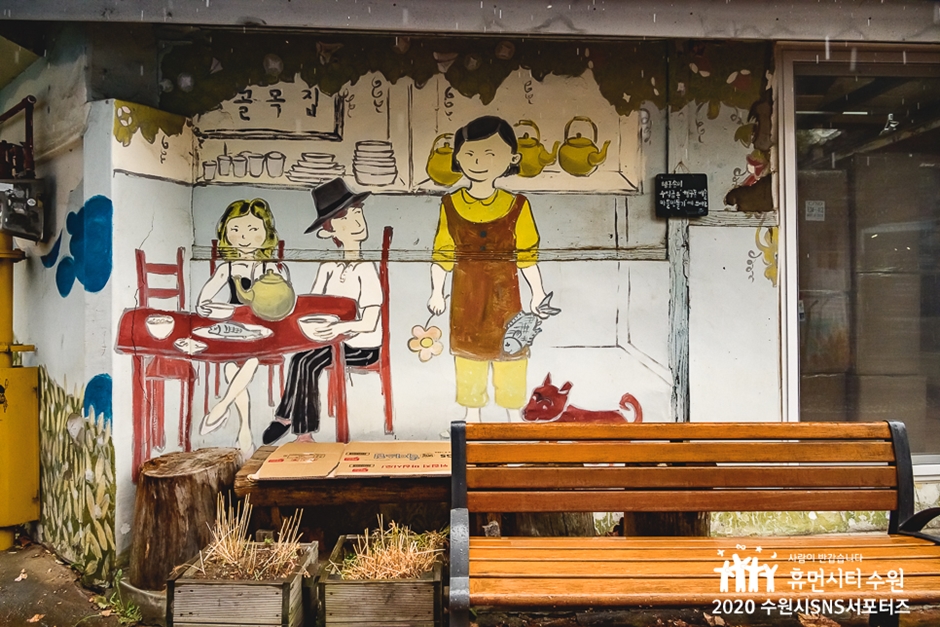
Suwon’s Haenggung-dong is the name for 12 neighborhoods, including Jangan-dong and Sinpung-dong, in the Hwaseong Fortress area. It was the most bustling place in Suwon from when the Hwaseong Fortress was built 220 years ago until just a few decades ago. However, with Hwaseong Fortress being designated as a UNESCO World Heritage Site, time seems to have stopped due to strict development regulations. In the meantime, residents, civic groups, and artists came together to paint murals in effort to make the area become more alive. Due to their efforts, the region has now emerged as a tourist attraction visited by as many people as Hwaseong Fortress.
The Haenggung-dong comprises various alleys connected depending on their characteristics, including the Mural Village, Workshop Street, Suwon Chicken Street, and Jidong Market. The Mural Village is divided into six alleyways by theme, including the Haengbokha (Happy) Road, Saranghada (Love) Road, Nuneuroganeun (to Snow) Road, Cheoeumachim (First Morning) Road, Romance Road, and Dwiroganeun (Backward) Road. A photo zone has been set up in front of the mural, and not only the mural but also the walls, roof, and fence are filled with various sculptures and paintings. Many pretty workshops and cafés nearby are also interesting to look around.
◎ Travel information to meet Hallyu’s charm - TV series "Lovely Runner"
Haenggung-dong Mural Village sets the scene where Sol and Sun-jae walked to school together. It is also where the memorable scene was filmed of Sol dashingly pushing a flustered Sun-jae against the wall. As you stroll along the low stone walls adorned with murals, it’s easy to imagine the couple’s school-day moments, adding a nostalgic charm to your walk.
Tonymoly - Dongdaemun Branch [Tax Refund Shop] (토니모리 동대문)
19.4Km 2024-04-18
257, Jangchungdan-ro, Jung-gu, Seoul
-
Olive Young - Seoul Forest Station Branch [Tax Refund Shop] (올리브영 서울숲역점)
19.4Km 2024-06-26
1F, 50, Wangsimni-ro, Seongdong-gu, Seoul
-
![Tanello Jewellery [Tax Refund Shop] (타넬로(모두디자인컴퍼니))](http://tong.visitkorea.or.kr/cms/resource/31/2887931_image2_1.jpg)
Tanello Jewellery [Tax Refund Shop] (타넬로(모두디자인컴퍼니))
19.5Km 2024-04-16
1F, 10, Bukchon-ro 5-gil, Jongno-gu, Seoul
-
Doosan Art Center (두산아트센터)
19.5Km 2021-11-01
15, Jong-ro 33-gil, Jongno-gu, Seoul
+82-2-708-5001
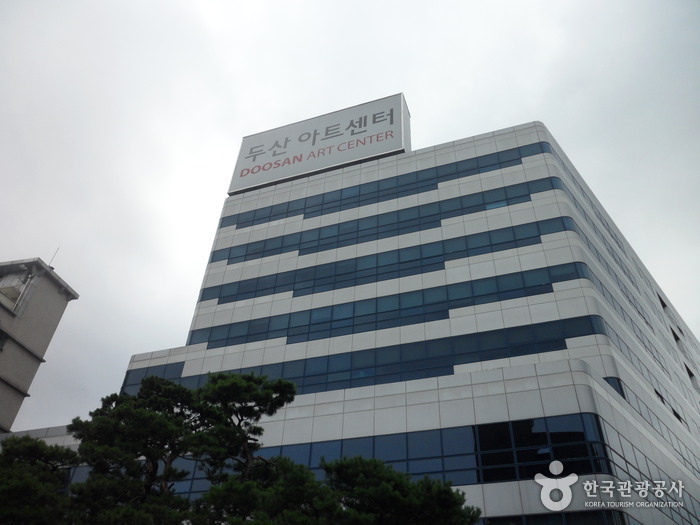
Doosan Art Center, which opened on October 1, 2007, is structured around three different spaces: The Yonkang Hall, exclusively designed for musical performances, Space 111, a “space for art incubation,” and the Doosan Gallery, built for installations.
The Yongang Hall, a theater with 620-person seating capacity, has specially designed lightings and a world-class audio-visual system to provide a second-to-none sensory experience.
Space 111 can accommodate a broad range of performing arts, from theater and dance to film and music concerts. The Doosan Gallery is open to the public, and art exhibitions and performances here can be enjoyed free of charge.
All three theaters include spacious lobbies with handicapped access, designated seating for parents with infants, and meeting areas. Rest rooms are also available nearby, in order to avoid long queues and long walks during intermission.
Cheonggyecheon Stream (청계천)
19.5Km 2024-05-16
Changsin-dong, Jongno-gu, Seoul
+82-2-2290-7111
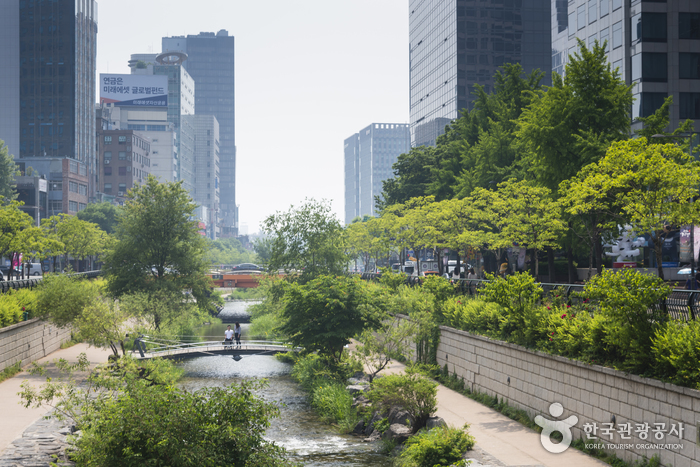
Cheonggye Plaza was built on Sejong-ro Street, where Cheonggyecheon Stream begins. It was built between Dong-A Ilbo, the starting point of the Cheonggyecheon Stream restoration, and Sindap Railroad Bridge, with a length of 160 meters, a x_width of 50 meters, and a total area of 6,962 meters squared. The plaza is decorated with fountains, waterfalls, and walking paths. It was created as a place for meetings, harmony, peace, and unification, to celebrate the significance of the restoration of Cheonggyecheon Stream. A miniaturized version of Cheonggyecheon Stream is displayed here, providing an overview of the restored stream. There are also interpretive panels about the 22 bridges that cross Cheonggyecheon stream. Fountains of various shapes create beautiful scenery. Cheonggyecheon Stream is accessible from the square through stairs on the left and Cheonggye Trail on the right. There is also an 18-meter tunnel on the Cheonggye Trail, providing a unique experience for citizens entering Cheonggyecheon Stream from the plaza. After constructing Cheonggyecheon Plaza, the Seoul Metropolitan Government made it a car-free street on public holidays so that the plaza, waterside area, and streets could be used as cultural spaces for citizens to relax. A spectacular sight is created by three-color lights illuminating the fountains and a two-tiered waterfall coming down from a x_height of four meters. Palseokdam, made of eight stones from eight provinces in Korea, was laid along the waterfall's sides.
Hanji House (한지가헌)
19.5Km 2025-07-25
31-9 Bukchon-ro, Jongno-gu, Seoul
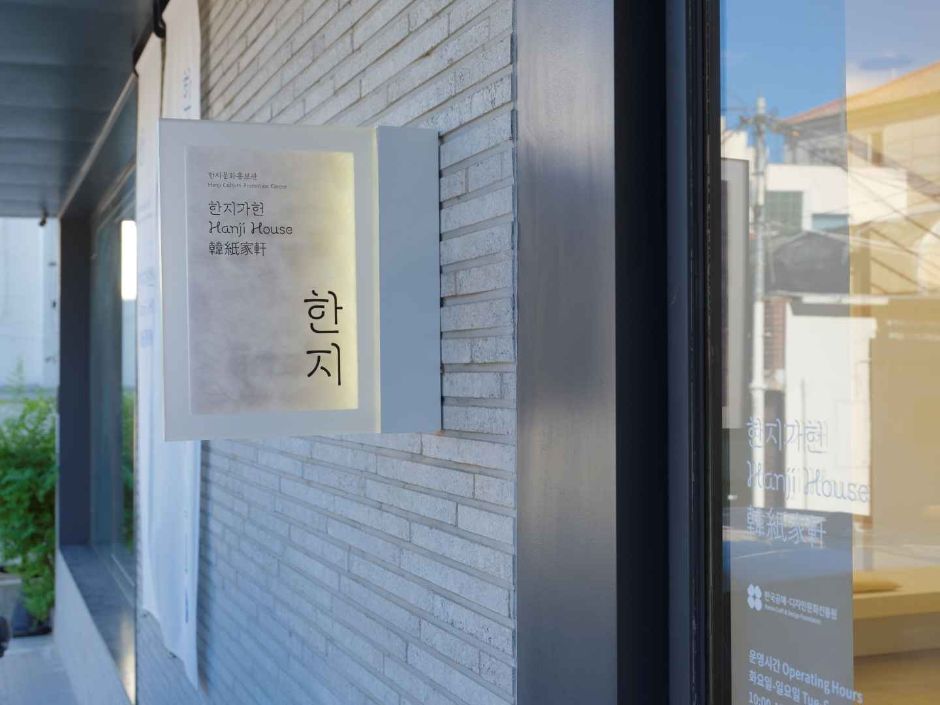
Hanji House was founded to pass on the cultural heritage of hanji, traditional Korean paper, as well as to promote its excellence and uses in everyday life. The center is operated by Korea Craft & Design Foundation, and offers a variety of programs that consist of exhibitions, hands-on activities, classes, and marketing hanji products. On the first floor is Hanji Showroom, where various exhibitions take place to showcase hanji of the past and the present. The basement floor comprises Hanji Open Archive, Hanji Print Studio, and Hanji Workroom, where most of the hands-on activities and classes are held. Hanji House also offers a docent program for exploring the whole area.
The Great Full Moon Festival (정월대보름 한마당)
19.5Km 2025-02-05
37 Samcheong-ro, Jongno-gu, Seoul
+82-2-3704-3106
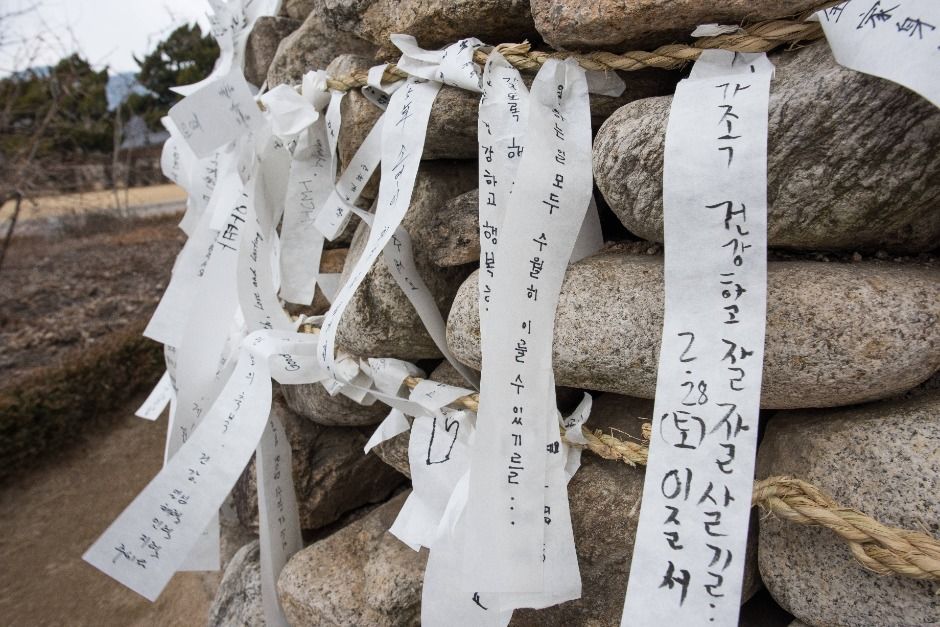
The National Folk Museum is celebrating the first full moon of the Lunar new year, Jeongwol Daeboreum. A variety of experiences are prepared to eliminate bad luck and pray for prosperity and health. The event provides a chance for locals and tourists alike to learn more about the traditional culture of Korea.
Dongdaemun History & Culture Park (동대문역사문화공원)
19.5Km 2024-11-27
281 Eulji-ro, Jung-gu, Seoul
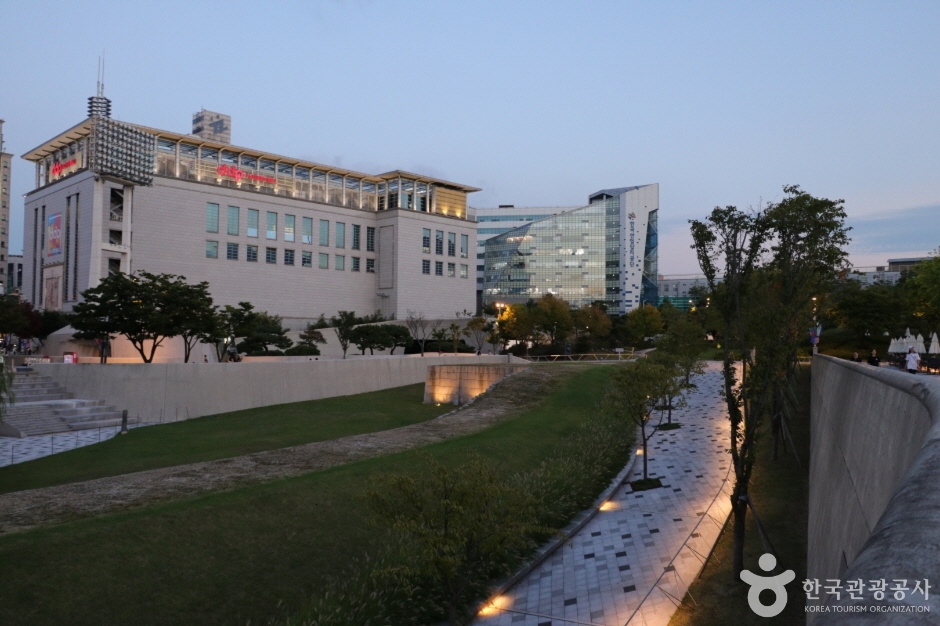
Dongdaemun History & Culture Park is a park established on the former site of the Dongdaemun Stadium. It serves as a thematic park showcasing the history and culture of Seoul, while also providing a space to experience modern design and culture. During the park's development in 2008, numerous artifacts from the Joseon dynasty, including The Two Floodgates, the Chiseong Castle, Military Training Agency, and over 1,000 relics from the Joseon era, were excavated. Alongside the park, there is the Dongdaemun Design Plaza (DDP) and the Relic area.
 English
 한국어
한국어 日本語
日本語 中文(简体)
 Deutsch
 Français
 Español
 Русский


