
Sehwa Beach (세화해변)
1.3Km 2023-01-17
Sehwa-gil, Jeju-si, Jeju-do
Sehwa Beach, located in Sehwa-ri in Gujwa-eup, is a white sandy beach with black basalt that harmonizes perfectly with the emerald waters. Sehwa Beach is well-known in Jeju Island due to its close proximity with Bellongjang Market and Sehwa Folk Fifth-day Market, opening right next to Sehwa Beach, as well as the flea market at Bellongjang Market attracting many visitors.
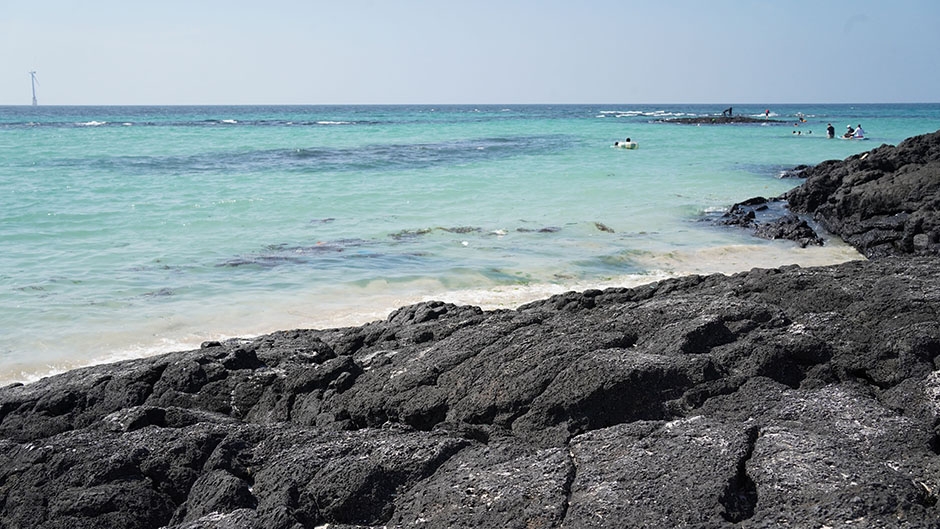
Conan Beach (코난해변)
4.4Km 2025-10-29
575-6 Haengwon-ri, Gujwa-eup, Jeju-si, Jeju-do
◎ Travel information to meet Hallyu’s charm – variety show “EXchange / Transit Love 3”
Hado Beach (하도해변)
4.9Km 2025-10-27
1973 Haemajihaean-ro, Gujwa-eup, Jeju-si, Jeju-do
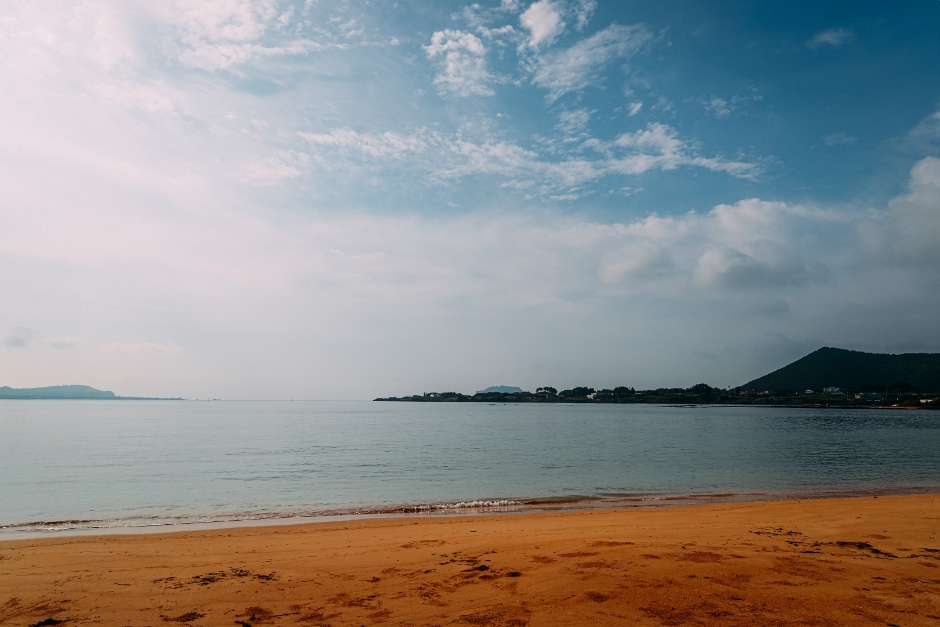
Located by the roadside of Hado-ri, known as the most beautiful coastal road in Jeju, Hado Beach is relatively quiet compared to other beaches in Jeju, featuring wide sandy beaches and clear, shallow waters. The gentle scenery unfolds with calm waves, making it suitable for marine leisure activities such as snorkeling and kayaking. Like Rain and Noh Hong-chul in "The Hungry and the Hairy," you can spread a simple table and chair and enjoy a cup of coffee quietly.
Woljeongri Beach (월정리해변(월정리해수욕장))
5.2Km 2025-03-13
480-1 Haemajihaean-ro, Jeju-si, Jeju-do
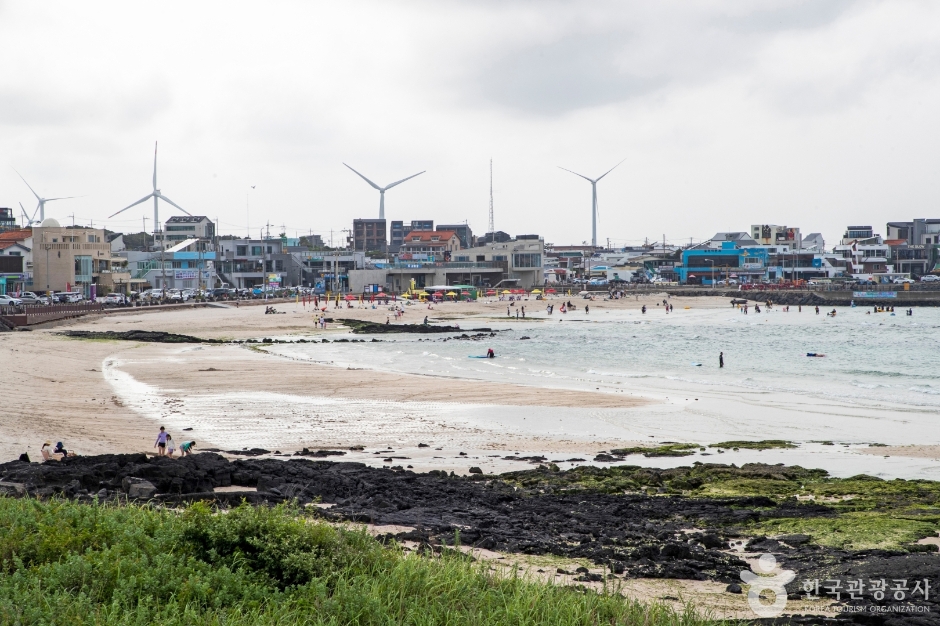
Woljeong-ri, a village located on the east side of Jeju Island, holds the meaning "the moon stays." The beautiful emerald sea spreads out like a picture, and the bright moon shines above it. As more and more travelers visited the beach to appreciate its beauty, many restaurants, cafes, and lodging facilities started to form along the shoreline. Some cafes placed chairs for people to relax in while looking at the sea, which became an iconic photo spot of Woljeongri Beach.
The beach is also a popular location for a variety of water sports such as surfing, snorkeling, and kayaking. Woljeongri Beach is popular among surfers because it has waves with a uniform x_height that are constantly coming in. The beach is also a part of the Gimnyeong-Hado Olle and Gimnyeong-Woljeong Geotrail Course on Jeju Olle Trail Route 20, and a great spot for tourists to take a break while taking in the beautiful scenery and cool scent of the sea.
Natural Habitat of Crinum Lilies on Tokkiseom Island (제주 토끼섬 문주란 자생지)
5.4Km 2022-09-08
Mujuran-ro, Jeju-si, Jeju-do
Jeju's Tokkiseom Island (Rabbit Island) is located 50 meters off the coast of Hado-ri, Gujwa-eup in Jeju-si. Crinum lilies grow in an environment where the average temperature is around 15℃ with the lowest temperature no less than -3.5℃. The flower is white and blooms from July to September. They bloom at night and have a strong fragrance.
![Gimnyeongsagul Cave [UNESCO World Heritage] (김녕사굴 [유네스코 세계자연유산])](http://tong.visitkorea.or.kr/cms/resource/37/1618237_image2_1.jpg)
Gimnyeongsagul Cave [UNESCO World Heritage] (김녕사굴 [유네스코 세계자연유산])
6.7Km 2022-12-29
34, Manjanggul-gil, Jeju-si, Jeju-do
Gimnyeongsagul Cave is located close to Manjanggul Cave in the northeastern part of Jeju Island. The name of the cave, "Sagul," comes from the snake-like formation of the cave ("sa" meaning serpent). The entrance of the cave is wide like a serpent holding its mouth wide open, but once inside, the tunnel narrows resembling the body of a snake. Gimnyeongsagul Cave is a highly protected area and has been designated as Natural Monument along with Manjanggul Cave.
Gimnyeong Maze Park (김녕미로공원)
6.9Km 2024-03-13
122 Manjanggul-gil, Gujwa-eup, Jeju-si, Jeju-do
Gimnyeong Maze Park is intricately designed with towering evergreen trees, each reaching up to three meters in x_height, creating an natural labyrinth. The pathways are paved with scoria, a natural volcanic rock characteristic of Jeju, enhancing the authentic island feel. As visitors navigate the maze, the refreshing scent of evergreen trees fills the air, providing a sense of clarity and rejuvenation. Along the route, visitors can encounter unique dolmens and their feline residents. The park also features an observatory and a suspension bridge, offering breathtaking panoramic views. Gimnyeong Maze Park is a favorite destination for families, children and couples alike, providing a memorable experience for all.
 English
 한국어
한국어 日本語
日本語 中文(简体)
 Deutsch
 Français
 Español
 Русский


