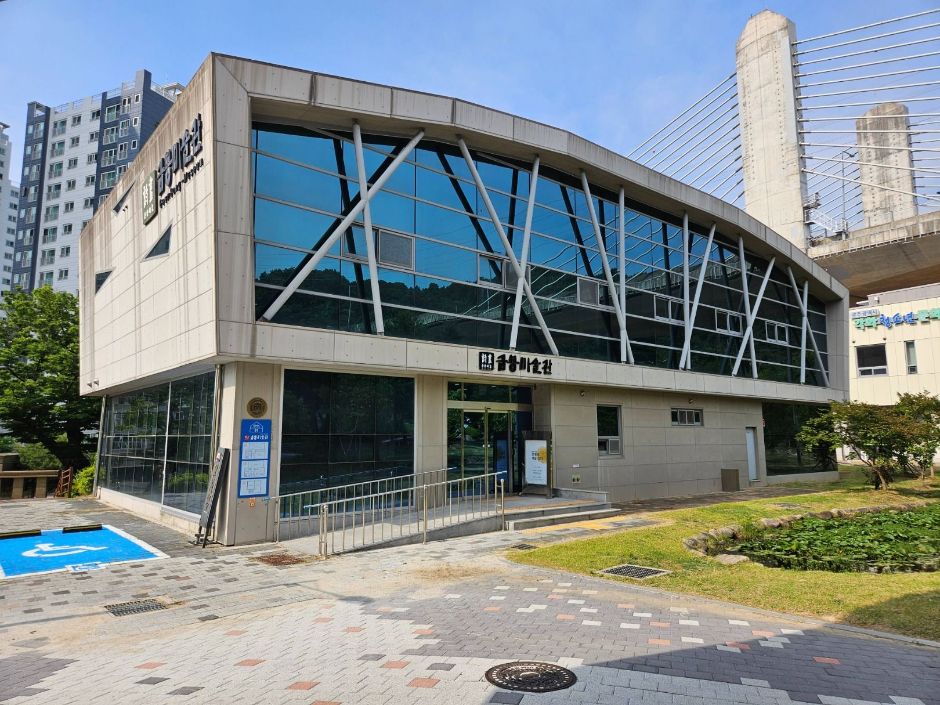
GeumBong-Museum (시화문화마을 금봉미술관)
9.9Km 2024-12-17
91 Gakhwa-daero, Buk-gu, Gwangju
Opened in 2015, GeumBong-Museum has 291 art works of painter Park HaengBo. The museum also has various contemporary art works to further spread the knowledge of both traditional and contemporary art. It offer classes and exhibition to support the local art culture.

Gwangju Family Land (광주 패밀리랜드)
10.0Km 2025-01-10
677, Uchi-ro, Buk-gu, Gwangju
+82-62-607-8000
Gwangju Family Land is an amusement park equipped with dozens of exciting rides as well as recreational facilities such as a swimming pool, an ice rink, and a sledge park. Spanning 290 acres of land, it is the largest urban amusement park in all of Jeollabuk-do and Jeollanam-do Provinces. The amusement park also offers entertainment courses designed for couples, families and children.
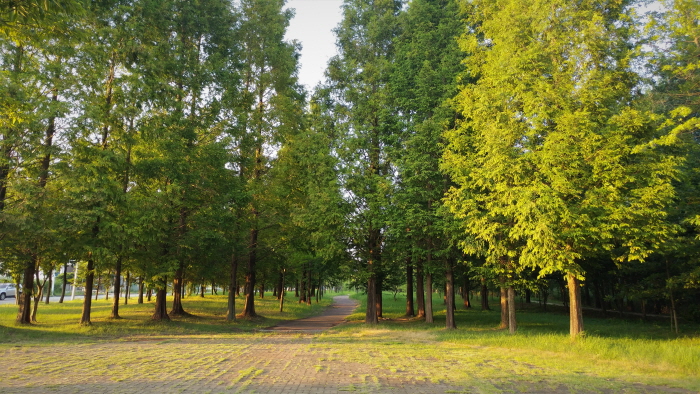
Citizen's Forest Campground (시민의 숲 야영장)
10.2Km 2024-02-14
190 Chuam-ro, Buk-gu, Gwangju
Citizen's Forest Campground, situated alongside the Yeongsangang River in Gwangju, offers a nature-friendly escape in the heart of the city. The campground provides options for both auto-camping and traditional camping. It features walking trails and is conveniently located near a waterside park, making it ideal for strolls. Additionally, a swimming pool is available for visitors every summer.
De Young Museum (드영미술관)
10.3Km 2024-10-10
6 Seongchon-gil, Dong-gu, Gwangju
De Young Museum is an art gallery located at the entrance to Mudeungsan National Park. The gallery opened in 2018 with the concept of being "forever young" and aims to develop the local culture scene through connections with the local community.

Uijae Museum of Korean Art (광주 의재미술관)
11.6Km 2024-11-14
155 Jeungsimsa-gil, Dong-gu, Gwangju
+82-62-222-3040
The Uijae Museum of Korean Art was established in memory of the famous Korean artist Heo Baekryeon. Construction of the museum ended in December, 1999, but the museum wasn’t officially opened until November 17, 2001. Built to mimic the curve of a gently sloping road, the museum’s unique design earned architect Jo Seongryong the 10th Korean Architecture Award the same year as the museum’s opening. Measuring 6,000㎡ (B1-2F) in size, the museum is comprised of two exhibition rooms, a storage facility, a seminar room, and a tea ceremony room for visitors. Since its opening, the Uijae Museum of Korean Art has hosted notable exhibitions and seminars such as the 2002 Biennale Project 2 International Symposium.
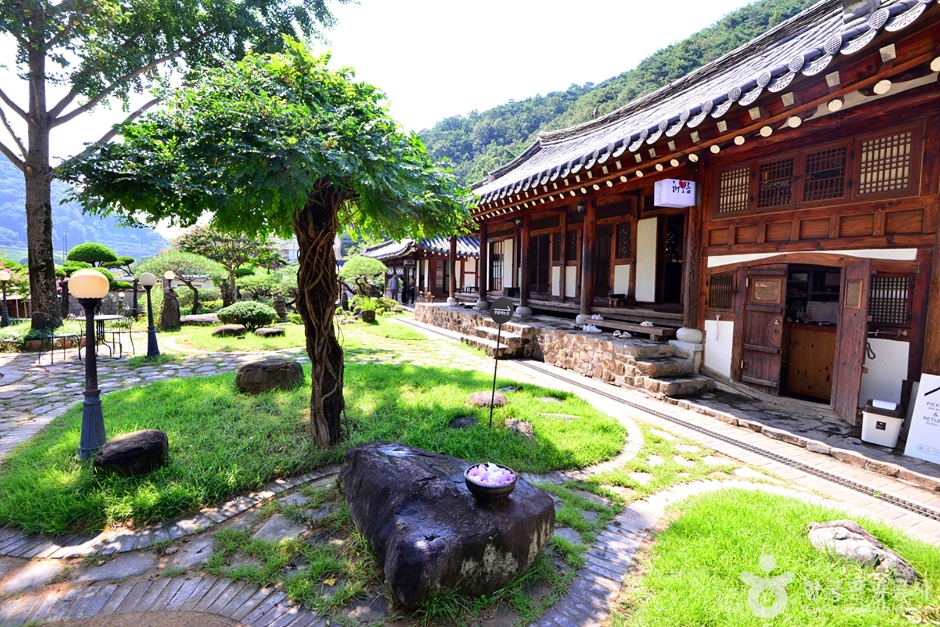
Kkotpineun Chunsamwol (꽃피는춘삼월)
11.8Km 2024-02-13
50 Seongyo-ro, Dong-gu, Gwangju
Kkotpineun Chunsamwol is a traditional Korean teahouse nestled in a picturesque hanok. It specializes in authentic Korean beverages and desserts. The teahouse's signature offering is ssanghwatang, an herbal tonic tea prepared with chestnuts, gingko, and nuts in a homemade decoction. Other popular items include Yennal Bingsu (shaved ice with grain and black sesame ice cream), and a nutty latte with bean powder. These beverages pair exceptionally well with traditional Korean sweets like yakgwa (honey cookie) and garaetteok gui (grilled rice cake stick), enhancing the overall culinary experience.
![Chojeom Stay [Korea Quality]스테이 초점[한국관광 품질인증]](http://tong.visitkorea.or.kr/cms/resource/05/2949005_image2_1.jpg)
Chojeom Stay [Korea Quality]스테이 초점[한국관광 품질인증]
11.8Km 2023-05-23
33-6 , Dangga-gil, Naju-si, Jeollanam-do
+82-10-4892-3473
Chojeom Stay is a hanok guesthouse in the innermost part of a small village in Naju, Jeollanam-do. The old house, which has been renovated, comprises a living room, kitchen, bedroom space and a raised-floor numaru where guests can enjoy a quiet hour while brewing tea. The spacious yard contains an outdoor fire place that creates a sentimental time, and an open-air tub where you can bathe in warm water while cool breezes rustle the trees. The outdoor shoes lined up by the side of the yard are somehow touching.
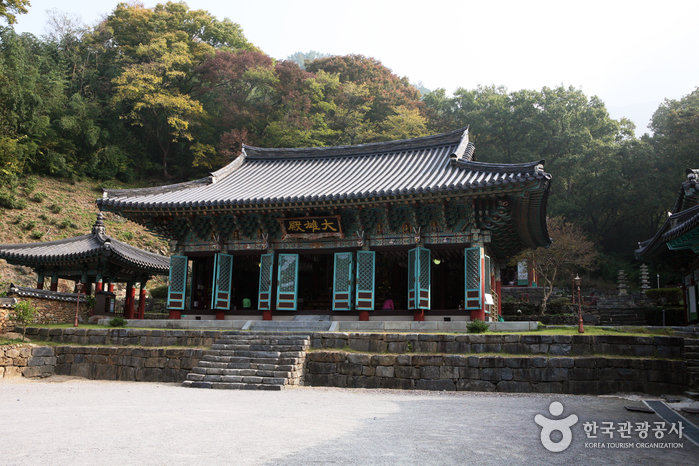
Gwangju Jeungsimsa Temple (증심사(광주))
11.8Km 2021-11-09
177, Jeungsimsa-gil, Dong-gu, Gwangju
+82-62-226-0108
Located on the western foothills of Mudeungsan Mountain, Jeungsimsa Temple is a representative temple of Gwangju. First founded by Buddhist monk Cheolgamseonsa Do Yun in 517 (Silla Kingdom), the temple was remodeled by Buddhist monk Hyesoguksa in 1094 (Goryeo dynasty) and again by Kim Bang in 1443 (Joseon dynasty). The temple was burned down during the Imjin War and was reconstructed in 1609 by three Buddhist monks: Seokgyeong, Sujang, and Dogwang. It underwent several additional restorations before being destroyed again by fire during the Korean War. Most of the existing buildings, including Daeungjeon Halll (main temple building), were rebuilt in the 1970s.
Chungjangsa Shrine (충장사)
12.7Km 2023-01-25
13, Songgang-ro, Buk-gu, Gwangju
+82-62-613-5407
When you reach Baejae along the tourist road leading up to Wonhyosa Temple, you can see the well-maintained tomb and the magnificent building of Chungjangsa Shrine on the left. It was built in 1975 as a memorial to General Kim Deok-ryeong, born in Mudeungsan Mountain. In the precincts, there are the shrine, where Kim Deok-ryeong's portrait and command paper are enshrined; the east room and west room; Eullyun Monument and Commentary Monument, the relics hall; Chungyongmun Gate; and Ikomun Gate. In the relics hall, the clothes of 'General Kim Deok-ryeong,' designated as Important Folk Material, and the coffin excavated from the general's tomb, as well as his handwriting, are on display. On the hill behind the shrine is Kim Deok-ryeong's tomb and tombstone, as well as his family's tomb.
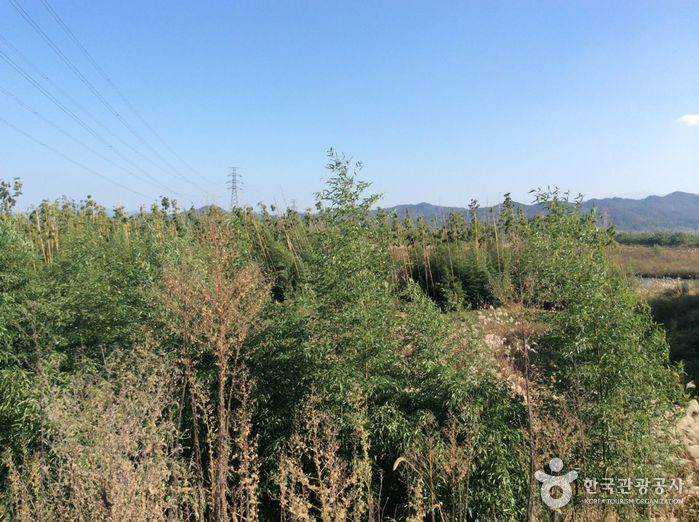
Damyang Bamboo Forest (Damyang Marsh) (담양대나무숲 - 담양습지)
12.7Km 2025-01-13
656-2, Taemok-ri, Daejeon-myeon, Damnyang-gun, Jeollanam-do
+82-61-380-3114
Situated between Damyang-gun and Gwangju Metropolitan City, Damyang Wetland is one of the best places to experience the ecology of Yeongsangang River. It is a habitat for the hawk, wildcat, Boreal digging frog (endangered species), and kestrel. It became the first river wetland to be designated as a wetland reserve in 2004.
 English
 한국어
한국어 日本語
日本語 中文(简体)
 Deutsch
 Français
 Español
 Русский


