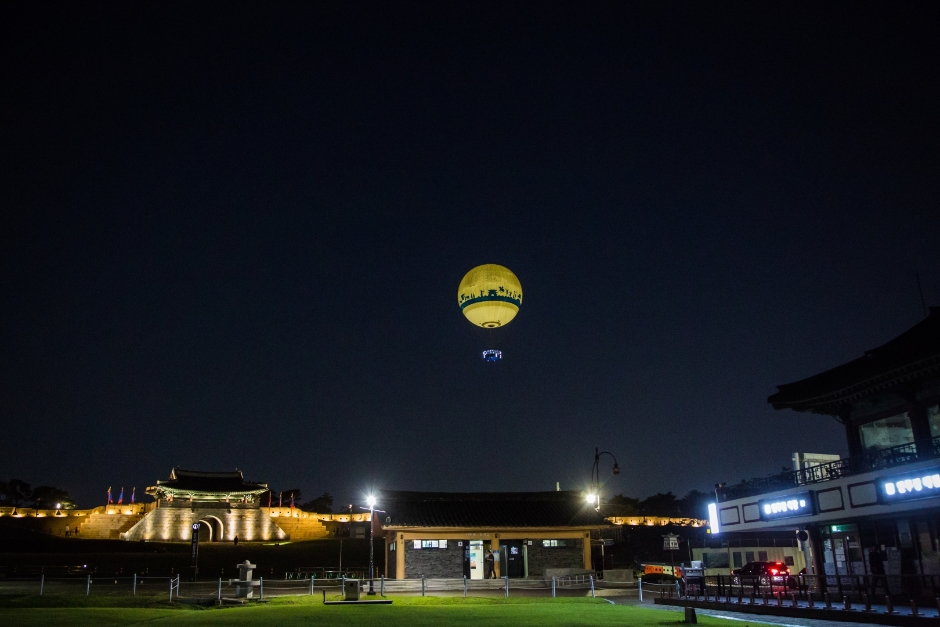
Flying Suwon (플라잉 수원)
17.0Km 2024-12-24
255-4 Ji-dong, Paldal-gu, Suwon-si, Gyeonggi-do
Flying Suwon is a unique moored helium ballon facility to view the entire Hwaseong Fortress from up to 150 m in the air. You can enjoy Hwaseong Fortress, which has new charms every season, right up against the sky. Create wonderful and special memories with your family, friends, or loved ones. The helium balloon can accommodate up to 30 people and is accompanied by a well-trained pilot to ensure passenger safety. In addition, its safety was proven by passing the European Aviation Safety Agency (EASA) regulations, receiving a safety certification from the French Department of Public Health, etc. Boarding time is approximately 10 minutes, including ascending, viewing, and descending.
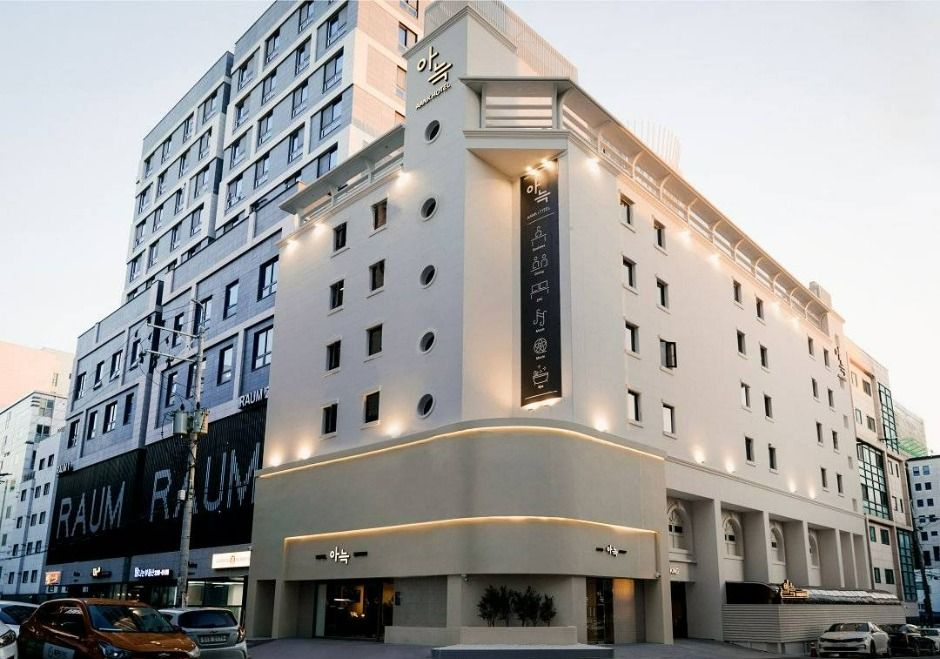
The Hyoosik Aank Hotel Suwon Ingye (더휴식 아늑호텔 수원 인계점)
17.4Km 2025-04-08
29 Ingye-ro 94beon-gil, Paldal-gu, Suwon-si, Gyeonggi-do
The Hyoosik Aank Hotel Suwon Ingye offers comfort and leisure with a variety of room types, such as a standard room, business room, business suite, gaming room, movie room, business twin bedroom, pet-friendly room, suite pool room, suite twin pool room, music room, and dining twin bedroom. The hotel also has a parking lot and a public lounge.
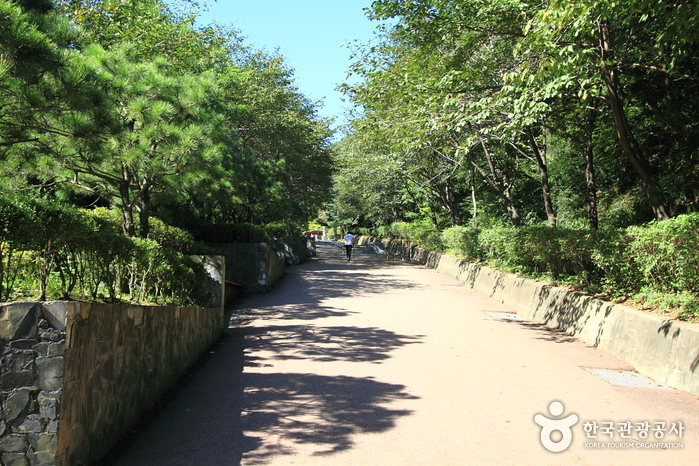
Soraesan Mountain (소래산)
17.6Km 2024-02-06
Daeya-dong, Sincheon-dong, Siheung-si, Gyeonggi-do
Soraesan Mountain, with an altitude of 299 meters, is situated between Siheung and Incheon. Its name "Sorae" originates from the area's old name, reflecting its rich heritage. The scenic mountain features a forest park, badminton courts, basketball courts, futsal fields, and various other amenities. Notably, midway up the mountain stands the striking Standing Rock-carved Bodhisattva, an impressive 15 meters tall. With numerous hiking trails, the summit of Soraesan Mountain offers breathtaking views of the Yellow Sea, Seoul, and Incheon.

Baegunhosu Lake (백운호수)
17.6Km 2023-09-05
526 , Baegun-ro, Uiwang-si, Gyeonggi-do
+82-31-240-4810
Baegunhosu Lake is an artificial lake that was completed in 1953. The lake is surrounded by mountains made up of Cheonggyesan Mountain in the northeast, Baegunsan Mountain in the southeast, and Moraksan Mountain in the west. The lake encompasses an area of 363,638 m². This lake was originally built to provide irrigation for nearby farmlands but it became a public recreational space due to its scenic landscape, fresh air, and spacious lot perfect for parking. Visitors to Beagunhosu Lake can enjoy music at a live cafe or water activities such as motor boating, as well as delicious foods from nearby restaurants.
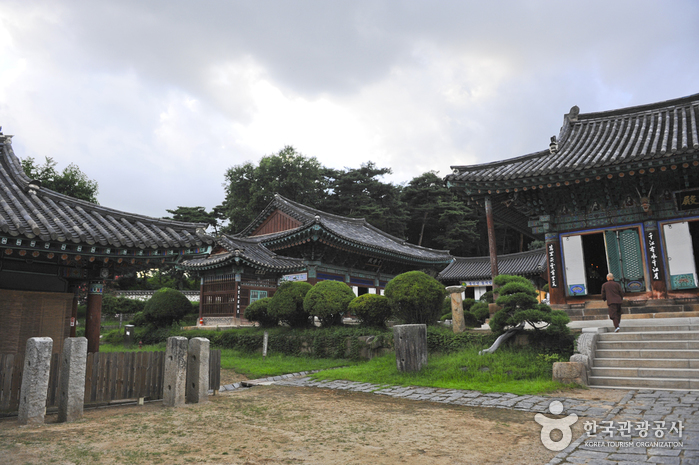
Hwaseong Yongjusa Temple (용주사(화성))
17.7Km 2021-12-21
136, Yongju-ro, Hwaseong-si, Gyeonggi-do
+82-31-234-0040
Yongjusa Temple is located near Yungneung and Geolleung Royal Tombs. This site was originally the location of Garyangsa Temple, which was constructed in 854, during the 16th year of King Munseong of the Silla Kingdom. The temple was very famous as it was surrounded by beautiful mountains and crystal clear waters. However, the temple was destroyed by fire during the Manchu War of 1636.
During the Joseon dynasty, King Jeongjo moved the tomb of his father to this spot, and built Yongjusa Temple here to pray for the repose of his father’s soul. It is said that one night before the temple was completed, King Jeongjo dreamt of a dragon ascending to the sky holding a magic ball in its mouth. He therefore named the temple “Yongjusa,” which means the temple of a dragon with a magic ball in Korean.
The courtyard of the temple contains the Bronze Bell of Yongjusa Temple, a National Treasure; a stone pagoda; Daeungbojeon (the main hall); and Cheonboru Pavilion. Visitors to Yongjusa Temple can also find the “Bumoeunjunggyeong” books, which were written by King Jeongjo on the subject of filial affection and respect for one’s parents. These days, Yongjusa Temple and the Yungneung and Geolleung Royal Tombs are highly valued for their cultural heritage.
Suwon Museum (수원박물관)
17.8Km 2025-05-22
265 Changnyong-daero, Yeongtong-gu, Suwon-si, Gyeonggi-do
+82-31-228-4150
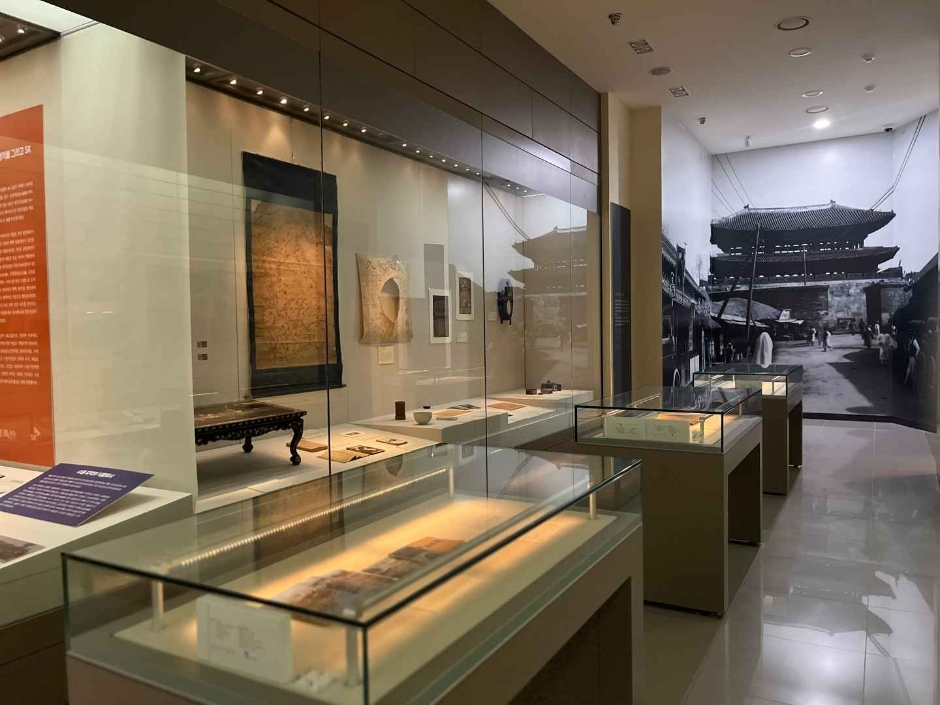
Locaed in Iui-dong, Yeongtong-gu, Suwon Museum has one basement floor and two above-ground floors, spanning over an area of 6,535 ㎡. Suwon Museum consists of two main exhibition halls, Suwon Museum of History and Calligraphy Museum of Korea, showcasing approximately 48,000 relics, and a planned exhibition hall for special occasions and exhibitions.
Suwon Museum of History recreates a scene of Yeongdong Market Street during the1960s. Children can learn and get secondhand experience of what Suwon was like in the past while adult visitors can reminisce the old times.
Calligraphy Museum of Korea is the first calligraphy museum built by a local government. The museum houses Korea's significant calligraphy works. The hall features a spacious area and its display cases are designed with cutting edge technology to highlight the relics on display. Exhibited collections include geumseokmun (metal writing), beopseo (calligraphic specimen of renowned artists of the past), works of renowned calligraphers during the Joseon dynasty, eopil (the writings of Kings), seogan (letters), works of renowned contemporary calligraphers, and more. Also, a planned exhibition hall holds exhibitions with specific themes every year. In addition, the museum offers educational programs for visitors as well as large scale calligraphy events for the general public.
Sammaksa Temple (삼막사)
17.9Km 2024-02-07
478 Sammak-ro, Manan-gu, Anyang-si, Gyeonggi-do,
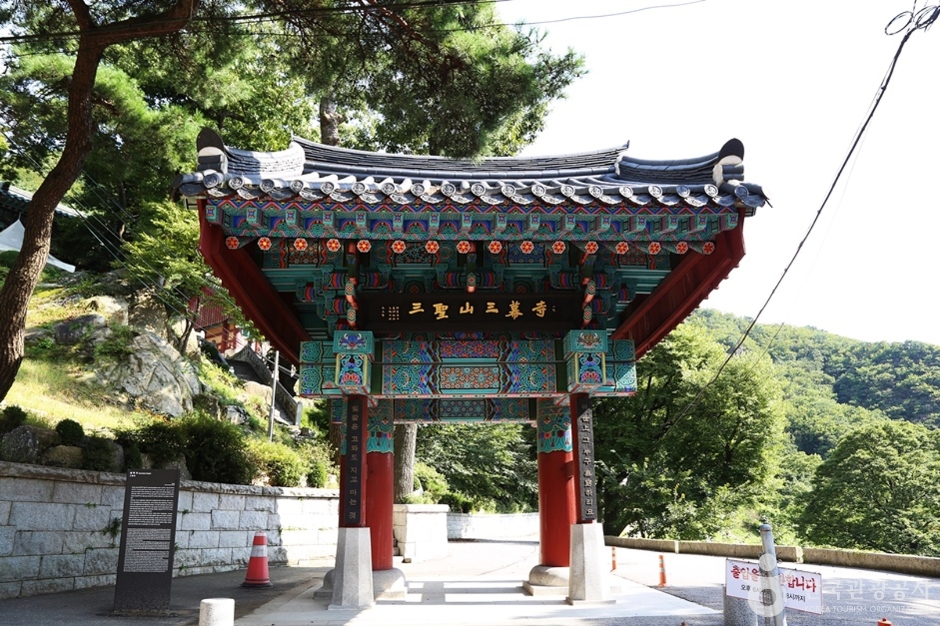
Sammaksa Temple is a Buddhist temple located in Samseongsan Mountain. Legend has it that the temple was established in 667 by Wonhyo, a Buddhist philosopher from the Silla era. Within the temple grounds are Cheonbuljeon Hall, Yukgwaneumjeon Hall, Myeongbujeon Hall, Manghaeru Pavilion, Chilbogak House, among others. The temple holds heritages like the Rock-carved Buddha Triad and the Fertility Stones. These artifacts, symbolizing the fusion of Buddhism and folk religion, highlights the ancient nature of the place.
Gureumsan Forest Park (Gureumsan Urban Forest Park) (구름산 산림욕장 (구름산 도시자연공원) )
17.9Km 2024-04-08
27 Ori-ro 619beon-gil, Gwangmyeong-si, Gyeonggi-do
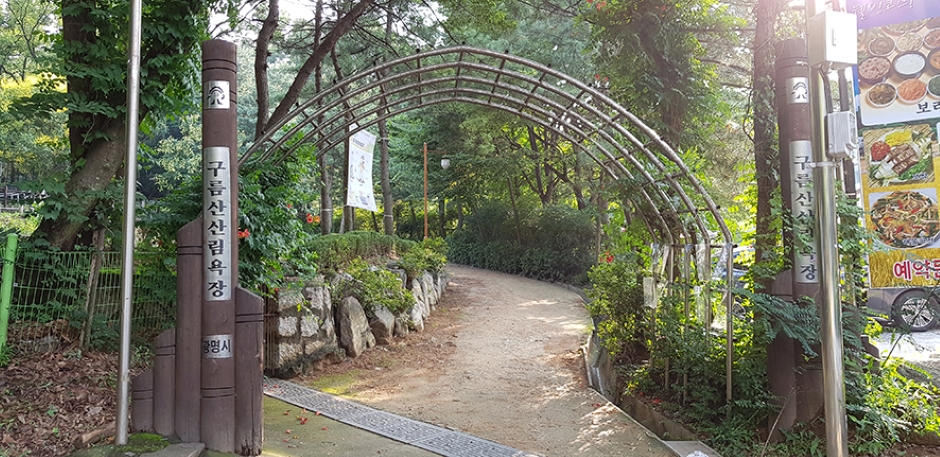
Gureumsan Forest Park is densely populated with trees that are 20 meters high. The forest park has a playground and wooden benches, and has the highest phytoncide concentration out of all the 13 forest parks in Gyeonggi-do. This hiking trail has been developed with 356 fir trees and an 184-meter red clay trail to provide citizens and tourists with a relaxing barefoot walking experience. Most of the forest paths in the park area are covered in wood chips, making it easier to walk.
Suwon World Cup Stadium (수원월드컵경기장)
17.9Km 2021-05-26
310, World cup-ro, Paldal-gu, Suwon-si, Gyeonggi-do
+82-31-202-2002
Suwon World Cup Stadium boasts a massive seating capacity of 43,959. The concept of its roof was inspired by the image of a bird in flight. It hosted World Cup matches during the 2002 FIFA World Cup Korea/Japan, and is home to Suwon FC.
Suwon Bongnyeongsa Temple (봉녕사 (수원))
18.0Km 2025-02-04
236-54 Changnyong-daero, Paldal-gu, Suwon-si, Gyeonggi-do
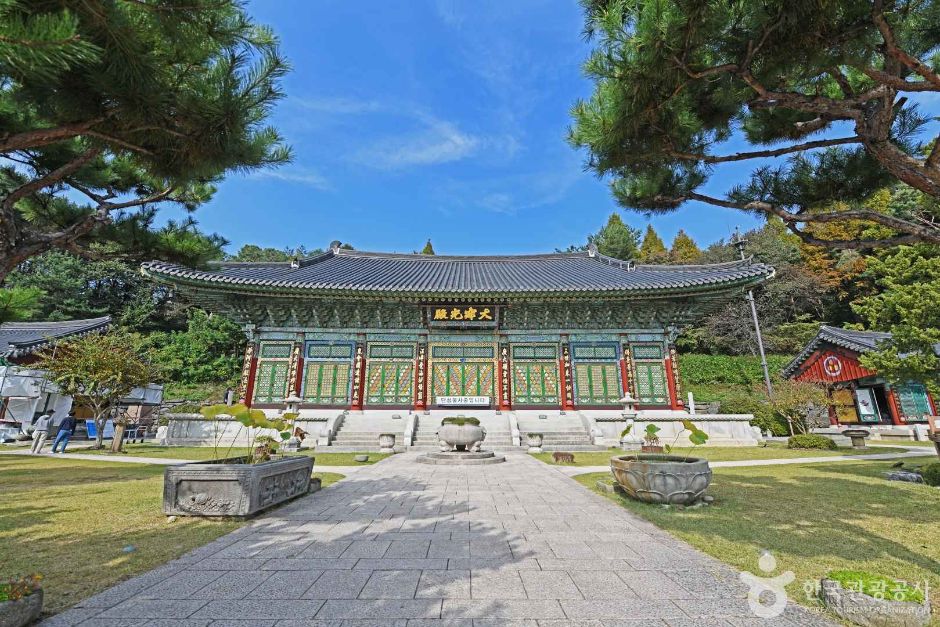
Bongnyeongsa Temple is located at the foothills of Gwanggyosan Mountain. It features various structures, including the main Buddha hall, meditation spaces for monks, and a bell pavilion housing ritual objects like a bell, wooden fish, cloud-shaped gong, and dharma drum. The temple is also home to an 800-year-old juniper tree. Visitors can enjoy tea at the resting space and explore the temple food education center. Templestay programs offer a chance to experience Buddhist culture through activities such as prayer, meditation, temple food making, and tea talks.
 English
 한국어
한국어 日本語
日本語 中文(简体)
 Deutsch
 Français
 Español
 Русский


