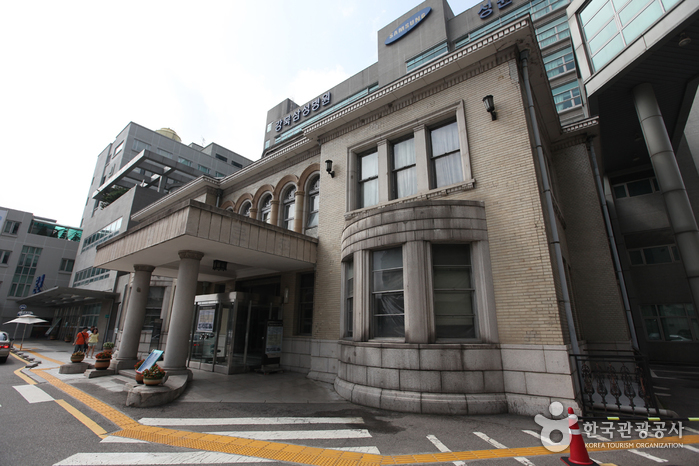
Seoul Gyeonggyojang House (서울 경교장)
19.5Km 2021-09-15
29, Saemunan-ro, Jongno-gu, Seoul
Gyeonggyojang House, a designated Historic Site, was the location of the provisional government and the place where Baekbeom Kim Koo passed away. Seoul reproduced the historical site, Gyeonggyojang House, to use the area as an educational site. Also, the house exhibits the history of the provisional government in order to see the history more clearly.
Restoration work included the demolition of the interior that was changed when the building was turned into a hospital facility and embassy after Kim Koo passed away in 1949. During the work, the remaining parts were maintained with the utmost care. Reconstructed parts were based on the building's floor plan written in Chosun and Architecture (8th edition in 1938). Visitors can see various contents related to the Korean Provisional Government history through relics, video, and information searching corners.
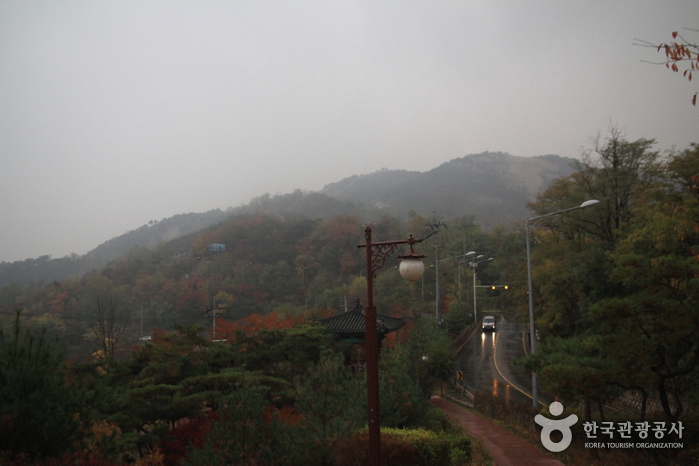
Inwangsan Mountain (인왕산)
19.5Km 2024-03-04
San 2-1, Muak-dong, Jongno-gu, Seoul
Inwangsan Mountain is a rocky mountain located to the northwestern side of Seoul. It stands 338m tall. The Seoul City Wall is built along its ridge, connecting to the Baegak Mountain Trail. From the summit, one can see the three mountains of Naksan Mountain, Namsan Mountain, and the Bugaksan Mountain surrounding the historical center of Hanyang, the historical name for Seoul in Joseon period, with the Gyeongbokgung Palace at the center. There are five hiking trails, all taking about two hours to complete. It takes about three hours if you want to visit all the peaks of the mountain.
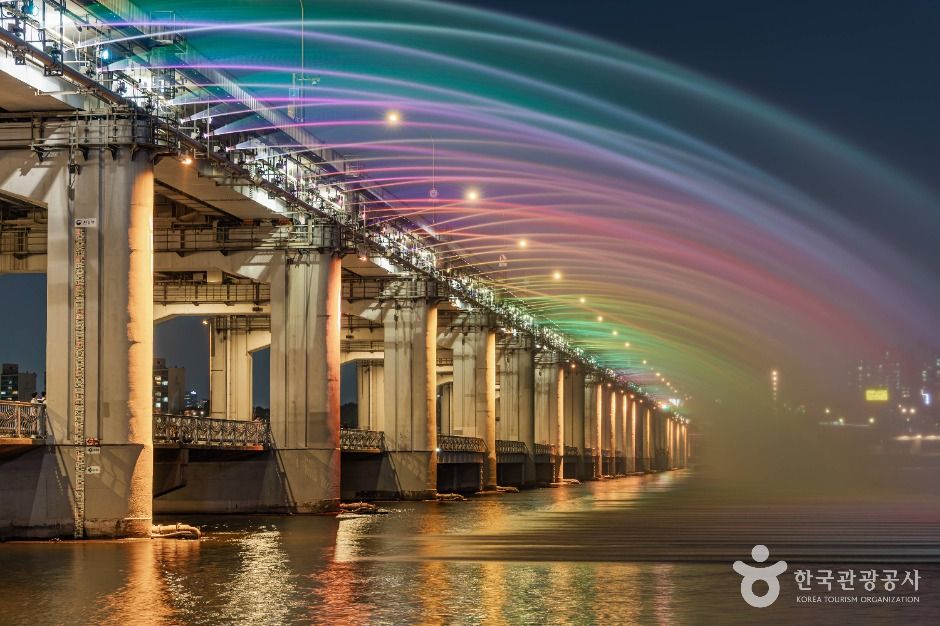
Banpo Bridge Rainbow Fountain (반포대교 달빛무지개분수)
19.5Km 2025-10-23
647 Banpo-dong, Seocho-gu, Seoul
The Rainbow Fountain plunges 20 meters into the water on both side of Banpo Bridge over the Hangang River. When the sun goes down, 200 lights illuminate the fountain as it sends out dancing, rainbow-colored jets of water in the air in synchronization with music. The fountain boasts spectacular views from the hills, the Hangang River observation deck, and the moon-shaped Moonlight Square. Banpo Bridge Rainbow Fountain operates every day from April to October, four to six times a day for 20 minutes.

Kangbuk Samsung Hospital (강북삼성병원)
19.6Km 2025-10-23
29 Saemunan-ro, Jongno-gu, Seoul
Established in 1968, Kangbuk Samsung Hospital has over 50 years of history and is taking a new leap forward with a vision for its centennial year.
Through partnerships with renowned institutions, such as Johns Hopkins Hospital in the United States and the BBDC in Canada, the hospital delivers advanced medical services while leading the public health arena. It is also committed to systematic research and the development of ICT-integrated digital healthcare, which will be the foundation for future medicine. With an excellent infrastructure that includes clinics and specialized centers (e.g., the Diabetes Center, Breast and Thyroid Cancer Center, Digestive Cancer Center, Musculoskeletal Disease Center, and Prostate Center), Kangbuk Samsung Hospital provides top-quality medical services focused on providing patients with satisfactory treatments.
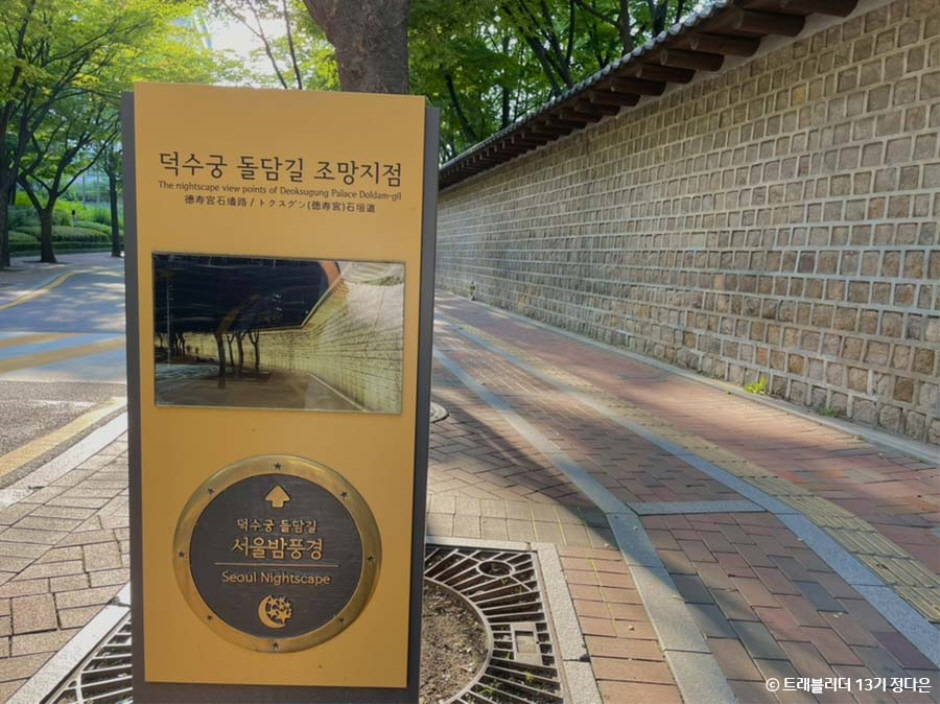
Jeongdong-gil Road (정동길)
19.6Km 2024-06-19
2-1 Jeongdong-gil, Jung-gu, Seoul
Jeongdong-gil Road is one of Seoul's most famous walking paths, stretching from the intersection in front of Jeongdong Church to Saemunan-gil Road. The street holds importance in Korea's modern history, with the surroundings serving as a living museum of this. During the Joseon dynasty, the area developed into a residental space for distant members of the royal family, with a palace and royal tombs in the area. In 1999, the pedestrian walking area was expanded by turning the two-way road into a one-way road. Since then, the road has earned many awards and honors.
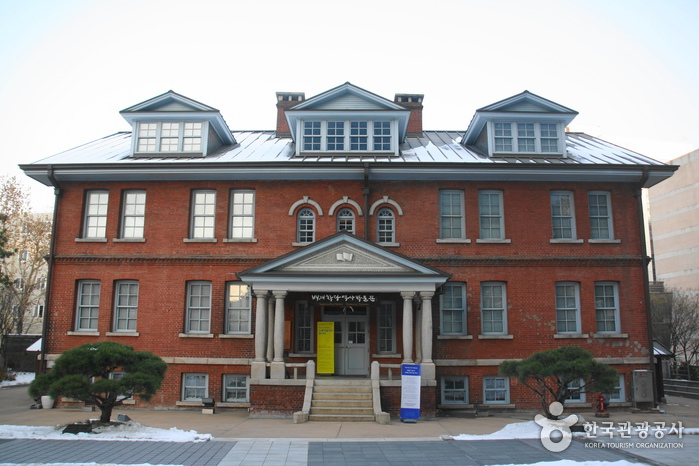
Appenzeller Noble Memorial Museum (배재학당 역사 박물관)
19.6Km 2022-10-14
19, Seosomun-ro 11-gil, Jung-gu, Seoul
The Appenzeller Noble Memorial Museum is dedicated to Henry Gerhart Appenzeller, the missionary who opened the first Western-style educational institution in Korea in 1885. The school started with English and core subjects, but expanded into the Pai Chai University, Pai Chai High School, and Pai Chai Middle School and has many famous alumni, including Rhee Syng-man. The memorial hall opened in 2008 in the east wing of the original school building, which was built in 1916 and designated as a Seoul Monument. With dynamically arranged permanent exhibitions, annual special exhibitions and special lectures, the museum offers a unique learning experience to visitors and people with an interest in the history of education in Korea.
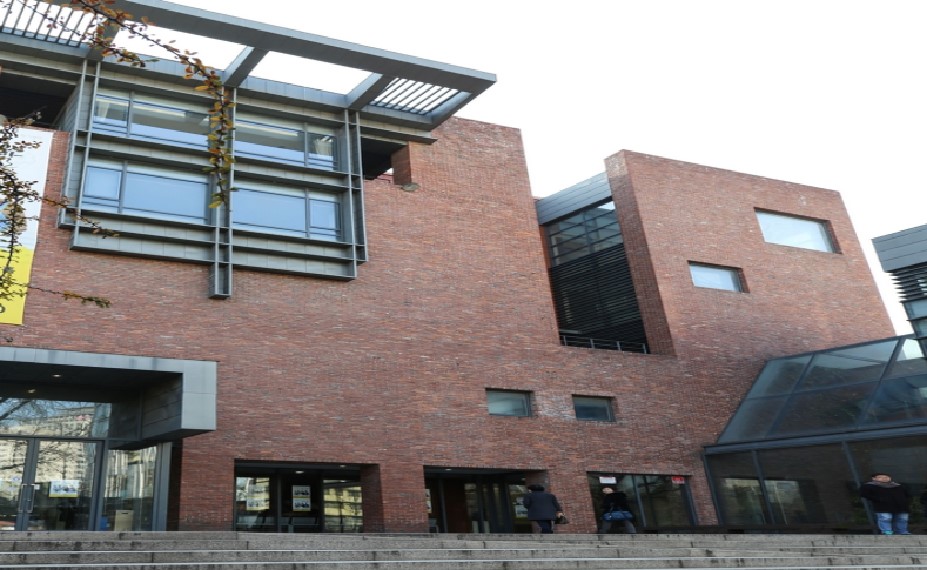
Ewha Centennial Hall (이화여고100주년기념관)
19.7Km 2024-02-20
26 Jeongdong-gil, Jung-gu, Seoul
Ewha Centennial Hall is a multimedia education center located next to Ewha Girls' High School. Spanning underground and five above-ground floors, it features a gallery, a cafe, music rooms, individual practice rooms, and audio-visual rooms. The Hwaham Hall on the first and second floors is utilized for performances such as musicals and concerts, as well as educational events.
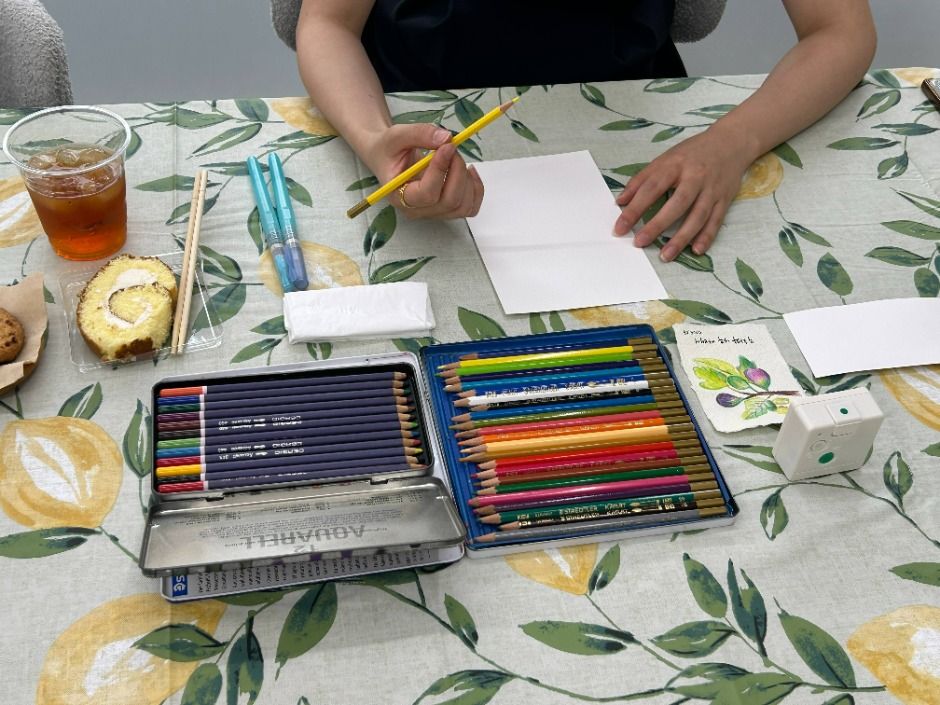
ARTEASPOON (아티스푼)
19.7Km 2025-10-23
7 Sinheung-ro 36-gil, Yongsan-gu, Seoul
ARTEASPOON operates cultural arts programs centered on paintings, music, and books. It also has a program related to exploring one's feelings and mind, and offers a special program for foreigners for learning Korean culture and art. Located in Huam-dong at the foothills of Namsan Mountain, it's an ideal place to immerse in art and inspirations.
Gyeonghuigung Palace (경희궁)
19.7Km 2024-07-09
45 Saemunan-ro, Jongno-gu, Seoul
Gyeonghuigung Palace, a designated Historic Site, was originally called the large palace by Saemun Gate, or the Western Palace, for its location within the city. It was not until the eighth year of Gwanghaegun (1616) that the palace was used as a royal residence for the king, changing the name to Gyeongdeokgung Palace. The name later changed again to the current Gyeonghuigung Palace in 1760. The palace grounds included many halls but they were mostly all burned down in a fire in 1829. After the Japanese occupation began, all remaining buildings on the site were torn down and the palace grounds were turned into Gyeongseong Middle School (now Seoul High School). The school moved to Gangnam area in 1987, afterwhich the previous location was turned into a park. The palace grounds currently hold Seoul Museum of Art and walking paths, as well as a restoration of Heunghwamun Gate, the main gate of the palace, and Sungjeongjeon Hall, the main hall, completed in November 1994.
Hangang Jungang Park (한강중앙공원)
19.7Km 2023-02-01
40, Chodang-ro, Gimpo-si, Gyeonggi-do
Hangang Jungang Park, a famous park in Janggi-dong that represents Gimpo New City, features a wildflower garden with the theme of native plants as well as a variety of spring flowers in Chohwawon Garden and a pleasant trail. Continuing from a vast grass plaza to Laveniche Waterside Park, this park is where the citizens of Gimpo New City can rest and relax. As you run along the Golden Waterway, you will be able to reach Laveniche, another pride of Gimpo with abundant things to eat, buy and enjoy. You can also take a leisurely walk, jog, or ride a bicycle.
 English
 한국어
한국어 日本語
日本語 中文(简体)
 Deutsch
 Français
 Español
 Русский


