
National Hangeul Museum (국립한글박물관)
18.7Km 2022-12-15
139, Seobinggo-ro, Yongsan-gu, Seoul
The National Hangeul Museum was established to preserve, spread, and develop the Korean alphabet, Hangeul. The museum showcases the history and value of Korean orthography, Korean’s most-valued cultural asset, through exhibitions, activities, and education. Occupying over 11,322 ㎡, the museum has one basement level and three ground levels, along with an outdoor grass field and rest area perfect for cultural events, exhibits, and education.
The museum is comprised of the Hangeul library on the first floor, a permanent exhibition hall, ㅎ Café, and cultural product shop on the second floor, and a planned exhibition hall and Hangeul playground for children and foreigners on the third floor.
National Museum of Korea (국립중앙박물관)
18.8Km 2025-11-21
137 Seobinggo-ro, Yongsan-gu, Seoul
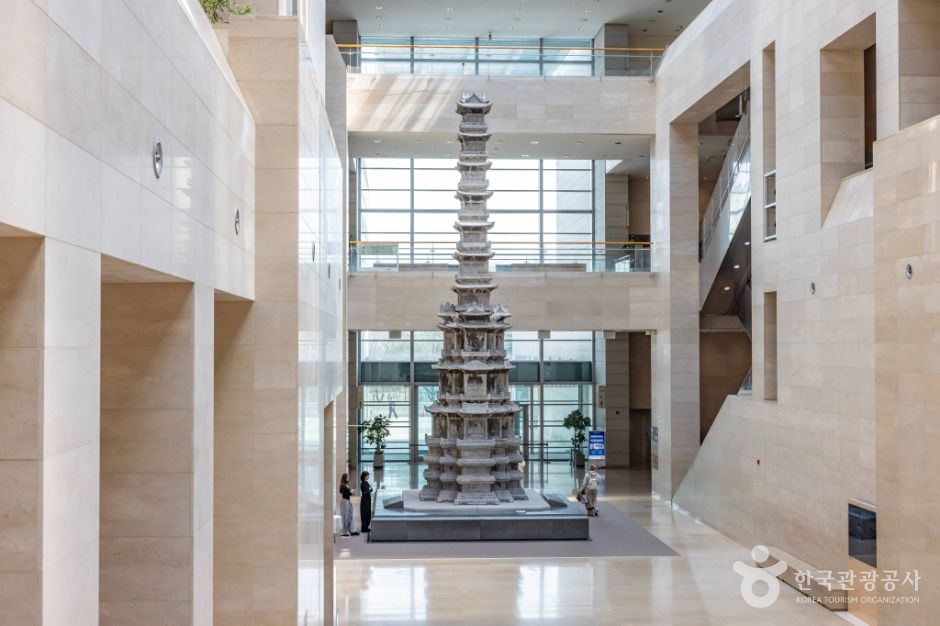
The National Museum of Korea houses a vast collection of artifacts from ancient times to the modern era in a wide range of topics, including art and culture. The museum houses a Children's Museum, where visitors can learn more about the nation's history through educational programs and experiences. The outdoor grounds feature pagodas and other stone artworks too large to be on display inside.
In addition to galleries with a wide array of national and international pieces, the National Museum of Korea is a stage for a number of cultural activities related to collection, preservation, research and analysis, social training, academic publications, intercultural exchange programs, concerts, and more.
Childrens Museum of the National Museum of Korea (국립중앙박물관 어린이박물관)
18.8Km 2021-09-15
137, Seobinggo-ro, Yongsan-gu, Seoul
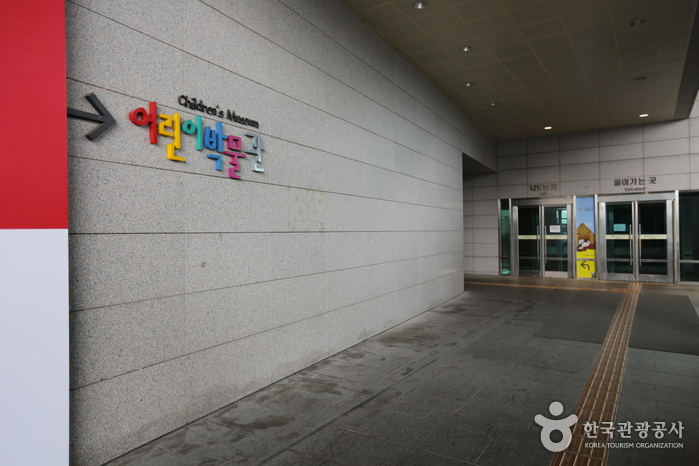
The Children’s Museum of the National Museum of Korea is an experience-oriented museum where children can see, touch, and feel history through hands-on programs and games. The permanent exhibition hall displays replicas of historical items so children can learn about Korea’s cultural heritage in a fun and interactive way. Children can also experience the lifestyle and wisdom of the past through experience programs.
Surisan Provincial Park (수리산도립공원)
18.8Km 2025-01-08
347-4, Sokdal-ro, Gunpo-si, Gyeonggi-do
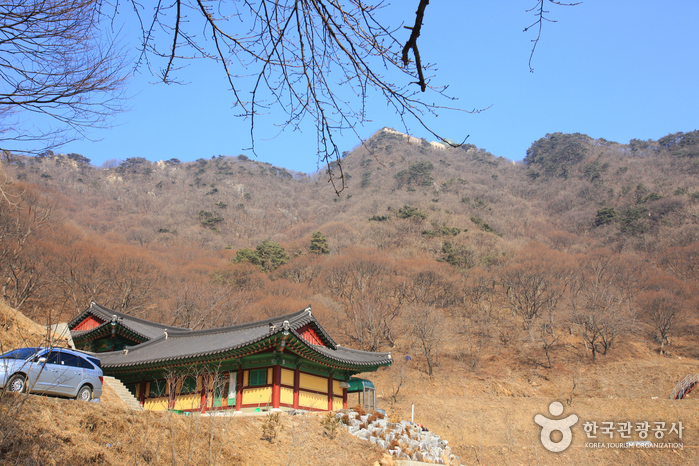
Surisan Mountain, a provincial park of Gyeonggi-do, surrounds Gunpo and is also easily accessible from Anyang and Ansan. Surisan Mountain is said to be named because there is a rock in the shape of an eagle. Another legend says it is named after the nearby Surisa Temple.
Surisan Mountain is part of the Gwangju Mountain Range along with Cheonggyesan, Gwanggyosan, Gwanaksan, and Baekunsan mountains. The mountain has four peaks and the highest is Taeulbong Peak (489 m).
Grand old trees that range from 100 to 300 years old make for picturesque scenery. The mountain also won first place in the 2002 Beautiful Forest contest hosted by the Korea Forest Service.
Ansan Arts Center (안산문화예술의전당)
18.9Km 2021-07-08
312, Hwarang-ro, Danwon-gu, Ansan-si, Gyeonggi-do
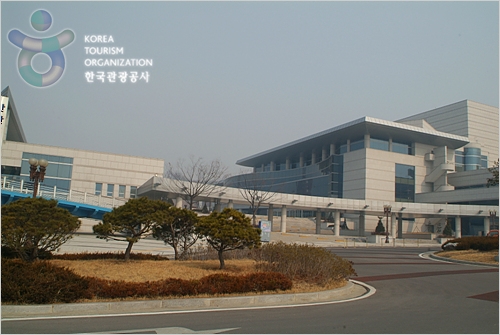
The Ansan Arts Center officially opened on October 2, 2004, following its success at the Ansan Yeormio Festival and Harmony Festival. The center boasts state-of-the-art stage facilities capable of holding any type of production orchestrated by Korean and international theater directors.
Korea University Ansan Hospital (고려대학교 의과대학 부속 안산병원)
18.9Km 2025-10-23
123 Jeokgeum-ro, Danwon-gu, Ansan-si, Gyeonggi-do
We provide the highest quality medical services with world-class medical staff and state-of-the-art equipment, always putting ourselves in the patients’ shoes as a patient-centered hospital.
Seodaemun Prison History Museum (서대문형무소역사관)
18.9Km 2024-12-02
251 Tongil-ro, Seodaemun-gu, Seoul
Seodaemun Prison was built under the Japanese administration to imprison independence movement activists. It first opened on October 21, 1908 under the name Gyeongseong Prison. Eventually, so many activists were imprisoned that the building had to be expanded. At that time, the name changed to Seodaemun Prison on September 3, 1912. Eighty years later, the prison was turned into Seodaemun Independence Park on August 15, 1992 to commemorate the Korean patriots who were tortured in prison, giving their lives for freedom. Of the many buildings, only seven were preserved for their historical significance, among which three prison buildings and the execution site were designated as a Historic Site. In 1998, the park underwent another transformation into today's Seodaemun Prison History Hall to educate the public on the importance of Korea's independence and the sacrifices of those who fought to achieve it.
National Memorial of Korean Provisional Government (국립대한민국임시정부기념관)
18.9Km 2023-01-16
279-24, Tongil-ro, Seodaemun-gu, Seoul
The National Memorial of Korean Provisional Government was established to shine a light on the proud history of the Korean Provisional Government's independence and the spirit of a democratic republic and to pass it on to future generations. The four-story memorial building with three underground floors houses three permanent exhibits, one special exhibit, Larchiveum, Symbol Plaza, storage, multi-purpose hall, and rooftop garden over a total area of 3,656 square meters, a total floor area of 9,703 square meters and a total exhibition space of 2,240 square meters. The permanent exhibits consist of a series of historic events from the March 1st Movement, which served as a turning point for the formation of the Provisional Government, to the foundation of the Korean Government that succeeded the mantle of the provisional government, while the special exhibit on the 1st floor currently hosts a special opening exhibition under the title of 『The Return of the Provisional Government of the Republic of Korea』. Moreover, a symbolic wall installation under the theme of "Waves of History" is displayed in the outdoor plaza on the 1st floor of the memorial expressing the Provisional Government’s desire for independence and the dynamics of the past, present, and future of Korea.
Gwacheon Wildflower Nature Learning Center (과천야생화자연학습장)
18.9Km 2023-07-17
118, Gyoyugwon-ro, Gwacheon-si, Gyeonggi-do
Gwacheon Wildflower Nature Learning Center was opened to provide a place to learn about nature and harmony. The area is 6,900㎡ and has approximately 112 species of wildflowers. The learning center is divided into sections according to the type and use of wildflowers. The learning center also houses a traditional tightrope walking education center. Korean tightrope walking is registered as a UNESCO Intangible Cultural Heritage of Humanity. The site offers an educational tightrope walking experience program for those interested.
Dongnimmun Gate (독립문)
18.9Km 2022-12-15
251, Tongil-ro, Seodaemun-gu, Seoul
Dongnimmun stands at the location originally known as Yeongeun, where envoys were once treated. When a Chinese envoy visited, the King would go out through this door to greet. In 1898, to announce the independence from Japan, Dongnimun was constructed with the fund collected by the citizens. The traces of the past still remain on Dongnimmun with two pillars in front of Dongnimmun being the remains of Yeongeunmun.
The Arc de Triomphe in France can be recalled in comparison to Dongnimmun. Dongnimmun was built using granite with a passageway x_height of 14.28 meters. On the top it is written ‘Dongnimmun’ in Korean with the national flag drawn on each side. On the inner-left side there are stone stairs leading to the attic. The national flower Mugunghwa are planted around Dongnimmun. Now it is surrounded by roads and it is eye-catching to view when passing by.
 English
 한국어
한국어 日本語
日本語 中文(简体)
 Deutsch
 Français
 Español
 Русский


