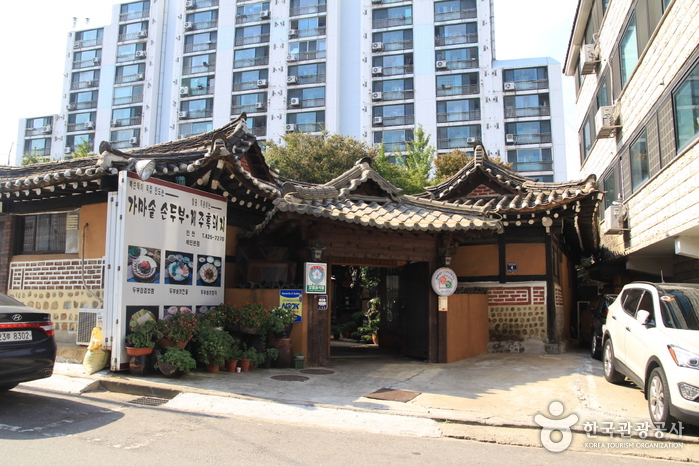
Gamasot Sondubu (가마솥손두부)
9.8Km 2024-10-15
4 Soseong-ro 326beon-gil, Michuhol-gu, Incheon
Gamasot Sondubu, located in Munhak-dong, Incheon, is a restaurant that focuses on naturalistic wellness through its specialization in bean curd dishes. Emphasizing the use of pure, domestic soybeans and deep sea water sourced from the East Sea at dawn each day, this establishment is committed to providing high-quality, nutritious meals. The signature offering, dubujip jeongsik (bean curd set menu), presents a health-conscious dining experience with a selection of light, handmade bean curd dishes, catering to those seeking a wholesome and satisfying meal.

Sweet Park (Lotte Children's Food Experience Center) (스위트파크(롯데어린이식품체험관))
9.9Km 2024-02-15
201 Magokjungang-ro, Gangseo-gu, Seoul
Sweet Park is a children's food experience center, an educational and entertainment space featuring Lotte's food products. The park is designed as a village themed around Lotte's food items. It offers various tour programs such as Hot Air Balloon Theater, Sweet Park Tours, Lotte R&D Center Experience Zone, and Xylitol Dental Health Education Zone.
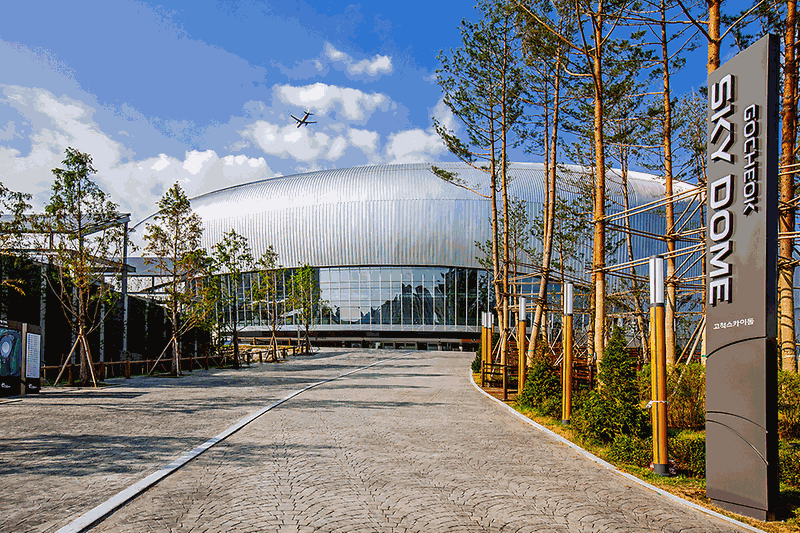
Gocheok Sky Dome (고척 스카이돔)
10.0Km 2023-09-05
430 , Gyeongin-ro, Guro-gu, Seoul
Gocheok Sky Some is the first dome-type baseball stadium to be built in Korea. Since its establishment in 2015, the stadium has been used as a venue for diverse events, including baseball games, athletic sports, performances, concerts, and more. The stadium consists of two basement floors and four above-ground floors with 16,783 seats. Gocheok Sky Dome serves as a cultural facility for the public that can host events regardless of season and weather. A baseball-themed street is connected to the dome for baseball fans. Several other sports-related facilities and retailers are also available.
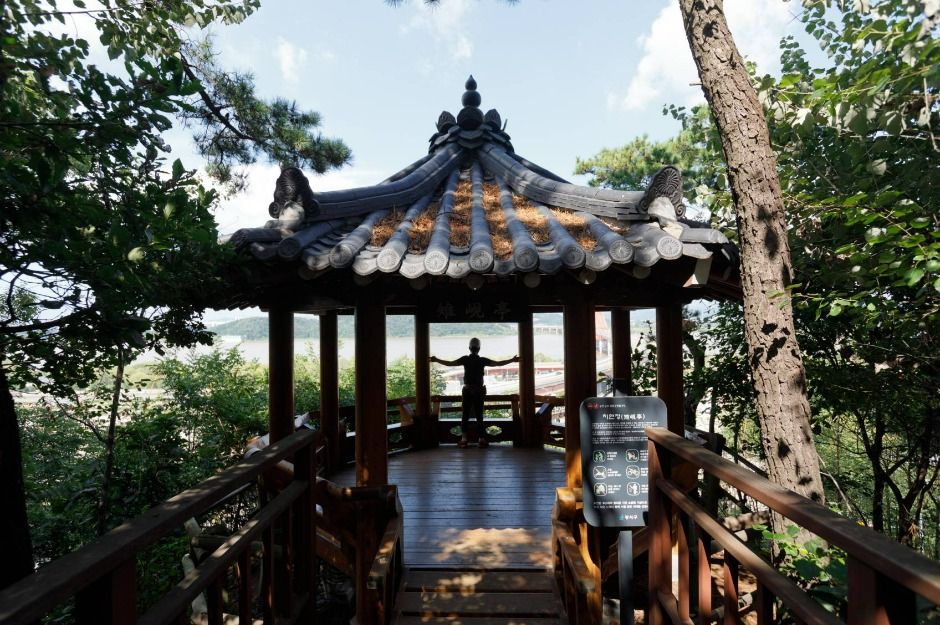
Kkwonggogae Park (꿩고개공원)
10.0Km 2025-10-23
San 100beonji, Banghwa-dong, Gangseo-gu, Seoul
Kkwonggogae Park is an ecological forest where nature is preserved, located along the Hangang River, and has an excellent natural environment. Whereas the nearby Banghwa Community Park was founded for public service, Kkwonggogae Park was founded to preserve the existing habitats and ecosystems while serving as a passageway for small animals. Within the park is Chihyeonjeong Pavilion, Gangseo area's representative attraction for taking in the city nightscape. The hill's name, which can literally be translated as "Pheasant Hill Park," comes from the fact that this hill was a frequent pheasant hunting spot in the past. The park is located near Gagseo Dulle Trail Course No. 2.
Dodeoksan Suspension Bridge (도덕산 출렁다리)
10.2Km 2025-11-06
317-80 Gwangmyeong-dong, Gwangmyeong-si, Gyeonggi-do
Dodeoksan Suspension Bridge is located in Dodeoksan Park, which serves as a resting place and a light hiking course for citizens of Gwangmyeong. Dodeoksan Park has a well-maintained wooden walkway, and the slope is not too steep, so anyone can walk safely there. It is about 400 meters from Dodeoksan Park parking lot to Dodeoksan Suspension Bridge, allowing one to reach the bridge at a leisurely pace on foot. The bridge is in a Y-shape and 82 meters long in total and has an artificial waterfall under the midpoint of the bridge, giving a thrilling yet refreshing experience.
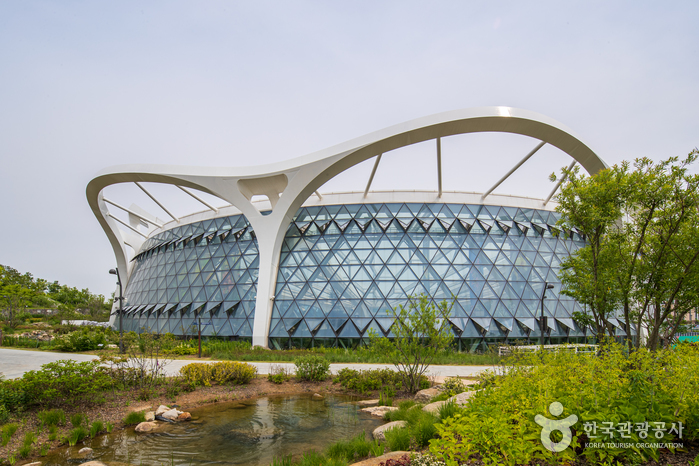
Seoul Botanic Park (서울식물원)
10.2Km 2025-06-18
161 Magokdong-ro, Gangseo-gu, Seoul
The Seoul Botanical Garden was created in Magok, the last remaining development site in Seoul, to introduce native plants and horticulture of 12 different cities from around the world and raise ecological awareness in the city. Seoul Botanic Park integrates a botanical garden and a public park, and the area is the size of 70 soccer fields. It serves as a bridgehead and lifelong education institution with the aim of spreading urban garden culture while staying true to its original role as a plant research conservation institution through expanding endangered wild plant habitats, researching the proliferation of species, and developing varieties. The botanical garden is divided into four spaces: Open Forest, Themed Garden, Lake Garden, and Wetland Garden. The main highlight is the Themed Garden that comprises the Botanic Center, Mogok Cultural Hall, and an outdoor themed garden.
Bumin Hospital Seoul (서울부민병원)
10.3Km 2025-10-23
1st Floor, International Healthcare Center, 389 Gonghang-daero, Gangseo-gu, Seoul
Seoul Bumin Hospital, a 300-bed general hospital that opened in April 2011, is a leader in medical culture with its exceptional medical staff, diagnostic equipment, and eco-friendly hospital practices. In particular, the Spine and Joint Center's medical staff, with their huge experience and expertise, provide Korea's highest level of medical services, including 3D navigation-assisted knee and hip surgery, stem cell therapy, robotic joint replacement surgery, hip endoscopic surgery, spinal deformity surgery, minimally invasive spinal surgery, and non-surgical treatments.
Samdae Incheon Gejang (삼대인천게장)
10.3Km 2025-10-31
22 Geumgok-ro 81beon-gil, Dong-gu, Incheon
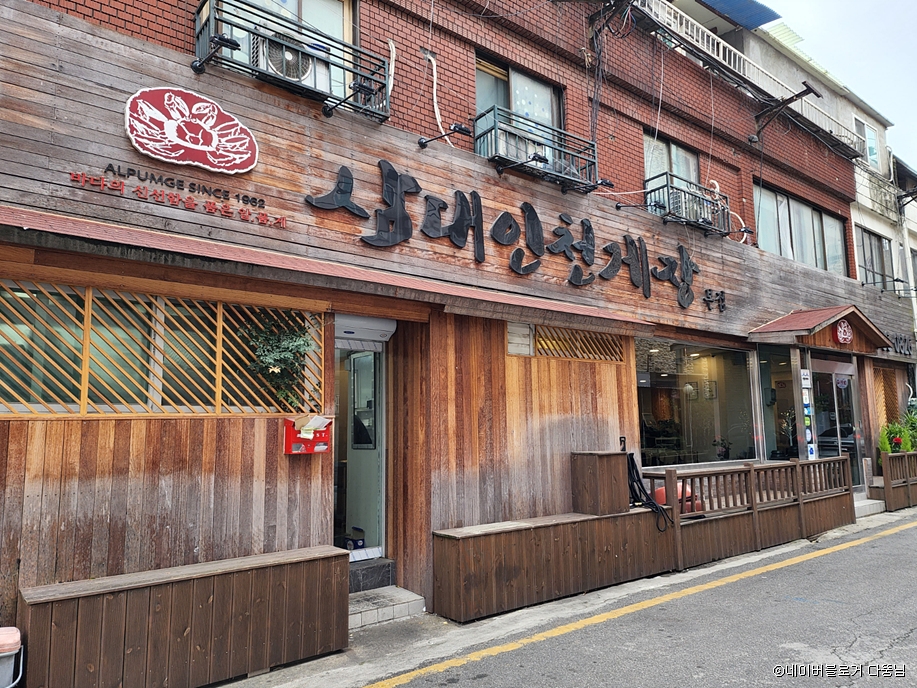
Established in 1962, this restaurant has been serving gejang for nearly sixty years and is now in its third generation (“sam-dae“) of family ownership. It uses blue crabs from Yeonpyeongdo Island and traditionally crafted and aged soy sauce. The restaurant employs a low-sodium method in its ganjang gejang (soy sauce marinated crab), highlighting the dish’s savory flavors.
Gangseo Marsh Ecological Park (강서습지생태공원)
10.6Km 2021-06-22
279-23, Yangcheon-ro 27-gil, Gangseo-gu, Seoul
+82-2-3780-0621
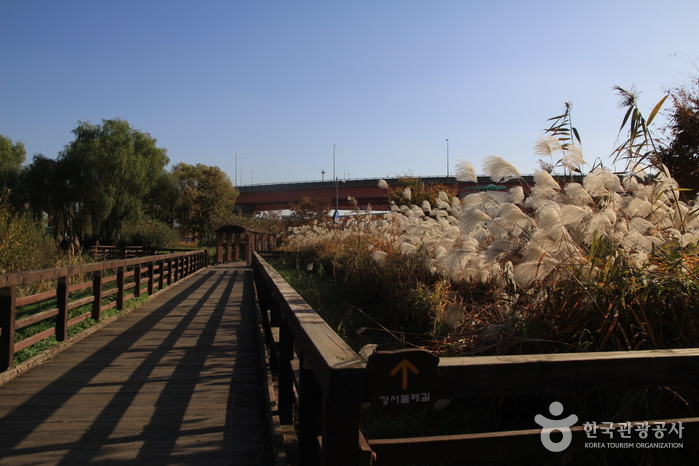
The Gangseo Marsh Ecological Park is an eco-park located on the Hangang River between the southern side of Banghwadaegyo Bridge and southern side of Haengjudaegyo Bridge. Established in July 2007, the park is partly comprised of low wetlands, freshwater lakes, and various aquatic plants. Eco-trails wind around the park through reed areas, around willow trees, and past the migratory bird observation. At the park, visitors can watch and learn about a variety of migratory birds during summer and winter or join one of the park’s organized eco-education programs.
Nokcheongja Museum (녹청자박물관)
10.6Km 2021-10-23
54, Doyoji-ro, Seo-gu, Incheon
+82-32-563-4341
Since opening in 2002, the Nokcheongja Museum has been preserving and exhibiting academic materials about the Green Celadon Kiln Site, a Historic Site designated in 1970. It is the only museum dedicated to celadons in Incheon. The museum is divided into the History Exhibition Hall where visitors can observe the celadon making process and the Special Exhibition Hall that displays modern-day celadons. In addition to the two indoor exhibition halls, the museum also has an outdoor exhibition site with a collection of approximately 200 donated potteries, ranging from traditional to recently trending designs.
 English
 한국어
한국어 日本語
日本語 中文(简体)
 Deutsch
 Français
 Español
 Русский


