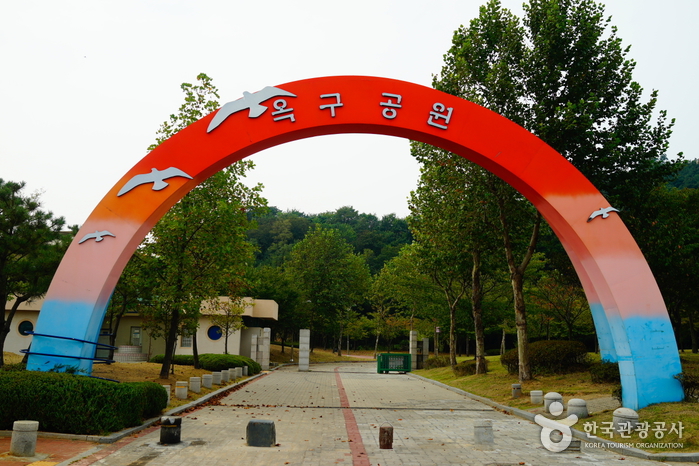
Okgu Park (옥구공원)
10.4Km 2024-02-21
277 Seohaean-ro, Siheung-si, Gyeonggi-do
Okgu Park, situated near Oido Island and elevated at 93 meters, boasts a picturesque landscape adorned with sculptures, making it an ideal location for photography enthusiasts. The park features multiple attractions including a concert hall, a fountain square, and a captivating rose garden. In autumn, visitors can relish the beauty of the silver grass hill. Upon reaching the park's summit, breathtaking views of the sea await. Additionally, during the summer months, a water playground offers refreshing entertainment for visitors.
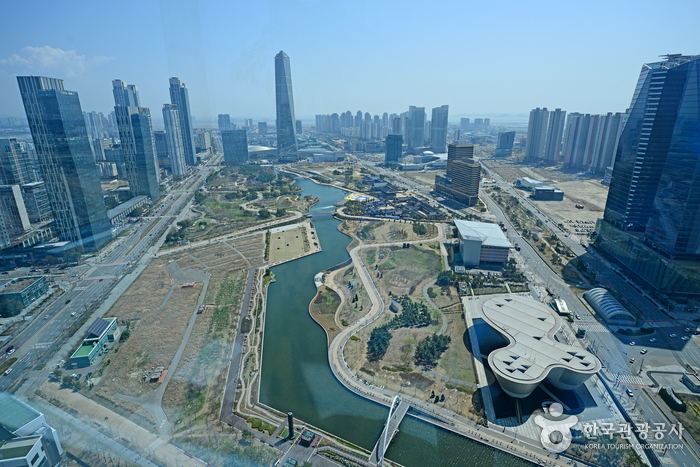
Songdo Central Park (송도 센트럴파크)
10.4Km 2025-10-23
160 Convensia-daero, Yeonsu-gu, Incheon
Songdo is a man-made island that presents a futuristic image with buildings that can be considered works of art. Located within this glittering city is Songdo Central Park, the first seawater park in the nation. The park provides visitors with various water activities including a water taxi, canoeing, and more. Visitors can also enjoy culture and arts throughout the park. At night, the Sonhwajeong Pavilion and the moon above seen from the walking trail create a picturesque scene.
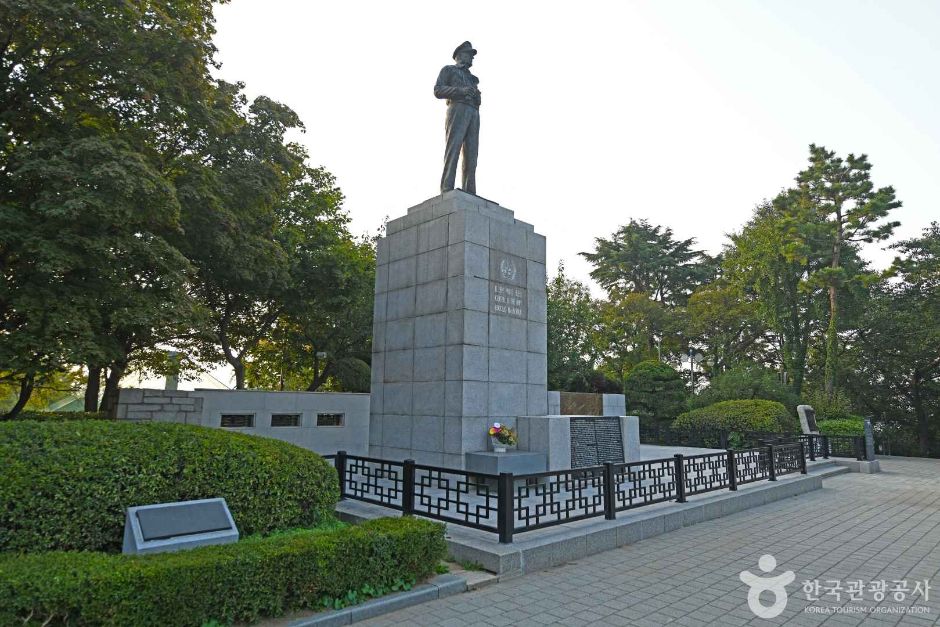
Incheon Jayu Park (자유공원 (인천))
10.4Km 2024-12-27
46 Jemullyang-ro 232beon-gil, Jung-gu, Incheon
Jayu Park is the first Western-style park in Korea, built five years after the opening of Incheon Port. The location is perfect for a nice stroll as it is located high above sea level with spacious areas and a thick forest. At top of the park is the Korea-U.S.A. Centennial Monument built in 1982 to commemorate the 100th anniversary of the treaty of peace, commerce and navigation between Korean and the US. Within the park, visitors can enjoy a small zoo, a pagoda, benches and other rest areas. A statue of General MacArthur stands in the park as a memorial of the general's feat of Operation Chromite during the Korean War. Every April, a cherry blossom festival is held as the cherry blossoms fill the park, attracting many visitors. The panoramic view of the city is breathtaking with nightscape especially popular for couples. There are many attractions nearby for visitors to enjoy food and history.
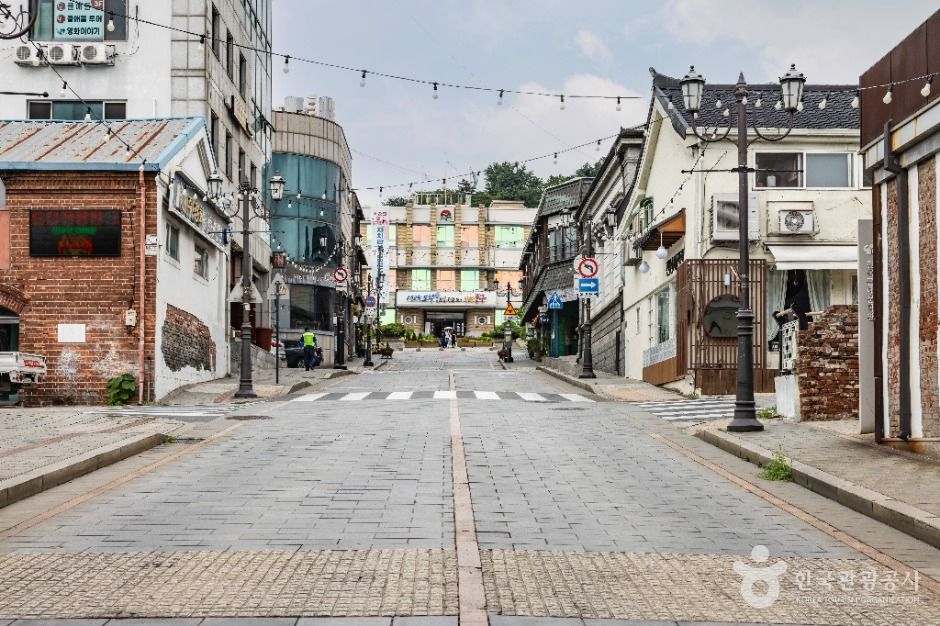
Gaehangjang (Open Port Area) Street (개항장 거리)
10.4Km 2025-10-23
27 Jemullyang-ro 232beonan-gil, Jung-gu, Incheon
As the Incheon Port was opened in 1883, this is where one could feel the rich history and culture accumulated over 126 years. Formerly used by the Japanese consulate, the Jung-gu Office, the Incheon branch of Japan's 1st, 18th and 58th Bank and other modern historical architecture can be found intact here. Other historical remains like Former Japan Mail and Shipping Inc., Incheon Art Platform, Jemulpo Gurakbu, and more are also available for visitors to see at the Incheon Gaehangjang (Open Port Area). For those who are interested in learning more, a guided tour by an Incheon cultural tourism expert is available upon reservation.
Songdo Dog Park (송도 도그파크)
10.4Km 2024-10-29
350 Central-ro, Yeonsu-gu, Incheon
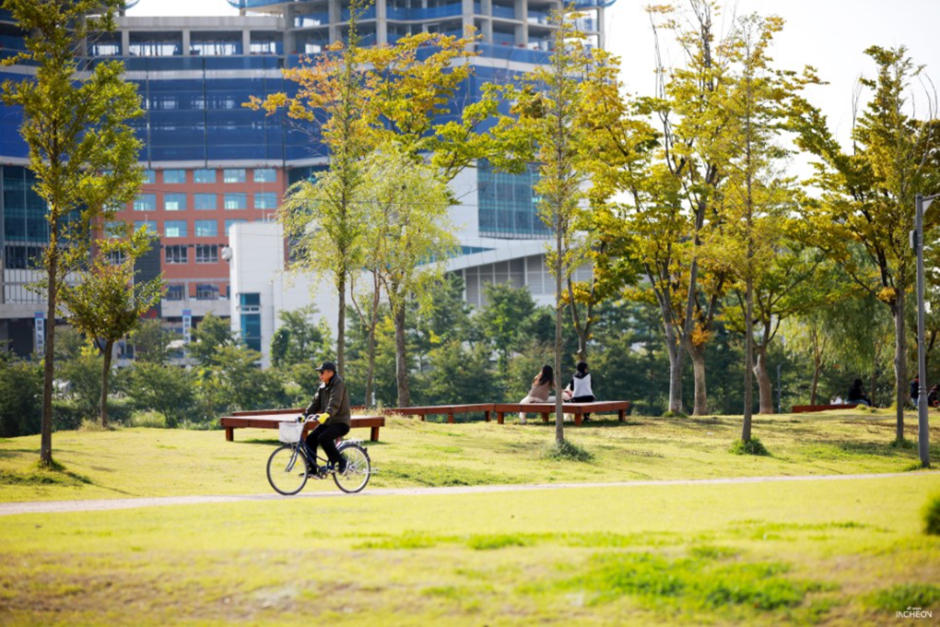
Songdo Dog Park, located within Songdo-dong Dalbit Festival Park, is a free pet playground open to all pets who are up-to-date on their vaccinations and are microchipped. Owers of pets that are not microchipped must have their pet registration paperwork on hand to enter. The park is divided into three sections based on dog size for safety.
Incheon Japanese Street (인천일본풍거리)
10.5Km 2024-02-16
Gwandong 1(il)-ga, Jung-gu, Incheon
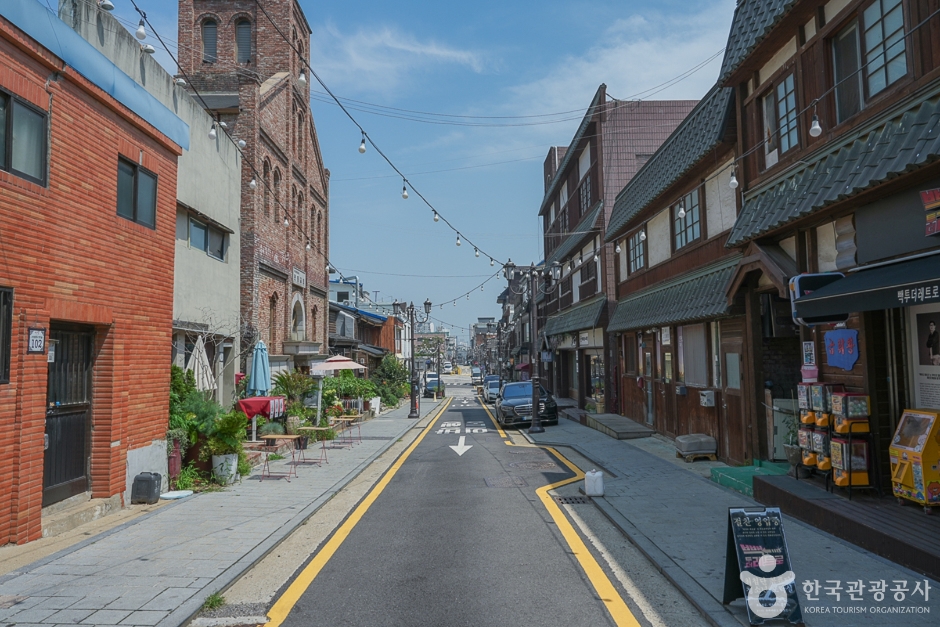
Incheon Japanese Street, established following the opening of Incheon and Jemulpo Ports in 1883, was home to the Japanese concession. It preserves several Japanese-style wooden houses and stone structures from that era. These wooden houses, designed in the distinctive style of Japanese architecture where a storefront is integrated into the residential building, have been renovated and are now serving as cafés and exhibition halls. Nearby, visitors can also explore Incheon Chinatown and the Gaehangjang (Open Port Area) Street.
Incheon Art Platform (인천 아트플랫폼)
10.5Km 2025-10-23
3 Jemullyang-ro 218beon-gil, Jung-gu, Incheon
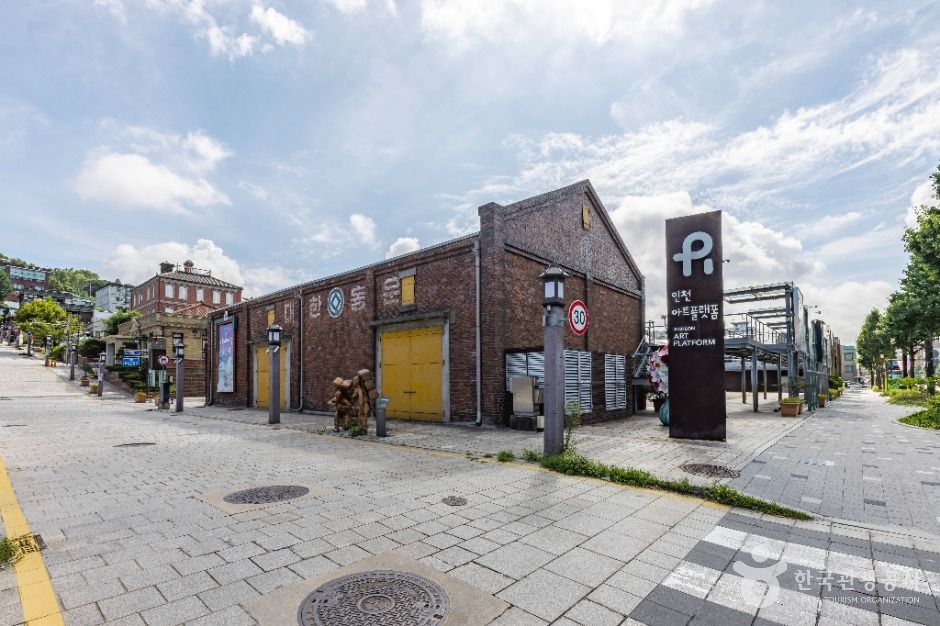
Incheon Art Platform, located in Haean-dong, Incheon, is known for its well-preserved architectural heritage and buildings that showcase a blend of traditional and modern architecture. The complex was established by remodeling structures built in the 1930s and 1940s. Centered around its residency program, it offers exhibitions, performances, and educational programs, and plays a significant role in promoting the free exchange of art and culture. By providing creative spaces for artists and venues for cultural exchange, the platform fosters interaction between artists and visitors.
Incheon Open Port Museum (인천개항박물관)
10.5Km 2025-10-23
89 Sinpo-ro 23beon-gil, Jung-gu, Incheon
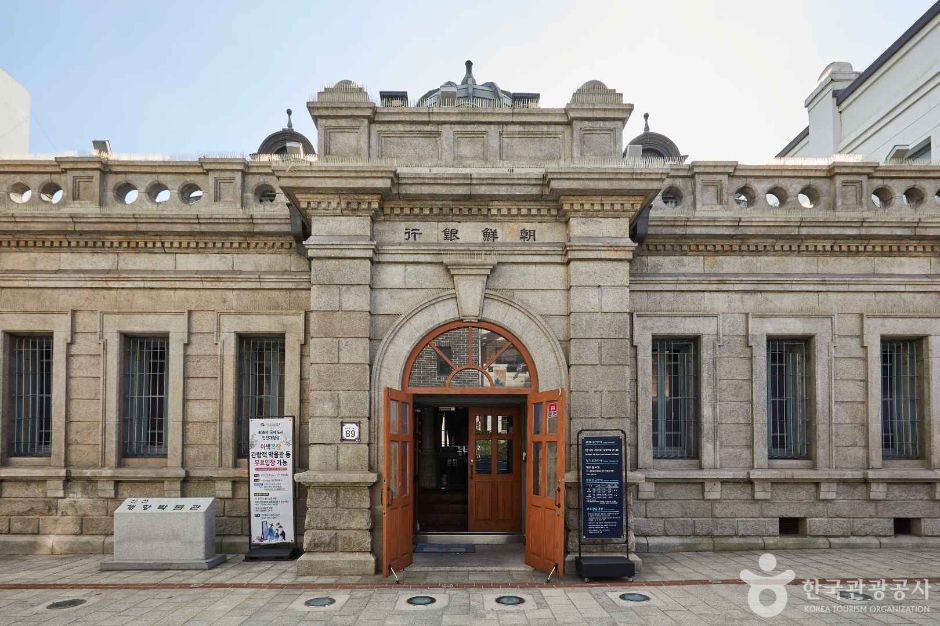
Designated as a Tangible Cultural Heritage of Incheon Metropolitan City, the Incheon Open Port Museum is housed in the former Bank of Japan building, an architectural masterpiece constructed in the late Renaissance style. With four permanent exhibitions, the museum offers a glimpse into various aspects of modern culture and artifacts that were first introduced after the opening of Incheon Port. (Credit: Incheon Jung-gu Cultural Foundation)
National Museum of World Writing Systems (국립세계문자박물관)
10.5Km 2025-10-23
217 Central-ro, Yeonsu-gu, Incheon
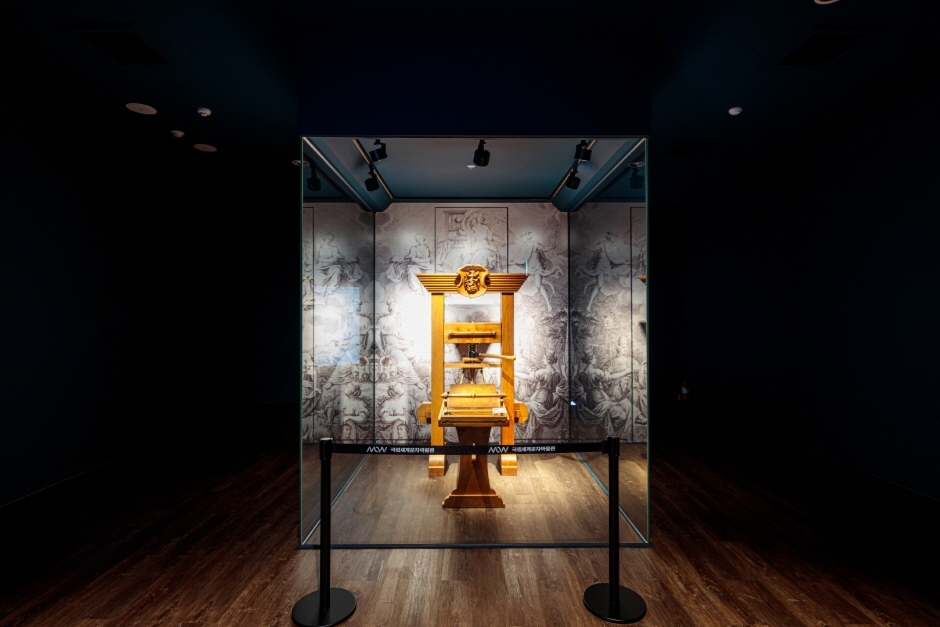
The National Museum of World Writing Systems is the third museum in the world to specialize in writing systems, following the Champollion Museum in France and the National Museum of Chinese Writing. The museum collects and researches new and important information from the stories contained in scripts, and conducts exhibitions and education based on this. By doing so, it shares the historical value of world scripts and provides content that allows visitors to experience the diversity of culture through scripts. From the first written script of mankind to the "Hangeul," Korean alphabet, it tells the story of the birth, development, and future of the characters that have led the development of human civilization.
Daebul Hotel Exhibition Hall (대불호텔전시관)
10.5Km 2025-10-23
101 Sinpo-ro 23beon-gil, Jung-gu, Incheon
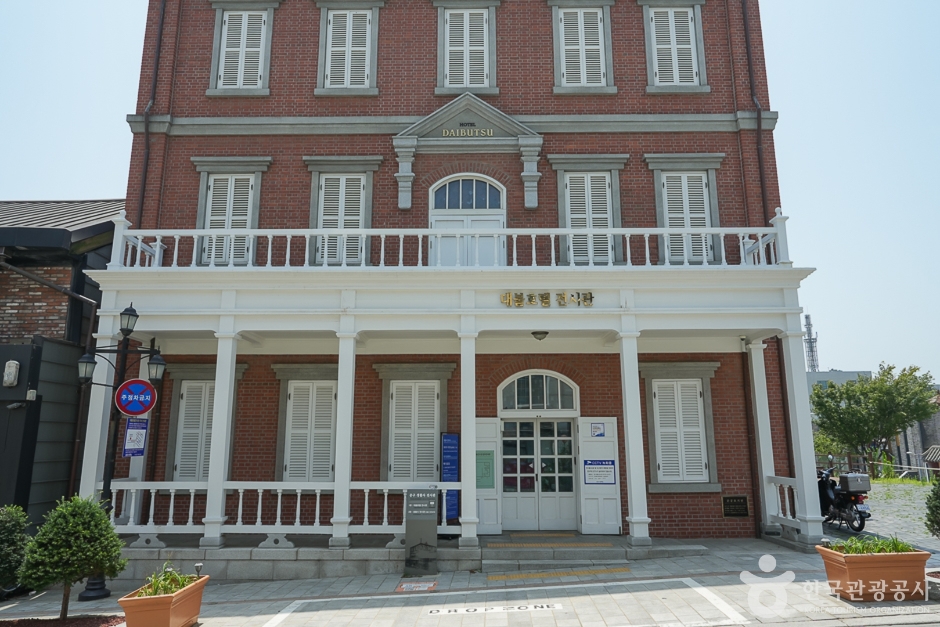
This museum is located on the site of Daebul Hotel, Korea's first Western-style hotel, established in 1889. The hotel was demolished in 1978, but parts of the hotel structure were discovered in 2011 and rebuilt to preserve the hotel's original appearance. The first floor is the Daebul Hotel Exhibition Hall, through which visitors can see traces of Daebul Hotel at the time. The second floor is the Jung-gu Life History Museum, where visitors can get a glimpse of life in Incheon's Jung-gu area in the 1960s and 1970s.
 English
 한국어
한국어 日本語
日本語 中文(简体)
 Deutsch
 Français
 Español
 Русский


