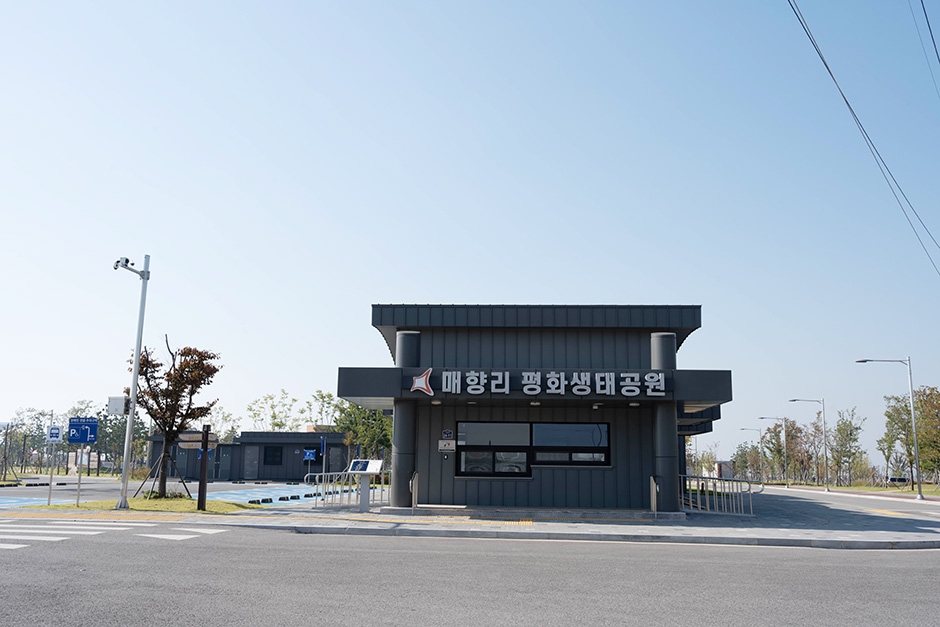
Maehyang-ri Peace Eco Park (매향리평화생태공원)
16.4Km 2025-10-29
24-11 Goonrian-gil, Ujeong-eup, Hwaseong-si, Gyeonggi-do
In the “Nogari Race for Talk Enthusiasts” episode of Running Man, members can be seen having endless chats with joyous expressions against a backdrop of green fields. This particularly scenic location is Maehyang-ri Peace Eco Park in Hwaseong City, Gyeonggi Province. This park was transformed from the Kooni Shooting Range, which was used as a firing range by the US Air Force for 54 years. It’s now a beloved spot for both Hwaseong residents and tourists. If you wish to take a break from your routine and catch your breath, this is the place to visit.
Asanman Embankment (아산만방조제)
18.7Km 2024-02-22
759, Gongse-ri, Inju-myeon, Asan-si, Chungcheongnam-do
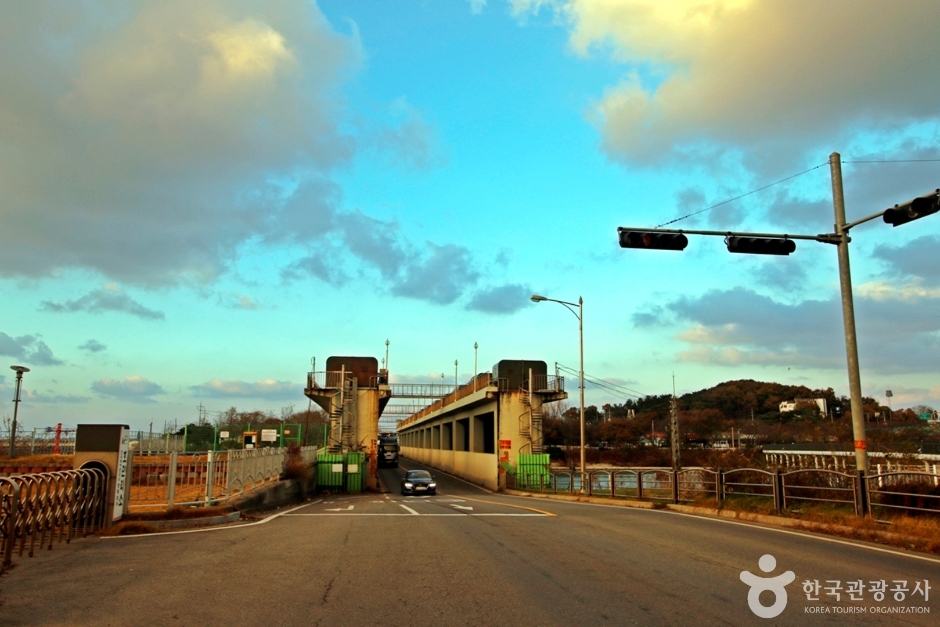
Asanman Embankment was created by blocking the stream that flows into the Asanman Bay in the West Sea. Although it was originally created to expand the farmlands of the region, Asanman Embankment became a tourist site over time thanks to its beautiful scenery. The area has the Yellow Sea to the west and Asanho Lake to the east. The western side of the embankment has a wide tidal flat. Fishing and drives can be enjoyed in the area. Don’t miss the view of the sunset toward the sea. In addition, there is a park, observatory, and exhibition hall in the area.

House and Tomb of Kim Jeong-hui (추사김정희선생고택·묘)
19.3Km 2024-02-21
261, Chusagotaek-ro, Sinam-myeon, Yesan-gun, Chungcheongnam-do
This house and tomb are where Kim Jeong-hui (pen name: Chusa, 1786-1856), a Joseon-era scholar and artist, lived and was laid to rest. Chusa Memorial Hall and Chusa Experience Center are found next to the house. After studying in Qing China, Kim Jeong-hui served in multiple government posts. He is best known for his unique calligraphical style, which bears his courtesy name (Chusa), and many works of art that survive to this day. The Experience Center offers traditional art experiences inspired by Kim Jeong-hui’s works.
House of Chusa (추사고택)
19.3Km 2022-12-28
261, Chusagotaek-ro, Yesan-gun, Chungcheongnam-do
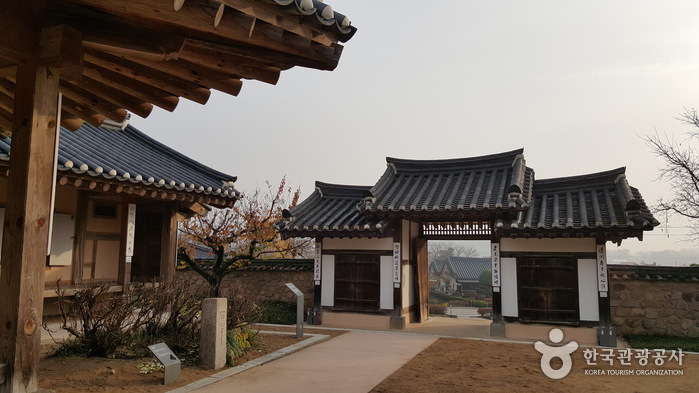
House of Chusa, Chusa Gotaek in Korean, is the traditional Korean house of the renowned scholar and calligrapher Chusa, also known as Kim Jeong-hui. This old house is known to have been constructed by the great-grandfather of Chusa, Kim Han-Sin.
The Korean-style house compound (266.11 m²) consists of munganchae (a guesthouse), soseuldaemun (a high gate), sarangchae (ㄱ-shaped men's quarters), anchae (ㅁ-shaped women’s quarters) and a shrine where the remains of Chusa are enshrined. Theㄱ-shaped Sarangchae stretches for one kan (traditional measuring unit) to the south and 2 kans to the east and is comprised of two rooms and a daecheongmaru (living area). The Anchae consists of a six-kan daecheongmaru and two one-kan rooms.
Located on the ground is a tomb where Chusa’s great-grandfather (Kim Han-Sin) and his wife (Hwasun Princess) are buried. Nearby, visitors will see a gate that was constructed to commemorate Princess Hwasun’s faithfulness to her husband.
Located approximately 600 meters to the north of the old house is a lacebark pine tree, which was designated as a Natural Monument. The lacebark pine tree, originally from northern China, is among the few of its kind in Korea. It is said that Chusa snuck the pine across the border from China (formerly, the Qing dynasty) into the country when he was 25 years old and planted it at the tomb of his great-grandfather. Originally, the tree had three branches, but two were broken and the third branch was damaged. In 1980, the damaged branch was treated and since then, the tree has been kept under strong protection.
Chusa Memorial Hall (추사기념관)
19.5Km 2024-12-27
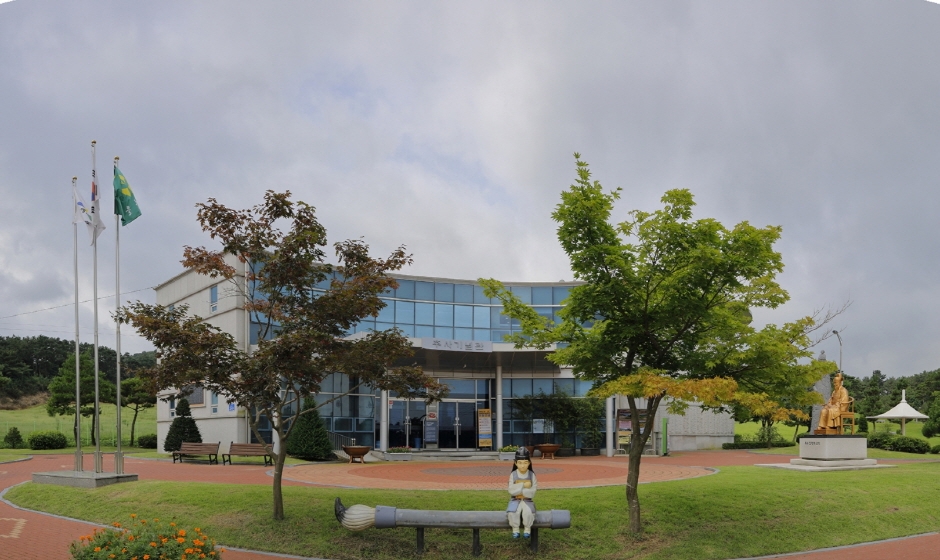
Chusa Memorial Hall opened in 2008, holds works of Chusa Gim Jeong-hui including his arts, epigraphy, calligraphy and more. The memorial hall preserves and exhibits Chusa Gin Jeong-hui's works to show future generations about his achievements.
Korean Modern Music Hall (한국근현대음악관)
19.6Km 2025-10-29
147 Pyeongtaekho-gil, Hyeondeok-myeon, Pyeongtaek-si, Gyeonggi-do
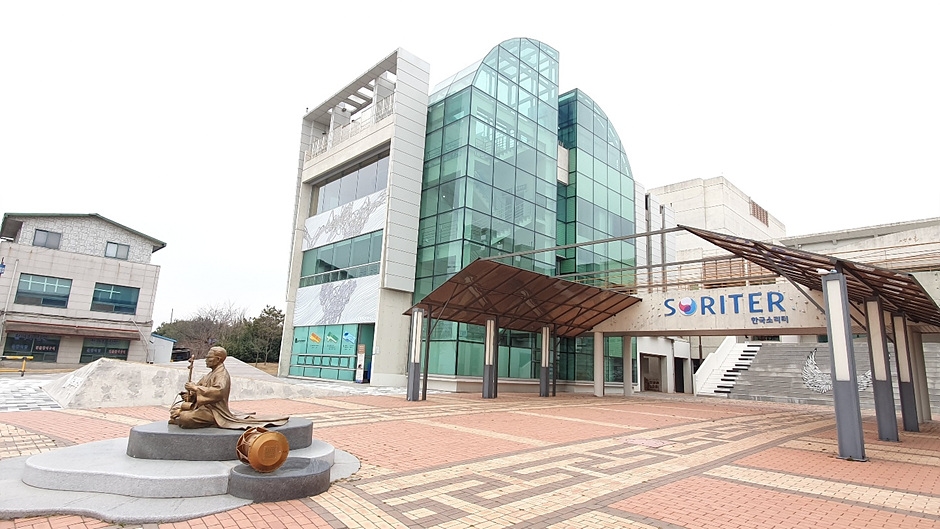
Korean Modern Music Hall, located at The Korea Soriter Arts Center in Pyeongtaekho Tourist Complex, is the first cultural complex dedicated to modern Korean music, serving as a museum, library, and archive. It has made a name for itself as Korea's representative music institution, bringing together Korean and Western music, modern and contemporary music, as well as the public and the people. It is an organization that arranges various events to help people view and comprehend history in new ways through a perspective of "music" with its collections related to different fields, including anti-Japanese and pro-Japanese music, the independence movement, music instruction, music from North Korea and Japan, and modern pop music.
Seosan Gaesimsa Temple (개심사(서산))
19.9Km 2021-09-18
321-86, Gaesimsa-ro, Seosan-si, Chungcheongnam-do
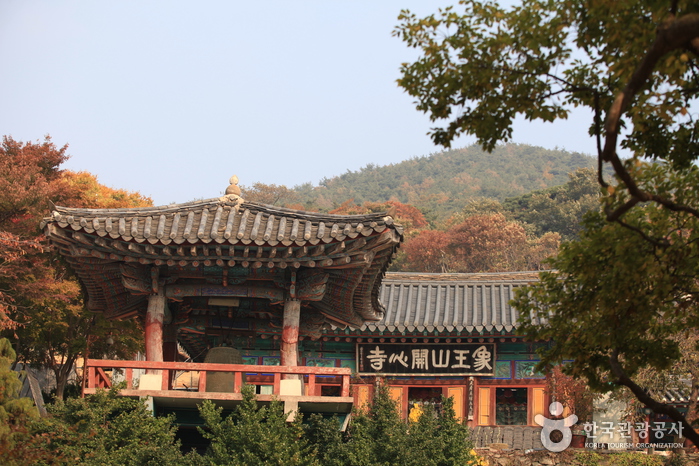
Situated in a dense forest in Sangwangsan Mountain and 6 kilometers away from Haemi-myeon, Gaesimsa Temple is one of the four major temples in Chungcheongnam-do. The path from the parking lot to the temple site is quite remote and curved, but beautiful especially in spring when cherry blossoms are in full bloom.
The temple was built in 1484 during the 15th year of King Seongjong and designated as a Treasure. The architecture of the temple stands out, as the buildings use bent tree trunks for pillars.
Pyeongtaekho Art Park (평택호예술공원)
19.9Km 2025-10-28
167 Pyeongtaekho-gil, Hyeondeok-myeon, Pyeongtaek-si, Gyeonggi-do
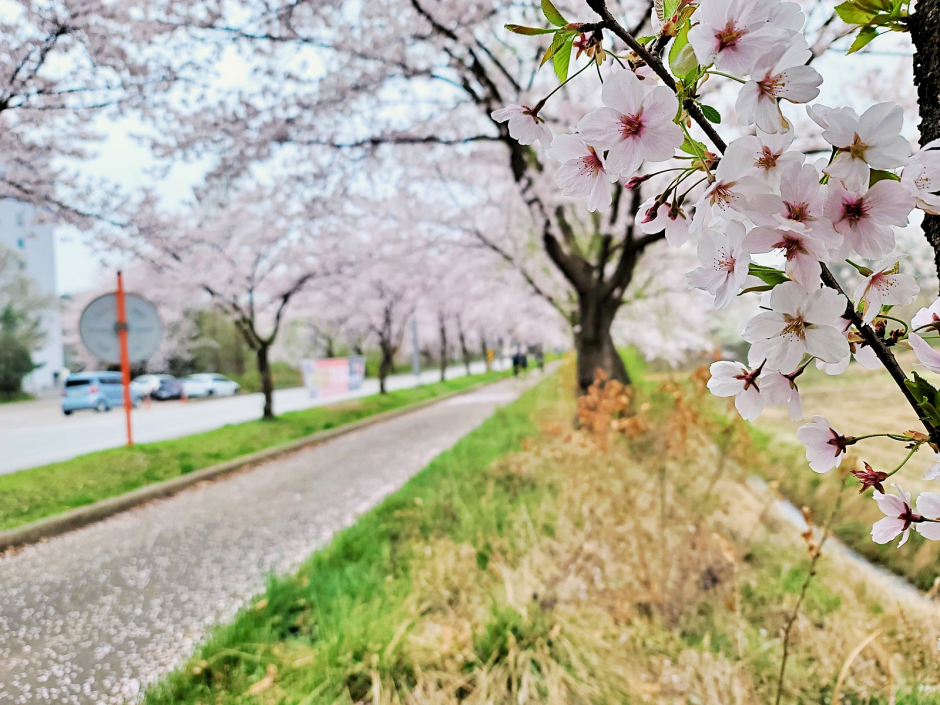
Pyeongtaekho is a lake that flows to the western sea. Pyeongtaekho Art Park is located along side it. Sculptures are spread throughout the park, creating a pleasant atmosphere for visitors to stroll and enjoy the art. The Ji Young-hee Gugak Center and Haegum Bench have been built to commemorate Ji Young-hee's (1909-1980) achievements as a national intangible cultural heritage who pioneered the popularization and globalization of Korean traditional music. The Korea Soriter Arts Center has an outdoor performance hall and a library dedicated to traditional Korean music.
 English
 한국어
한국어 日本語
日本語 中文(简体)
 Deutsch
 Français
 Español
 Русский


