Incheon Yonggungsa Temple (용궁사 (인천))
15.6Km 2021-11-12
199-1, Unnam-ro, Jung-gu, Incheon
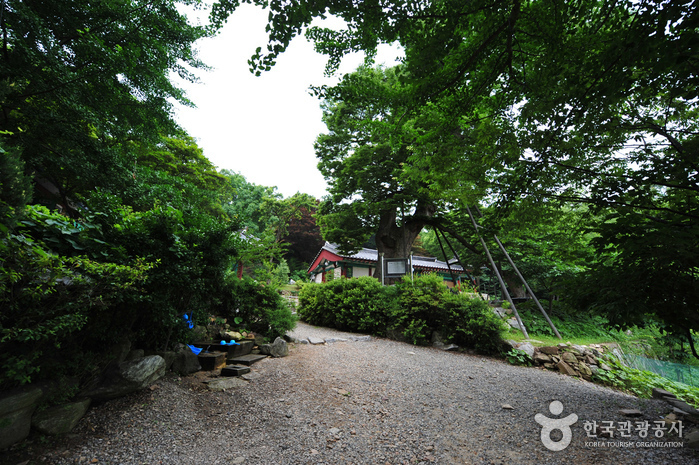
Yonggungsa Temple is located in the same region as the Incheon International Airport and sits on the northeastern slopes of Baegunsan Mountain. During the Silla Kingdom (about 1,300 years ago), the temple was named ‘Baegunsa’ by King Munmu, in reference to the temple’s mountain home. During the Joseon dynasty, it was the temporary residence of Heungseon Daewongun (1820-1898, a politician and father of King Gojong), who stayed at the temple for 10 years praying for his son to ascend to the throne. When his son was finally crowned king, Heungseon Daewongun rebuilt the temple and changed the name to Yonggungsa.
The temple consists of various buildings such as Gwaneumjeon (re-constructed by Heungseon Daewongun), Yosachae (home of the monks), Chilseonggak, and Yonghwanggak. In Yosachae, the writings of Heungseon Daewongun are hung on the wall and recently, an 11 meter-high statue of Maitreya was put in place. In front of the temple are two 1,300 year-old zelkova trees.
Gyeyangsan Mountain Trail (계양산둘레길)
16.1Km 2024-02-15
Danam-dong, Gyeyang-gu, Incheon
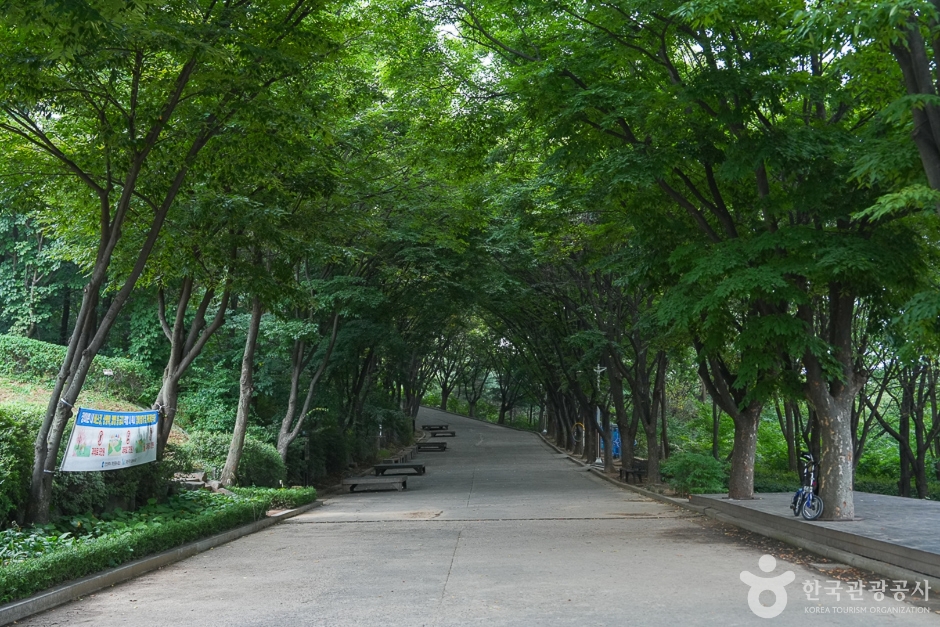
The Gyeyangsan Mountain Trail, spanning 7.29 kilometers, is set around Gyeyangsan Mountain, which stands at 395 meters above sea level in Incheon. The journey begins at the Gyeyangsan Outdoor Theater and winds through several notable points including Imhak Ogeori, Mudanggol Mineral Spring, Pigogae Pass, Jingmaeigogae Pass, the Rose Garden, and the Gyeyang Cultural Center, before circling back to the starting point. The trek, which takes approximately two hours to complete, is facilitated by a decked path that extends throughout the route, making it accessible and enjoyable for hikers.

Bangameori Beach (방아머리해수욕장)
16.2Km 2024-07-09
Daebubuk-dong, Danwon-gu, Ansan-si, Gyeonggi-do
Bangameori Beach is located at the northern tip of Daebudo Island. The beach is small in size but offers a relaxing atmosphere suited for vacation. The beach also has a forest path perfect for going on walks. There is a food street by the beach lined with restaurants that sell fresh seafood dishes.
Gyeongin Ara Waterway (경인 아라뱃길)
16.9Km 2023-11-10
41 Jeongseojin 1-ro, Seo-gu, Incheon
Ara Waterway flows 18 kilometers from the Hangang River to the West Sea. Opened in 2012, the waterway serves to quickly remove excess water from the surrounding areas to prevent flooding. The waterway also serves as a key route for transporting cargo via ship, as well as a natural green space.
The idea of Ara Waterway started nearly 800 years ago during the Joseon dynasty by King Gojong. Unfortunately, his plan could not be completed at that time due to technical obstacles and the difficult state of the country. After countless efforts and preparation, the construction of the waterway began in 2009 and opened in 2012.
 English
 한국어
한국어 日本語
日本語 中文(简体)
 Deutsch
 Français
 Español
 Русский


