Bijarim Forest (비자림)
17.2Km 2025-04-01
55 Bijasup-gil, Jeju-si, Jeju-do
+82-64-710-7912
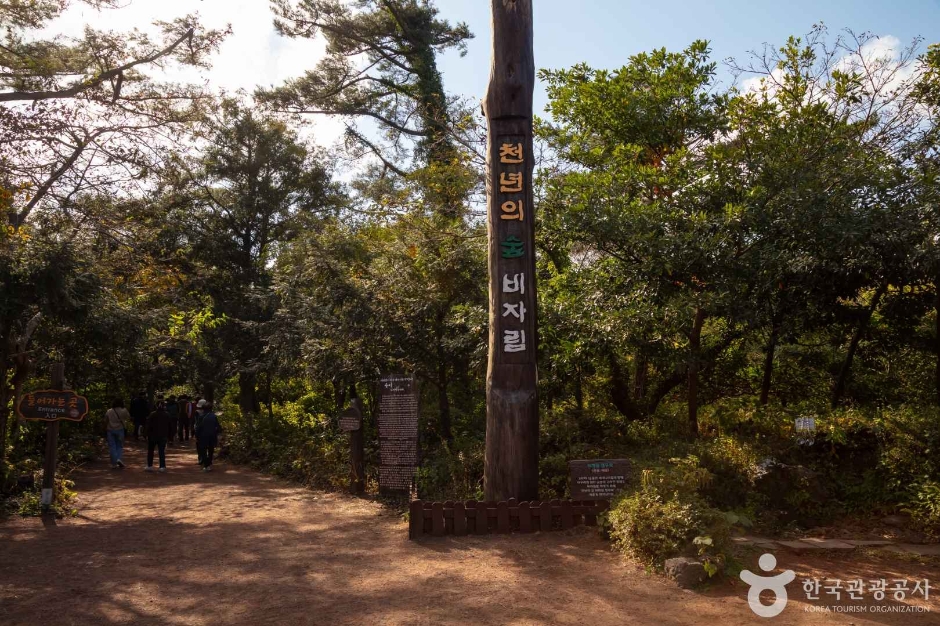
Designated and protected as a Natural Monument, Bijarim Forest is home to 2,800 bija trees, ranging from 500 to 800 years in age, spread over 448,165㎡ land area. These majestic trees range from 7-14 meters in x_height, 50-110 centimeters in diameter, and 10-15 meters in crown x_width, so this forest is quite a rare example of its kind in the world. The berries of bija trees were used widely as a medicine used to kill parasites, while the wood was used to make premium furniture and go boards. Forest bathing in a bija forest helps to combat arteriosclerosis, mitigate physical and psychological fatigue, and restore the body’s rhythm.
![Grabel Hotel - Jeju Branch [Tax Refund Shop] (그라벨호텔 제주점)](http://tong.visitkorea.or.kr/cms/resource/99/2886999_image2_1.jpg)
Grabel Hotel - Jeju Branch [Tax Refund Shop] (그라벨호텔 제주점)
18.0Km 2024-04-16
1F, 7316, Iljuseo-ro, Jeju-si, Jeju-do
-

Jeju Holic Museum (제주홀릭뮤지엄)
18.4Km 2024-07-24
2835 Pyeonghwa-ro, Aewol-eup, Jeju-si, Jeju-do
Jeju Holic Museum is located in what used to be a senior care facility that closed down. The museum tells the story of Jeju through five different spaces, using unique and modern ways of storytelling.
Jeju Horse Park (조랑말체험공원)
19.5Km 2024-01-11
381-15 Noksan-ro, Seogwipo-si, Jeju-do
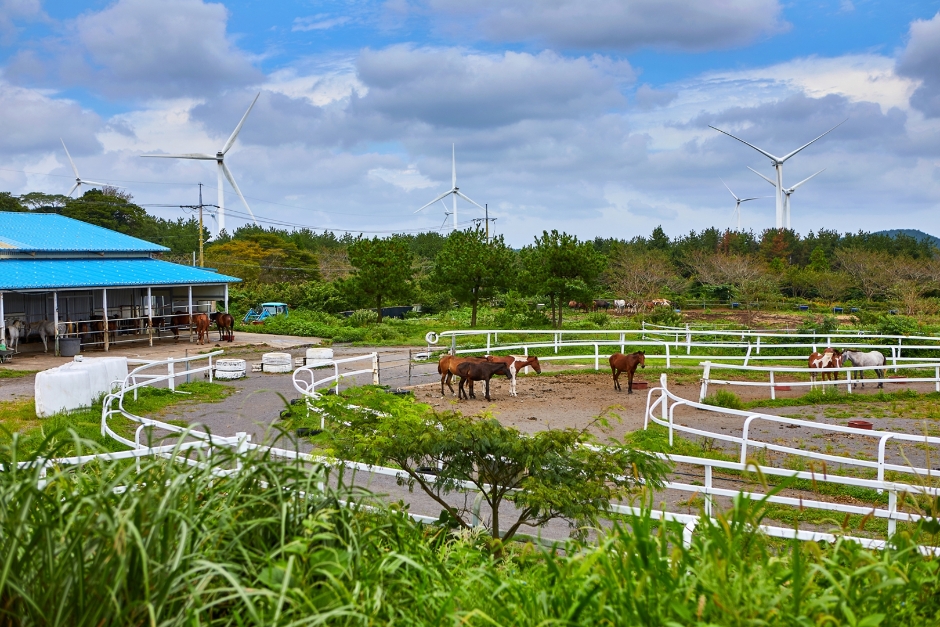
Jeju Horse Park offers a venue to promote Jeju’s horse culture in an easy and fun way. The park has kept intact the 600-year history of nomadic culture at the site of Gasi-ri Village which used to house Gammajang, the place for raising the best horses during the Joseon dynasty. The park includes the Jeju Horse Museum, Ttarabi horseback riding track, Maeum Cafe, Mongol Yurt Guesthouse, camping site, Art Shop, and an experience place to focus on the Project for a New Cultural Space Creation through the support of the Ministry of Agriculture, Food and Rural Affairs. The Jeju Horse Museum was the first national museum created by a village and its main theme covers the history and culture of the village. It is also regarded as a new form of community business model.
Jeju Island Special Tourist Zone (제주도 관광특구)
19.6Km 2025-05-20
Jeju-do
+82-64-740-6000
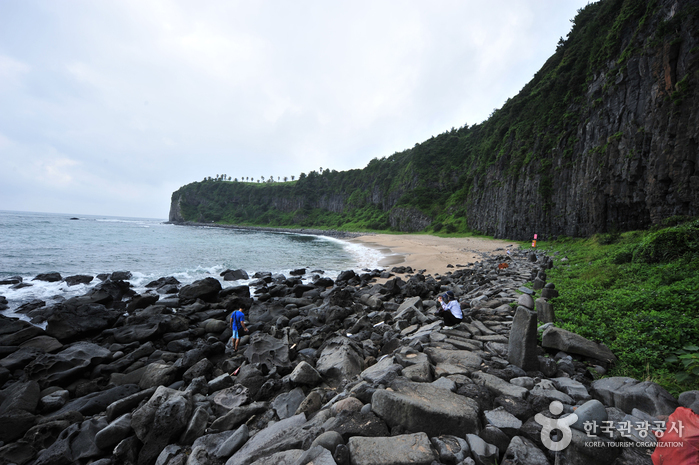
Located to the southwest of the Korean Peninsula, the island of Jeju is Korea's largest tourist destination. The entire island has been designated as a special tourist zone, and it's easy to see why: there is hardly any spot on the island that is not photogenic. Unlike mainland Korea, which has a temperate climate, Jeju boasts a climate that is closer to subtropical. Hallasan Mountain, lying at the center of the island, is surrounded by 368 parasitic cones, known as "Oreum." Eleven beaches have been designated as tourist beaches, but including those that are not officially designated, the island features nearly thirty beaches in total. Famous beaches include Iho Tewoo Beach, Samyang Beach, Hyeopjae Beach, Geumneung Beach, and Gwakji Beach. Jeju's renowned Olle Trails, a system of hiking paths, span a total length of 425 kilometers and would take about fifteen days to complete in their entirety.
 English
 한국어
한국어 日本語
日本語 中文(简体)
 Deutsch
 Français
 Español
 Русский


