![Olive Young - Jeju Hagwi Branch [Tax Refund Shop] (올리브영 제주하귀)](http://tong.visitkorea.or.kr/cms/resource/97/2886997_image2_1.jpg)
Olive Young - Jeju Hagwi Branch [Tax Refund Shop] (올리브영 제주하귀)
17.5Km 2024-04-18
1F, 121, Hagwi-ro, Aewol-eup, Jeju-si, Jeju-do
-
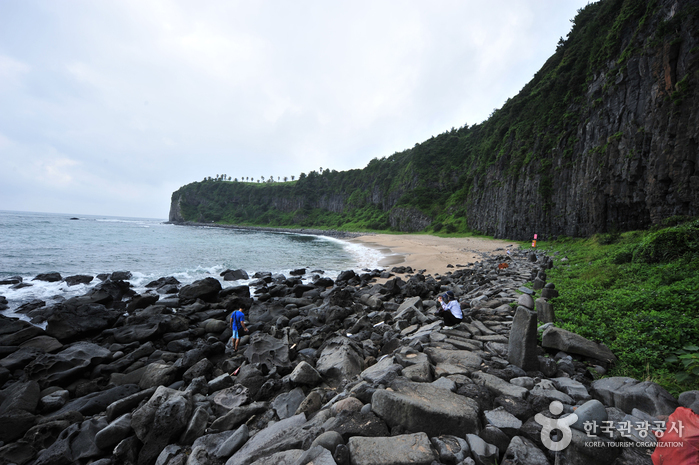
Jeju Island Special Tourist Zone (제주도 관광특구)
17.8Km 2025-05-20
Jeju-do
+82-64-740-6000
Located to the southwest of the Korean Peninsula, the island of Jeju is Korea's largest tourist destination. The entire island has been designated as a special tourist zone, and it's easy to see why: there is hardly any spot on the island that is not photogenic. Unlike mainland Korea, which has a temperate climate, Jeju boasts a climate that is closer to subtropical. Hallasan Mountain, lying at the center of the island, is surrounded by 368 parasitic cones, known as "Oreum." Eleven beaches have been designated as tourist beaches, but including those that are not officially designated, the island features nearly thirty beaches in total. Famous beaches include Iho Tewoo Beach, Samyang Beach, Hyeopjae Beach, Geumneung Beach, and Gwakji Beach. Jeju's renowned Olle Trails, a system of hiking paths, span a total length of 425 kilometers and would take about fifteen days to complete in their entirety.
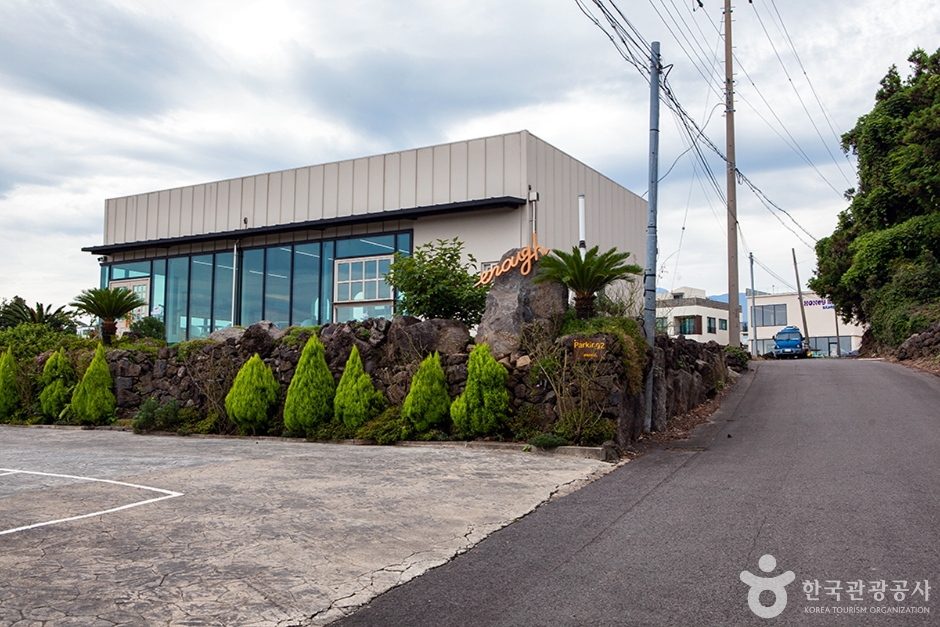
Enough (이너프)
17.9Km 2024-02-20
1F, 33 Goseong 8-gil, Aewol-eup, Jeju-si, Jeju-do
Enough is a charming dessert café in Jeju, easily recognizable by its red roof. It stands out as one of Aewol's photogenic spots, thanks to its attractive, small café building set on a lush green lawn. The café's signature offerings include the More Than Latte (condensed milk latte) and tomato basil ade, a unique drink crafted from fresh homemade tomato syrup. Another popular choice, especially among children, is the hallabong cheong ice cream (hallabong syrup ice cream). Visitors have the option to enjoy their coffee and desserts either inside the main building or in the outdoor area, making for a pleasant and versatile café experience.
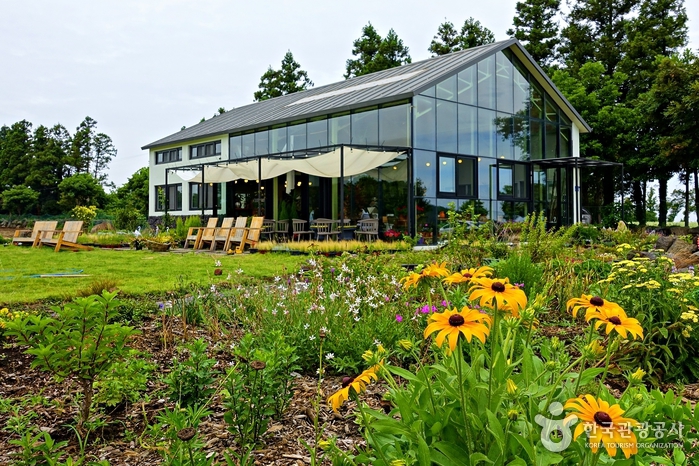
Songdangnamu (송당나무)
18.0Km 2024-02-21
68-140 Songdang 5-gil, Gujwa-eup, Jeju-si, Jeju-do
Songdangnamu is a gardening café where visitors can enjoy flowers in a spacious garden. Songdang-ri, known for its abundant rainfall, is recognized as a neighborhood conducive to plant growth, making it popular for landscaping cultivation. The café features a greenhouse filled with various plants such as herbs, palm trees, and catcus, as well as an outdoor garden spanning over 5,300 square meters. The signature menu item is the hallabong ade.
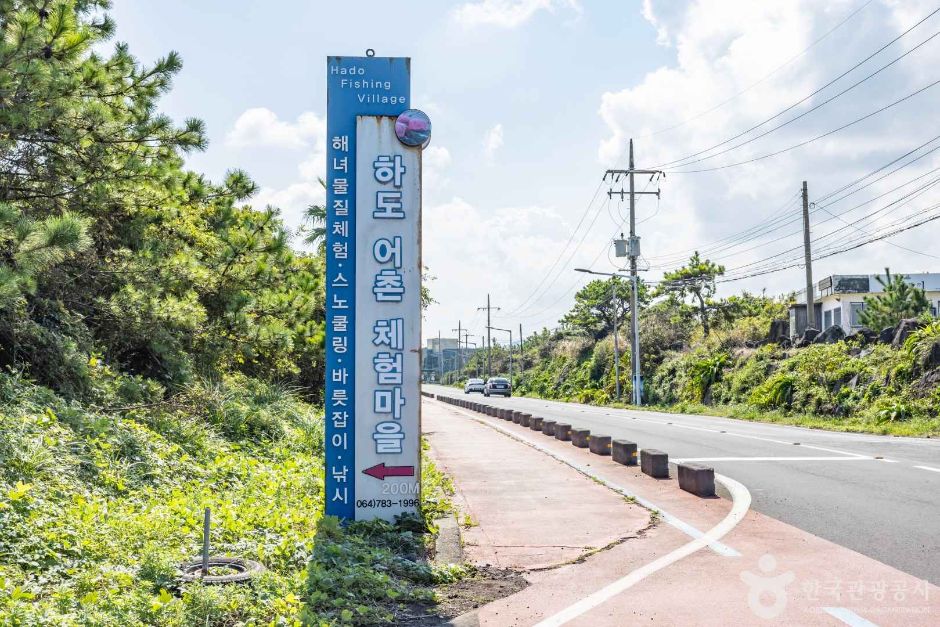
Hado Fishing Experience Village (하도어촌체험마을)
18.0Km 2025-12-18
Haemajihaean-ro, Gujwa-eup, Jeju-si, Jeju-do
Hado Fishing Experience Village is a relatively unknown destination on Jeju Island where visitors can experience the island’s unique maritime culture and coastal scenery. Among other things, it is home to the Haenyeo Museum, which offers a fascinating glimpse into the lives and traditions of Haenyeo (Jeju’s female divers); the Hado-ri Migratory Bird Habitat, where dozens of species of migratory birds, including rare species, gather; and Hado Beach, known for its clean blue waters and white sand.
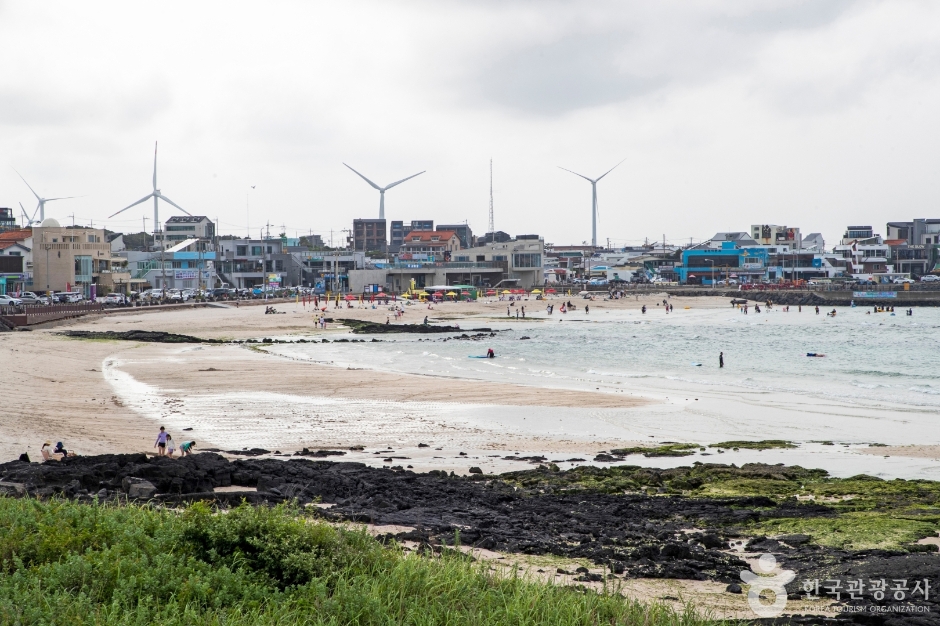
Woljeongri Beach (월정리해변(월정리해수욕장))
18.0Km 2025-03-13
480-1 Haemajihaean-ro, Jeju-si, Jeju-do
+82-64-728-3906
Woljeong-ri, a village located on the east side of Jeju Island, holds the meaning "the moon stays." The beautiful emerald sea spreads out like a picture, and the bright moon shines above it. As more and more travelers visited the beach to appreciate its beauty, many restaurants, cafes, and lodging facilities started to form along the shoreline. Some cafes placed chairs for people to relax in while looking at the sea, which became an iconic photo spot of Woljeongri Beach.
The beach is also a popular location for a variety of water sports such as surfing, snorkeling, and kayaking. Woljeongri Beach is popular among surfers because it has waves with a uniform x_height that are constantly coming in. The beach is also a part of the Gimnyeong-Hado Olle and Gimnyeong-Woljeong Geotrail Course on Jeju Olle Trail Route 20, and a great spot for tourists to take a break while taking in the beautiful scenery and cool scent of the sea.

Maze Museum (메이즈랜드)
18.6Km 2025-10-23
2134-47 Bijarim-ro, Gujwa-eup, Jeju-si, Jeju-do
+82-64-784-3838
Maze Museum, a comprehensive theme park, features the world's longest stone maze, spanning 5.3 km and themed around Jeju’s Samda—the island’s iconic triad of stones, wind, and women. Proudly showcasing Korea’s natural beauty, the park also houses a museum where visitors can explore the history of mazes, view artifacts, and solve puzzles dating from the 14th century to modern times. Constructed from local stones known for their high far-infrared ray emission and the western arborvitae trees, which release beneficial phytoncides, Maze Museum is an eco-friendly park designed with health benefits in mind, offering more than just walking mazes. The site is enveloped by a variety of 40-year-old trees, providing an ideal environment for forest bathing and immersing in nature.
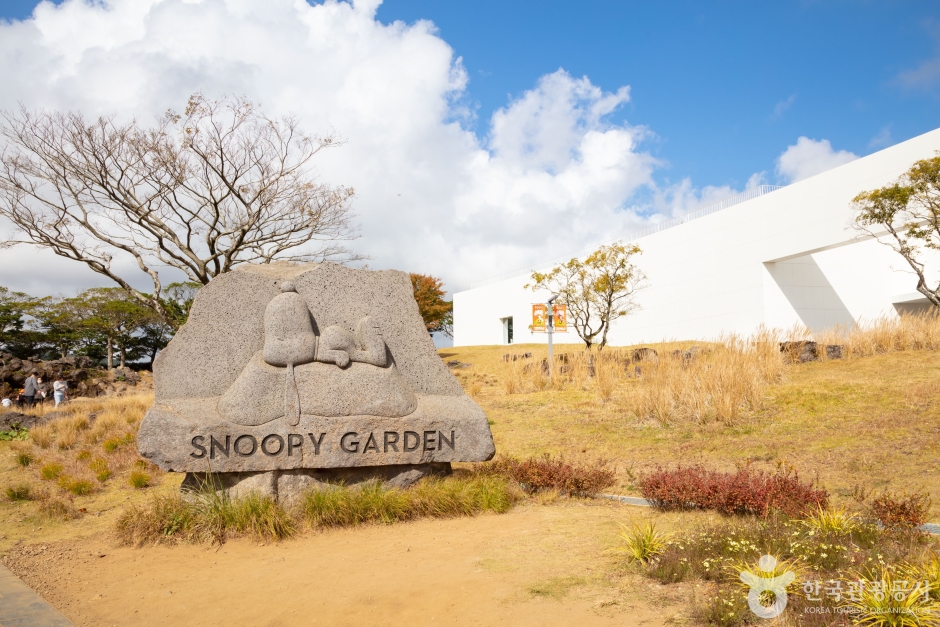
Snoopy Garden (스누피가든)
18.7Km 2024-10-29
930 Geumbaekjo-ro, Gujwa-eup, Jeju-si, Jeju
+82-64-903-1111
Snoopy Garden House is where visitors can meet Snoopy and friends from the popular American comic series "Peanuts." The themed halls designed under the overall theme of "Peanuts, Nature & Life" allows one to connect their everyday life through episodes from "Peanuts." Snoopy Garden House has a total of five themed halls and Peanuts Store.
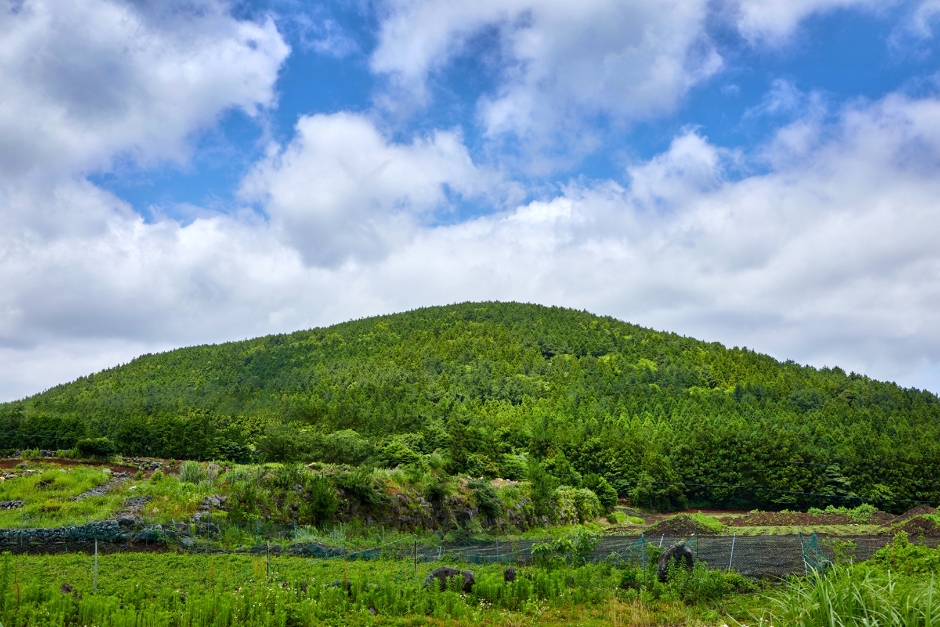
Dotoreum Parasitic Cone (돛오름(돝오름))
18.7Km 2023-12-22
San 3, Songdang-ri, Gujwa-eup, Jeju-si, Jeju-do
This oreum, or parasitic cone, is located southwest of Bijarim Forest. Its name “Dot” comes from the Jeju dialect for pig, as the shape of the peak is said to resemble a pig. Dotoreum Parasitic Cone is home to a wide variety of trees and plants, but among them, it is most well-known for its bija trees. However, paths in this parasitic cone tend to be rather narrow and rugged, so one must prepare accordingly in order to climb the hill without much trouble. Visitors are advised to prepare comfortable shoes and water at the very least.
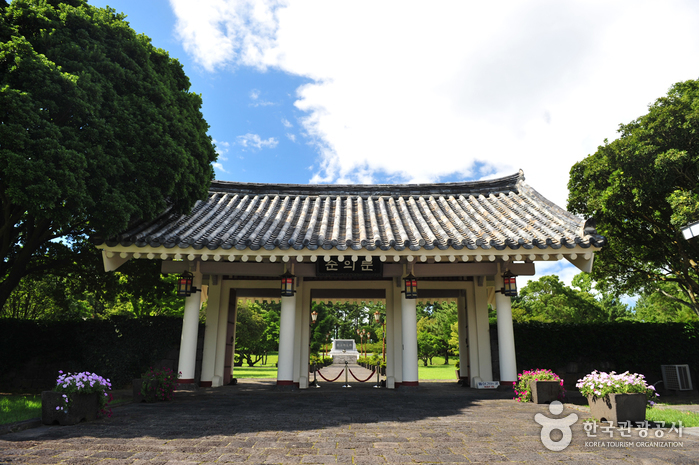
Historic Site of Anti-Mongolian Struggle in Hangpadu-ri, Jeju (제주 항파두리 항몽 유적)
18.8Km 2022-08-18
50, Hangpaduri-ro, Jeju-si, Jeju-do
+82-64-710-6721
Historic Site of Anti-Mongolian Struggle in Hangpadu-ri is where the Sambyeolcho military unit of the Goryeo dynasty resisted the invasion of Mongolia until the last possible moment. The site houses an
exhibition hall, a monument, and a unique mud fortress. Nearby is Jangsumul Spring (Jangsu means general) which flowed from the footprints of General Kim Tong-jeong. Today, water from the spring
cannot be used as drinking water.
Sambyeolcho was a military unit of the Goryeo dynasty. When the Goryeo dynasty made peace with the Mongolian forces in February 1270 (the 11th year of King Wonjong), the Sambyeolcho special defense unit opposed it and launched a resistance movement. They moved their base to Jindo in Jeollanam-do, but after suffering a huge defeat, they moved to Jeju-do and built Hangpaduseong Fortress. They continued to fight against the Mongolian forces for two more years there. However, all the members were killed in April 1273 (the 14th year of King Wonjong).
This independent anti-Mongolian movement was born out the deeply patriotic belief in the need to safeguard the nation from foreign invasion. In 1977, the government invested 745 million won to restore part of the fortress and build a monument in commemoration of those who died in the war. The work was completed in June 1978.
 English
 한국어
한국어 日本語
日本語 中文(简体)
 Deutsch
 Français
 Español
 Русский


