Gwaneumsa Temple (Jeju) (관음사(제주))
8.6Km 2025-10-23
660 Sallokbuk-ro, Jeju-si, Jeju-do
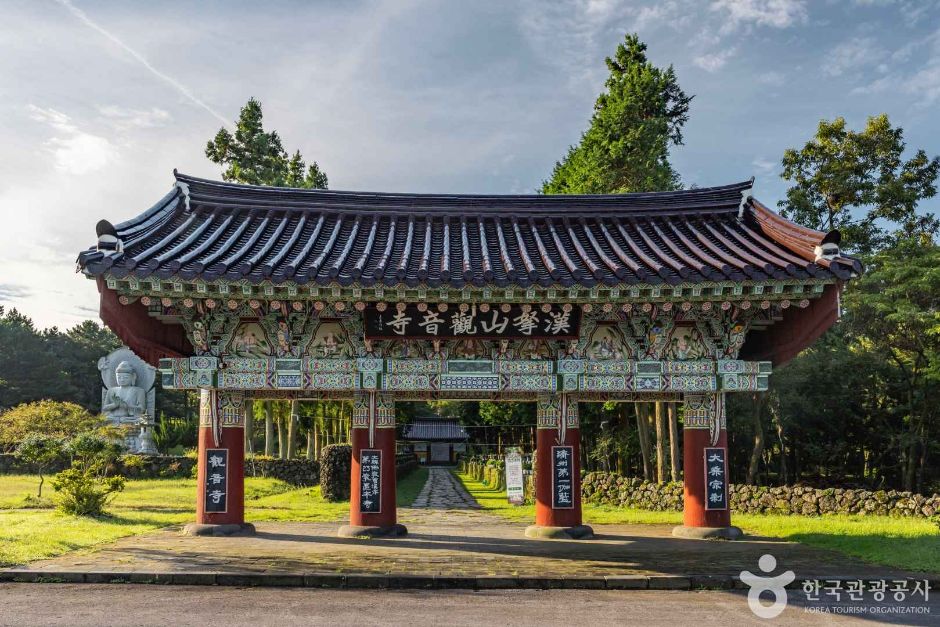
Gwaneumsa Temple is a historic Buddhist temple located about 650m up on the slopes of Hallasan Mountain. The road leading to the temple is exceptionally scenic, framed by cedar trees and adorned vibrant with chrysanthemum flowers, creating a striking yellow path. The temple grounds host siginificant structures such as the Cheonwangmun Gate, Daeungjeon Hall, and the Gwaneumgul Cave. For visitor convenience, the complex includes a café and a restaurant specializing in Buddhist temple cuisine. Additionally, the temple offers a templestay program, providing guests with a unique opportunity to engage in rest and meditation, embracing the tranquil solitude of the temple environment.

Jeju Holic Museum (제주홀릭뮤지엄)
9.1Km 2024-07-24
2835 Pyeonghwa-ro, Aewol-eup, Jeju-si, Jeju-do
Jeju Holic Museum is located in what used to be a senior care facility that closed down. The museum tells the story of Jeju through five different spaces, using unique and modern ways of storytelling.
Jeju 4.3 Peace Park (제주4·3평화공원)
9.5Km 2021-06-18
430, Myeongnim-ro, Jeju-si, Jeju-do
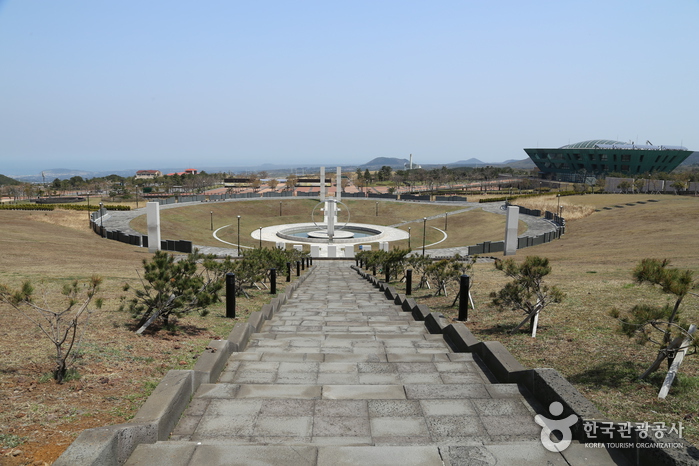
Mankind tends to only remember the heroes of civilization. Jeju 4.3 Peace Park was created to remember those who fell protecting their homeland during the Jeju uprising which broke out on April 3, 1948. The park is the symbol of reconciliation and peace, and seeks to open a new chapter of life.
The development project of Jeju 4.3 Peace Park was a result of the reparations for the victims of the Jeju uprising. The 4.3 Special law was promulgated in the year 2000, and the following steps proceeded: property acquisition for the park, master plan of the park establishment, design competitions for the park, construction, exhibits and installations. It finally opened to the public on March 28, 2008.
Jeju Leports Land (제주레포츠랜드㈜)
9.8Km 2022-12-29
47 , Waheulsangseo 2-gil, Jeju-si, Jeju-do
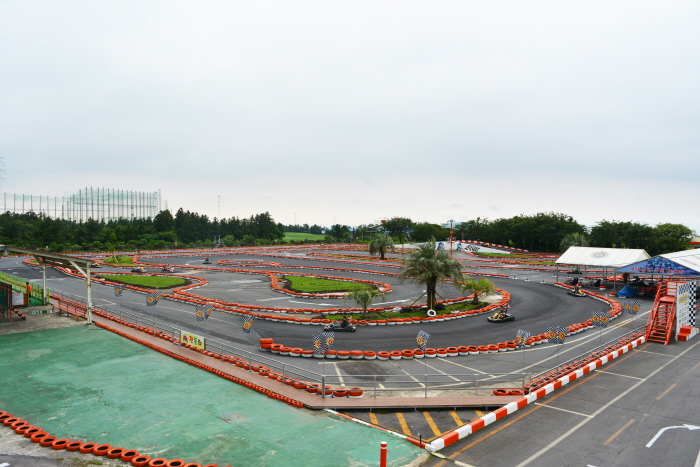
Jeju Leports Land is located on the eastern side of Jeju Island and is the country's largest kart experience center. It is a multi-complex leisure experience center with programs such as mountain buggy, zip line, survival field, four season sledding, and more. There are also accommodation facilties such as pensions and guest houses.

Jeju Jeolmul Recreational Forest (제주절물자연휴양림)
10.6Km 2023-01-17
584, Myeongnim-ro, Jeju-si, Jeju-do
Jeju Jeolmul Recreational Forest opened on July 23, 1997. The forest is comprised of both a natural Japanese cedar forest and a man-made forest. The combination of the sea breeze and the shade of the forest canopy over the walking paths make it a cool attraction all year round.
The recreational forest features a promenade, waterfall, pond, grass square, wood-crafting studio, and more. There are forest cabins available for lodging.
Hanwha Resort Jeju (한화리조트 제주)
11.0Km 2025-03-16
575-107, Myeongnim-ro, Jeju-si, Jeju-do
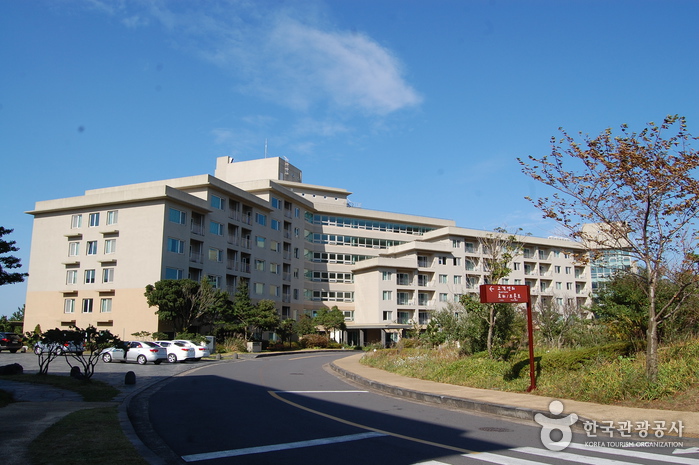
Hanwha Hotel & Resort is a leading hospitality leisure company with the highest number of condominiums and golf courses across Korea. Hanwha Resort in Jeju offers a wide range of subsidiary facilities and is located nearby many local attractions.
Tamura (타무라)
11.3Km 2025-10-29
670 Jungsangandong-ro, Jocheon-eup, Jeju-si, Jeju-do
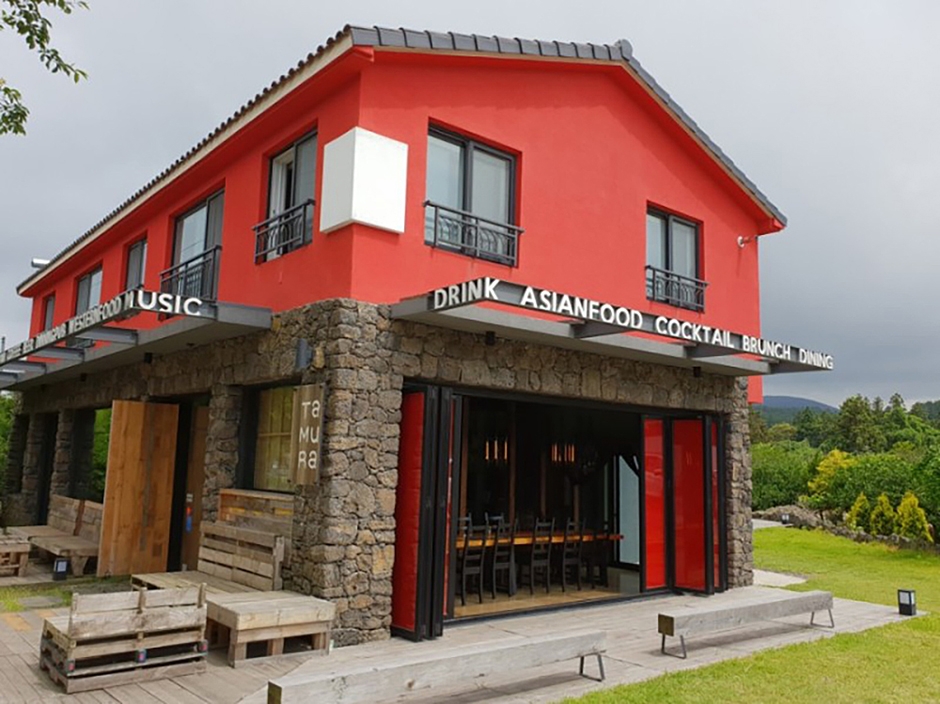
Tamura is a Thai restaurant on the eastern side of Jeju Island, offering recreations of popular Thai dishes, including tom yum goong, pad thai, and pu phat pong curry. The restaurant became even more popular after it was visited by singer IU.
Historic Site of Anti-Mongolian Struggle in Hangpadu-ri, Jeju (제주 항파두리 항몽 유적)
11.9Km 2022-08-18
50, Hangpaduri-ro, Jeju-si, Jeju-do
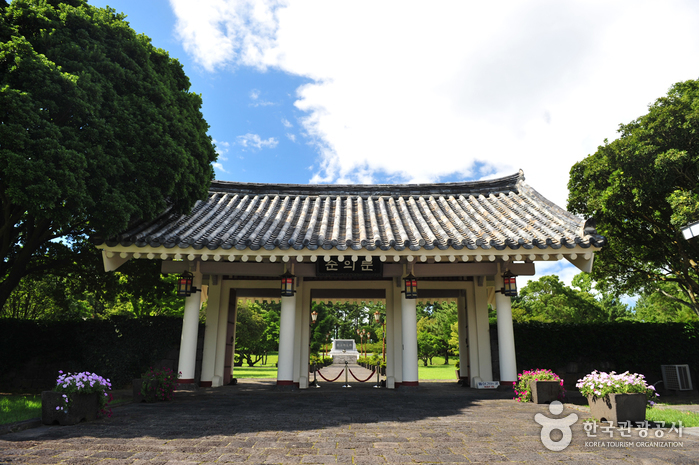
Historic Site of Anti-Mongolian Struggle in Hangpadu-ri is where the Sambyeolcho military unit of the Goryeo dynasty resisted the invasion of Mongolia until the last possible moment. The site houses an
exhibition hall, a monument, and a unique mud fortress. Nearby is Jangsumul Spring (Jangsu means general) which flowed from the footprints of General Kim Tong-jeong. Today, water from the spring
cannot be used as drinking water.
Sambyeolcho was a military unit of the Goryeo dynasty. When the Goryeo dynasty made peace with the Mongolian forces in February 1270 (the 11th year of King Wonjong), the Sambyeolcho special defense unit opposed it and launched a resistance movement. They moved their base to Jindo in Jeollanam-do, but after suffering a huge defeat, they moved to Jeju-do and built Hangpaduseong Fortress. They continued to fight against the Mongolian forces for two more years there. However, all the members were killed in April 1273 (the 14th year of King Wonjong).
This independent anti-Mongolian movement was born out the deeply patriotic belief in the need to safeguard the nation from foreign invasion. In 1977, the government invested 745 million won to restore part of the fortress and build a monument in commemoration of those who died in the war. The work was completed in June 1978.
Ivar Garden (아이바가든)
12.0Km 2024-04-19
8 Goseongnamseo-gil, Aewol-eup, Jeju-si, Jeju-do
Ivar Garden is an immersive media art exhibition hall in Aewol-eup on Jeju’s northwest coast. The hall is divided into eight exhibition spaces, each with a unique theme like Dreamy, Industrial, Mystery, and Party. The exhibitions extend all the way to the floor and the ceiling for a fully immersive experience.
Jeju Island Special Tourist Zone (제주도 관광특구)
12.3Km 2025-05-20
Jeju-do
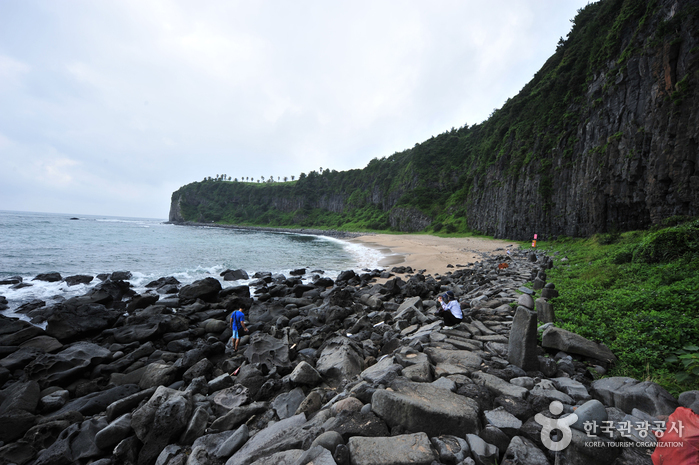
Located to the southwest of the Korean Peninsula, the island of Jeju is Korea's largest tourist destination. The entire island has been designated as a special tourist zone, and it's easy to see why: there is hardly any spot on the island that is not photogenic. Unlike mainland Korea, which has a temperate climate, Jeju boasts a climate that is closer to subtropical. Hallasan Mountain, lying at the center of the island, is surrounded by 368 parasitic cones, known as "Oreum." Eleven beaches have been designated as tourist beaches, but including those that are not officially designated, the island features nearly thirty beaches in total. Famous beaches include Iho Tewoo Beach, Samyang Beach, Hyeopjae Beach, Geumneung Beach, and Gwakji Beach. Jeju's renowned Olle Trails, a system of hiking paths, span a total length of 425 kilometers and would take about fifteen days to complete in their entirety.
 English
 한국어
한국어 日本語
日本語 中文(简体)
 Deutsch
 Français
 Español
 Русский


