
Cheonbuk Green Barley Field (천북 청보리밭)
17.7Km 2025-07-21
Haman-ri, Cheonbuk-myeon, Boryeong-si, Chungcheongnam-do
Cheonbuk Green Barley Field in Boryeong has become a sought-after destination after gaining popularity on social media for its picture-perfect scenery. This beautiful lush green barley field was also featured in K-dramas, making it a favorite attraction for K-drama fans and travelers alike. Visitors are advised to be careful and not step on the barley while taking pictures. The entrance ticket comes with a drink coupon, redeemable at the café within the fields.
Anmyondo Jurassic Museum (안면도 쥬라기박물관)
18.0Km 2024-02-26
37-20 Gomseom-ro, Nam-myeon, Taean-gun, Chungcheongnam-do
The Anmyondo Jurassic Museum is a natural history museum boasting Korea's largest collection of dinosaur fossils. Its collection features dinosaur specimens such as Diplodocus and Tyrannosaurus, along with dinosaur eggs, sourced from the United States and Argentina. Nearby attractions include Anmyondo Jurassic Park, a meteorological observatory, and various accommodations such as pensions.
Seosan Ganworam Hermitage (간월암(서산))
18.5Km 2023-01-02
119-29, Ganwoldo 1-gil, Seosan-si, Chungcheongnam-do
+82-41-668-6624
Ganworam is a small hermitage located in Ganwoldo-ri in Seosan-si, Chungcheongnam-do. Ganworam Hermitage was created by the Great Monk Muhak, the monk to King Taejo of the Joseon dynasty. The name of the hermitage is directly tied with Muhak himself as it is said Muhak became enlightened while meditating under the moon (wol means moon in Korean) at this hermitage. At low tide, Ganworam Hermitage is connected to shore via a natural walkway, but at high tide, the walkway is submerged and the hermitage becomes an island. At night time, in particular, the hermitage and its surrounding islets create a breathtaking view as the moonlight reflects off the sea.
Mageompo Beach (마검포해수욕장)
18.8Km 2021-07-01
Sinon-ri, Taean-gun, Chungcheongnam-do
+82-41-670-2691
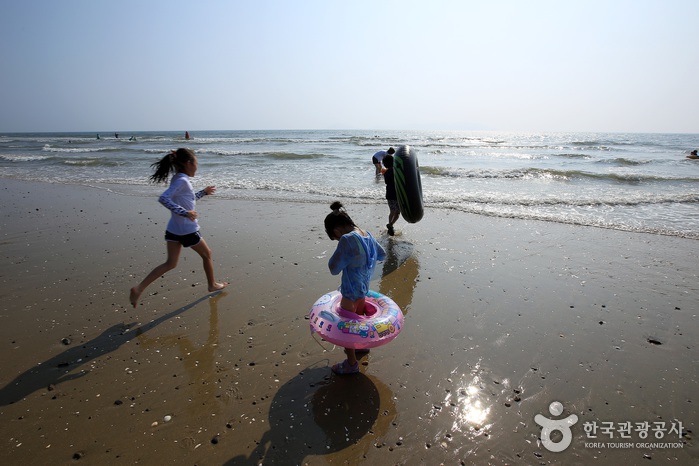
Mageompo Beach in Nam-myeon, Taean-gun is located right before the bridge that leads to Anmyeondo Island. As the beach is not widely popular among tourists, one can spend a quiet and tranquil vacation here. Near the beach is a dense pine tree forest where one can enjoy camping. The white sand and shallow waters also make it a good place for kids to swim. In the evening, the beach is a great spot to watch the breathtaking sunset.
This beach is famous for silchi-hoe, a dish consisting of freshly sliced raw fish. The ocean near the beach is one of the biggest natural sources of fresh seafood such as anchovy, sand eel and short arm octopus.
Taean Lighting Festival (태안 빛축제)
18.8Km 2025-07-22
200 Mageompo-gil, Nam-myeon, Taean-gun, Chungcheongnam-do
+82-41-675-9200
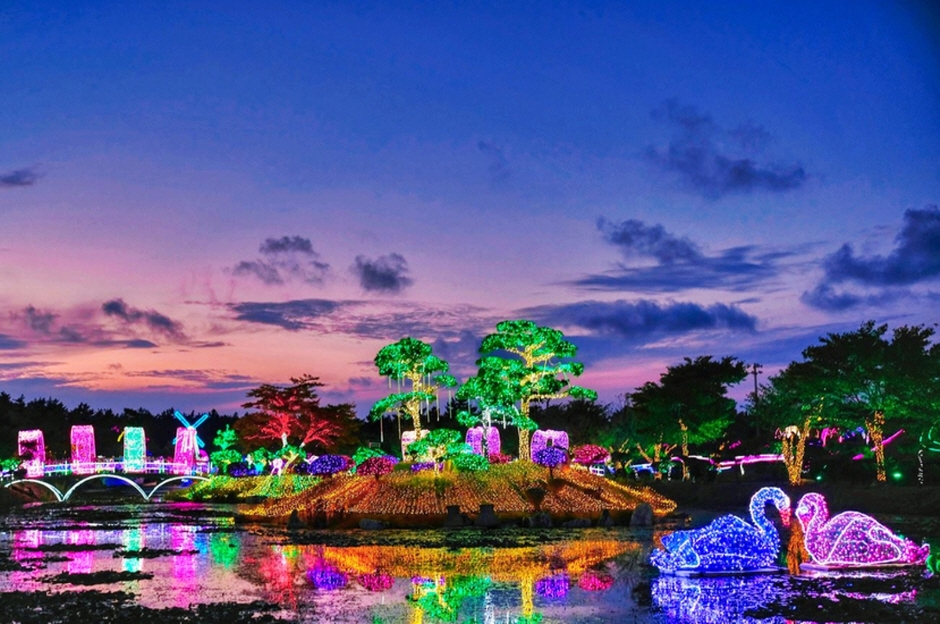
Taean Lighting Festival takes place every day of the year, lighting up the evening. The festival first began as a humble idea by the local farmers, and now, it one of Taean's most fabulous attractions, bringing the night alive all year round with glamorous LED lights.
Yanggoksa Shrine (양곡사)
18.9Km 2024-01-16
131-31 Hongnamseo-ro, Seobu-myeon, Hongseong-gun, Chungcheongnam-do
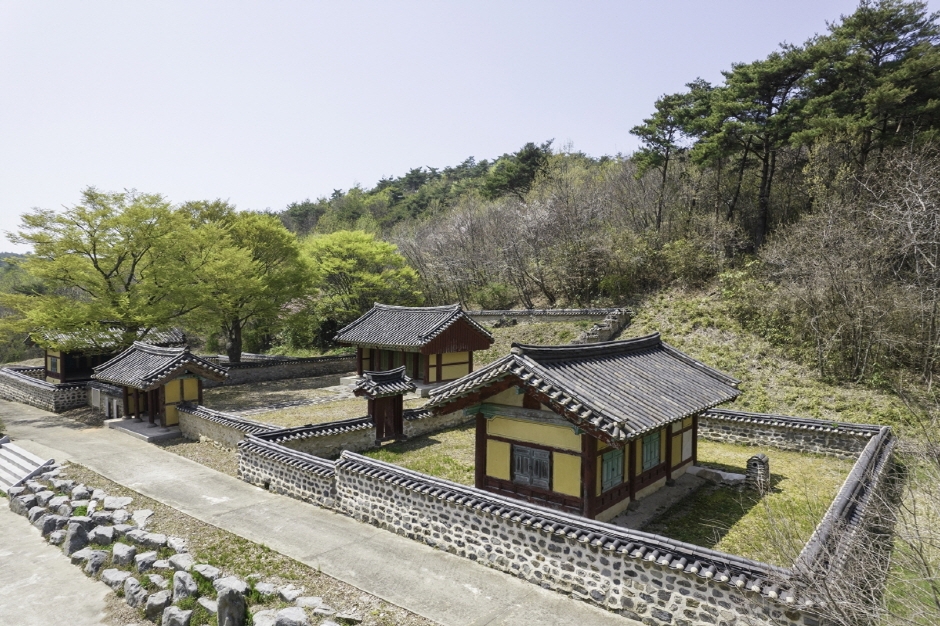
Yanggoksa Shrine is located in Yanggok-ri, Hongseong, and enshrines the memorial tablets of Han Won-jin, and his disciples Song Neung-sang, and Kim Han-rok. The shrine was built in 1772 to commemorate Han Won-jin, and then was later rebuilt in 1987 with the addition of Song Neung-sang and Kim Han-rok's memorial tablets.
Cheonsuman Bay - Migratory Bird Sanctuary (천수만(철새도래지))
19.5Km 2021-05-21
Buseok-myeon & Gobuk-myeon, Seosan-si, Chungcheongnam-do
+82-41-661-8054
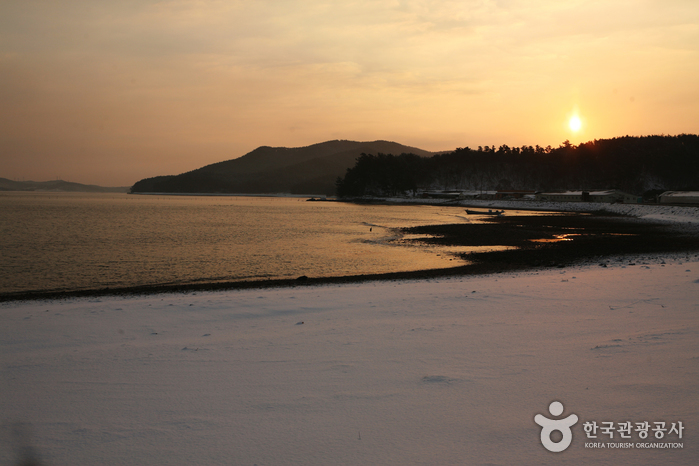
Cheonsuman Bay emerged as a habitat for migratory birds as a result of a reclamation project that was undertaken in 1984. A breakwater was built around this area, which created Ganwolho Lake and Bunamho Lake. Moreover, a vast agricultural land spanning 6,400 hectares was formed on what used to be a mud flat. The monthly average temperature of Cheonsuman Bay area between October and March is about 1.2 degree Celsius higher than inland areas at the same latitude because of its oceanic climate. Such geographical conditions have made Cheonsuman Bay an ideal wintering site for migratory birds.
Cheonsuman Bay is located midway along the migration route of birds migrating from northern Siberia or Manchuria to Southeast Asia. As a result, Cheonsuman Bay has become home to nearly 200 different species of migratory birds that can be watched all year round. In winter, the area becomes a wintering site for over 300 thousand ducks and wild geese, as well as a wide variety of endangered species like storks, spoonbills, mute swans, and white-naped cranes. Lucky birdwatchers might be able to witness the great spectacle created by tens of thousands of migratory birds flying in a flock over the Cheonsuman Bay area.
 English
 한국어
한국어 日本語
日本語 中文(简体)
 Deutsch
 Français
 Español
 Русский


