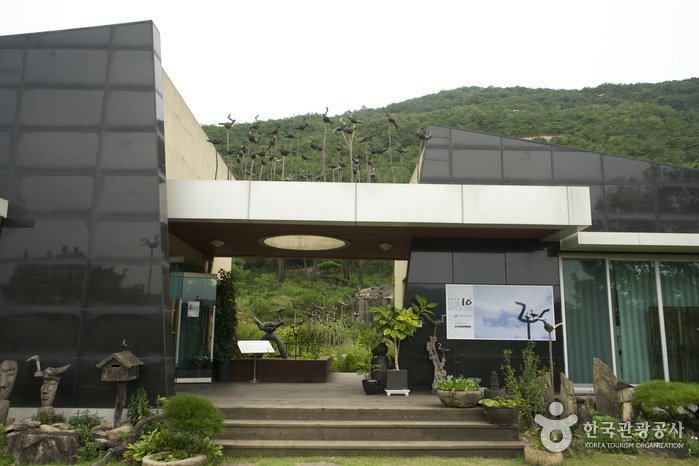
Neunggang Sotdae Art Museum (능강솟대문화공간)
2025-01-10
1100, Oksunbong-ro, Jecheon-si, Chungcheongbuk-do
Neunggang Sotdae Art Museum in Jecheon is a museum of sotdae, ancient prayer poles with a duck or bird-shaped figurine on top that were usually placed at the village entrance. Many of these artifacts can be found inside and outside of the museum, which is located near the vast Chungjuho Lake. Other nearby tourist attractions include Neunggang Valley, situated at the foot of Geumsusan Mountain and surrounded by lush pine forests, rocky cliffs, streams and waterfalls. There is also Jeongbangsa Temple, which is said to have been built by the renowned Buddhist Monk Uisang, during the Silla era.
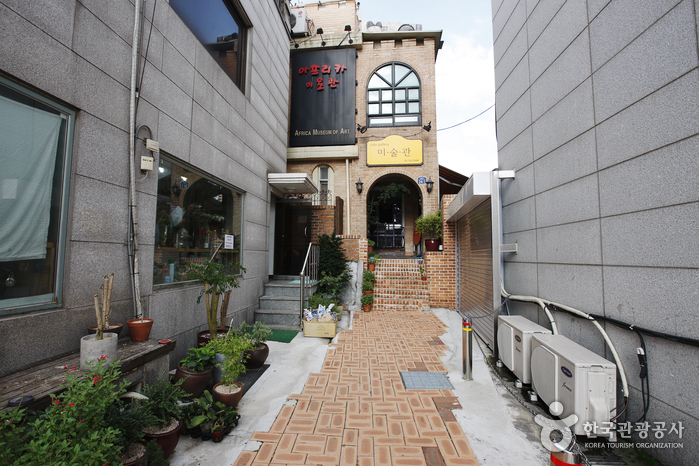
Africa Museum of Art (아프리카미술관)
2022-10-26
24-1, Samcheong-ro, Jongno-gu, Seoul
The Africa Museum of Art was established with the purpose of hosting various art festivals and providing the grounds for researching various art themes. A major principle of the gallery is to promote works of art that actively attempt to explore the human mind.
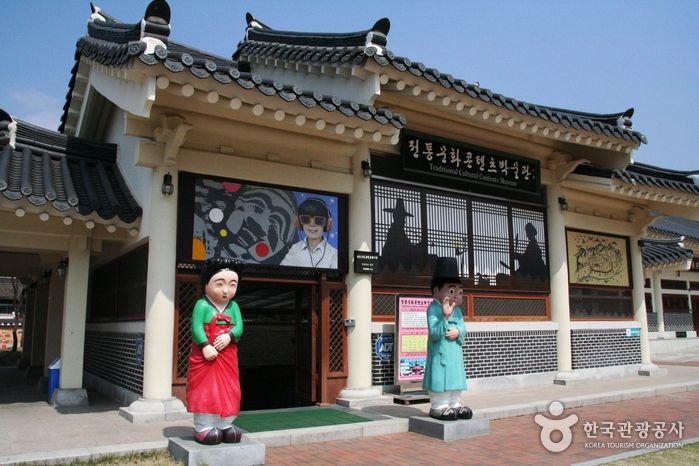
Traditional Culture Contents Museum (전통문화콘텐츠박물관)
2023-07-07
203, Seodongmun-ro, Andong-si, Gyeongsangbuk-do
Andong's Traditional Culture Contents Museum is the first digital culture museum in Korea, exhibiting digitalized content only, called "digital relics." The state-of-the-art digital museum provides information as well as hands-on activities related to traditional Korean culture.
Traditional Culture Contents Museum suggests a new standard for a museum. This museum is a counterpart to NEWSEUM (News+Museum) in the U.S., and Sigureden, a digital museum/exhibition center in Japan. The museum uses interactive computer technology to interpret traditions of the past, and give visitors the chance to learn the values and fundamental principles behind traditional Korean customs.

Uijae Museum of Korean Art (광주 의재미술관)
2026-06-30
155 Jeungsimsa-gil, Dong-gu, Jeonnam-Gwangju Special Metropolitan City
The Uijae Museum of Korean Art was established in memory of the famous Korean artist Heo Baekryeon. Construction of the museum ended in December, 1999, but the museum wasn’t officially opened until November 17, 2001. Built to mimic the curve of a gently sloping road, the museum’s unique design earned architect Jo Seongryong the 10th Korean Architecture Award the same year as the museum’s opening. Measuring 6,000㎡ (B1-2F) in size, the museum is comprised of two exhibition rooms, a storage facility, a seminar room, and a tea ceremony room for visitors. Since its opening, the Uijae Museum of Korean Art has hosted notable exhibitions and seminars such as the 2002 Biennale Project 2 International Symposium.
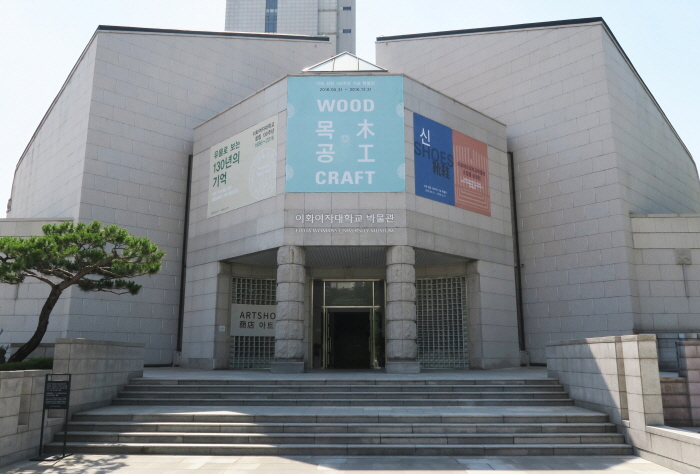
Ewha Womans University Museum (이화여자대학교박물관)
2022-09-14
52, Ewhayeodae-gil, Seodaemun-gu, Seoul
The Ewha Womans University Museum was established in 1935 with the goal of preserving the cultural heritage of Korea. Originally, items related to folk art, traditional woodwork, and pottery were put on display in the hall of the main university to keep them from being confiscated during the Japanese occupation. This later led to the opening of the museum to display and store the growing collection.
Regular exhibitions of the museum’s collection have been taking place annually from 1972. Since 1996, the museum also held special exhibitions that focus on other themes related to cultural heritage. Additional small-scale exhibitions are also held frequently to promote Korea's traditional culture and art.
A ceramics research facility as well as a more traditional museum, a large portion of the museum’s efforts is focused on the research and excavation of kilns. To this aim, excavation teams from the museum have traveled to various parts of the country to conduct studies on historic sites and assess the value of artifacts. Through the publication of books and reports on its discoveries, the museum has contributed to raising knowledge and awareness of Korean cultural heritage in academia and among the public.
Gwangju Museum of Art (광주시립미술관)
2026-06-30
52, Haseo-ro, Buk-gu, Jeonnam-Gwangju Special Metropolitan City
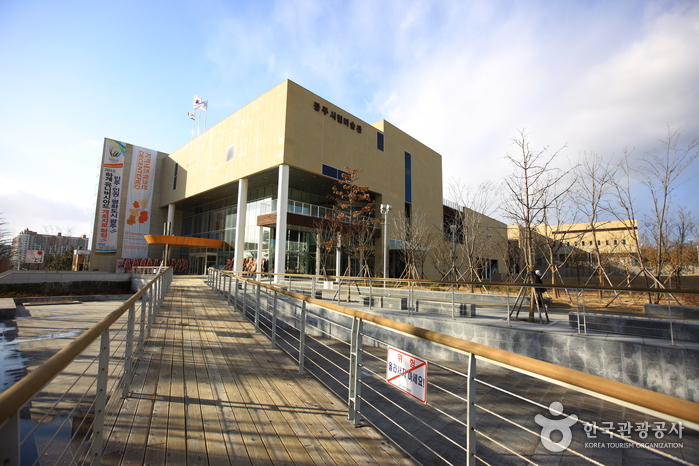
The Gwangju Museum of Art was founded on August 1, 1992, to promote local artists. In 1996, it served as the venue for the Gwangju Biennale. The museum holds over 560 works, including those from Heo Baekryeon, Oh Jiho, Yang Su-ah, and Im Jik-sun, all local artists. In addition to the permanent exhibitions, the museum also has special planned exhibitions and other cultural programs.
King Sejong The Great Museum (세종대왕박물관)
2024-03-08
56, Hoegi-ro, Dongdaemun-gu, Seoul
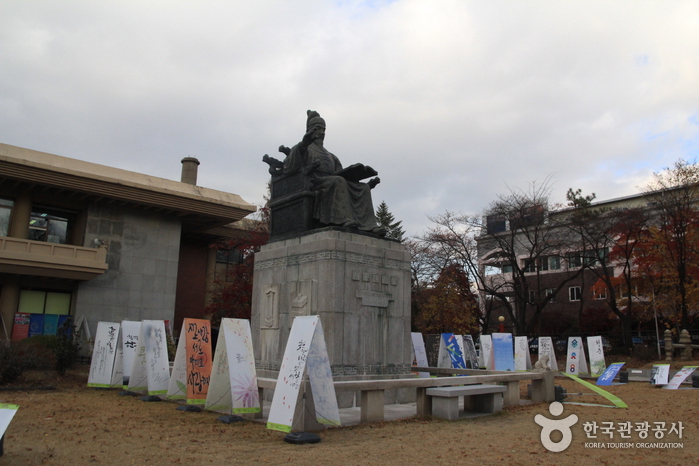
King Sejong The Great Museum is a cultural complex located in the heart of Seoul, near Gwanghwamun Plaza.The Hangeul Room exhibits documents published during the reign of King Sejong, the Science Room displays Cheugugi and celestial planisphere, and the Korean Traditional Music Room showcases various traditional Korean musical instruments. The Biography Room features Portrait of King Sejong and paintings depicting scenes from his life. Outdoors, there are statues of King Sejong, the scahe sundial, the clepsydra, and Cheugugi.
Incheon Culture and Arts Center (인천문화예술회관)
2025-01-10
149 Yesul-ro, Namdong-gu, Incheon
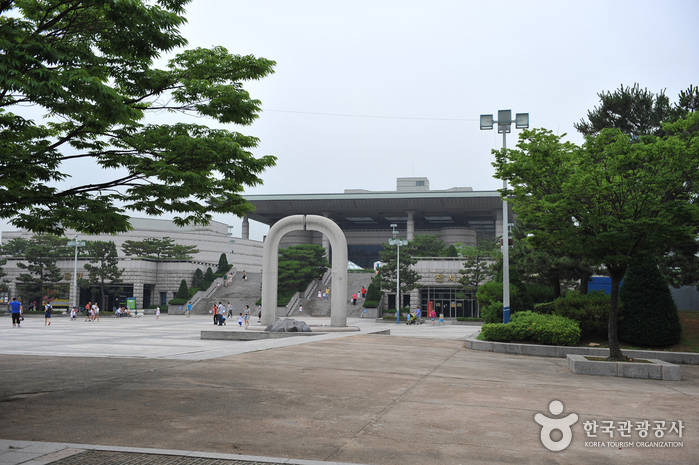
Incheon Culture and Arts Center is a dedicated cultural performance facility located within the Incheon Jungang Park. It features a Grand Concert Hall, a Small Concert Hall, and an Outdoor Concert Hall. The venue hosts events by the Incheon City Art Company, as well as various concerts, performances, exhibitions, and cultural events held in Incheon. Outdoor concerts and busking performances are also occasionally held at the outdoor stage.

Busan Citizens Hall (부산시민회관)
2021-06-03
16, Jaseong-ro 133beon-gil, Dong-gu, Busan
Busan Citizens' Hall has the longest history of all public cultural spaces in Korea, having opened on October 10, 1973. The hall consists of a 1,606-seat grand theater, 407-seat small theater, art galleries, an art shop, cafeteria, and other amenties.
Youngeun Museum of Contemporary Art (영은미술관)
2026-03-19
300 Cheongseok-ro, Gwangju-si, Gyeonggi-do
Youngeun Museum was established in November 2000 in the natural forests of Gwangju, Gyeonggi-do. The museum is largely composed of two sections: an art museum and a studio. Youngeun Museum is considered a museum of contemporary art as it focuses on the research, preservation, and exhibition of modern art works. It is the first museum of its kind to also operate studio space for artists and has consequently received praise in the art world as a forward-thinking museum. Thanks to the museum’s focus on creating new works of art, the museum has become a gathering place where artists, writers, critics, and the general public can interact with one another and appreciate the art-making process.
 English
 한국어
한국어 日本語
日本語 中文(简体)
 Deutsch
 Français
 Español
 Русский


