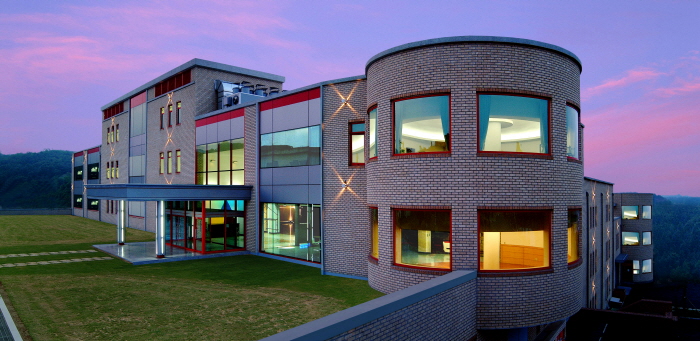
Lighting Museum (조명박물관)
2019-03-18
235-48, Gwangjeok-ro, Gwangjeok-myeon, Yangju-si, Gyeonggi-do
Lighting Museum was created in 2004 with the goal to restore the lost lighting culture, rediscover lighting culture by showing lights from the past, create future-oriented lighting culture, and establish and develop a pleasant lighting culture of living with nature and people alike.
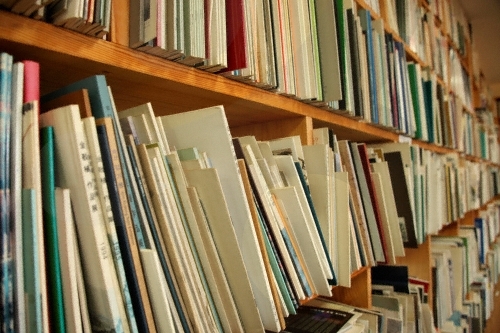
Cheongsong Yasong Art Gallery (군립 청송야송미술관)
2025-01-13
5162, Gyeongdong-ro, Cheongsong-gun, Gyeongsangbuk-do
The Cheongsong Yasong Art Gallery opened on April 29, 2005. The art gallery exhibits 350 Korean paintings and pottery works of Yasong Lee Won-jwa, who is a traditional Korean painter native to Cheongsong. Also on display are around 50 works of noted painters and sculptors from in and out of Korea, and over 10,000 art books, all of which have been donated to the gallery. The two-story building was formerly Sinchon Primary School, which was remodeled into an art gallery after its closure.

Ulsan Museum (울산박물관)
2026-01-29
277 Duwang-ro, Nam-gu, Ulsan
Ulsan Museum is an archive of the past, present, and future of Ulsan City. The museum facilities include a history hall giving a general outline of the city from the prehistoric to the modern times, an industry hall showing Ulsan as the industrial capital of Korea, and a children’s experience hall for educational purposes. This eco-friendly museum equipped with advanced exhibition and education facilities is a model cultural space to help visitors understand Ulsan’s identity.
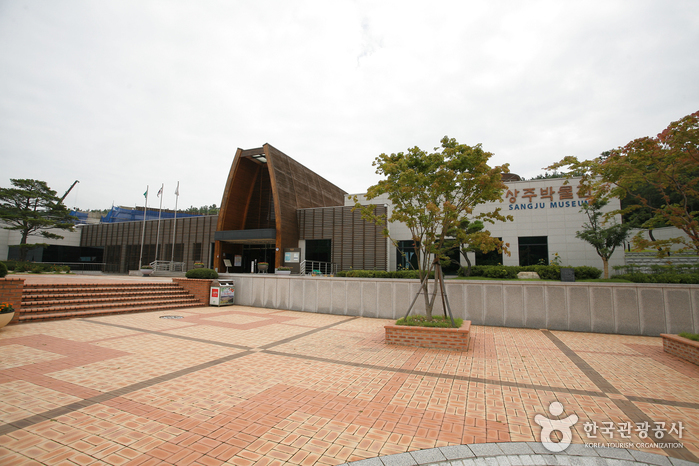
Sangju Museum (상주박물관)
2022-12-26
684, Gyeongcheon-ro, Sangju-si, Gyeongsangbuk-do
Sangju Museum was established to highlight the history of Sangju, and systematically preserve and manage the city's cultural heritage. Opened in November 2007, the museum features several exhibitions as well as eco pond, stone artifacts and a traditional clock tower outside. Next to the museum, the Traditional Ceremony Center offers visitors a chance to try various traditional activities inside a hanok.
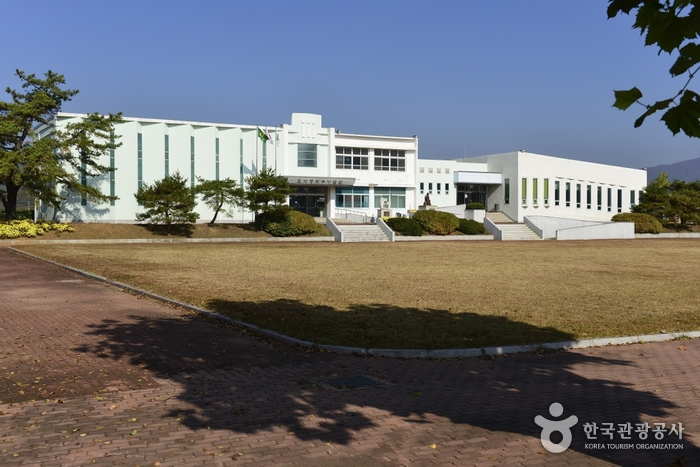
Filial Son Jung Jaesu Memorial Hall (효자 정재수 기념관)
2021-04-09
201, Hyoja-ro, Sangju-si, Gyeongsangbuk-do
+82-54-535-0575
Filial Son Jung Jaesu Memorial Hall was constructed to honor the bravery of Jung Jaesu, who died at the age of 10 while saving his father. The memorial hall opened on June 12, 2001 at the former Sasan Elementary School where Jung was a student.
In the Jung Jaesu Exhibition Room on the first floor, materials relating to Jung’s devotion are on display. In the Memorial Room on the second floor, various materials and works created by students are on display, as well as the classroom Jung studied in. The theater shows movies about devotion as well as Jung’s virtuous deed. The theater is also used for seminars and conferences.

Sangju Bicycle Museum (상주 자전거박물관)
2026-08-11
415 Yongma-ro, Sangju-si, Gyeongsangbuk-do
The Sangju Bicycle Museum has a large collection of bicycles of all types and sizes, and from all over the world. On the first floor, bicycles are arranged in the order of production year and model. On the second floor, a special exhibition is set up to show the history of bicycles in Korea. Finally, the museum runs a free bicycle rental in the yard outside the main building.
Osan-ri Prehistory Museum (오산리선사유적박물관)
2021-08-11
33, Hakpo-gil, Yangyang-gun, Gangwon-do
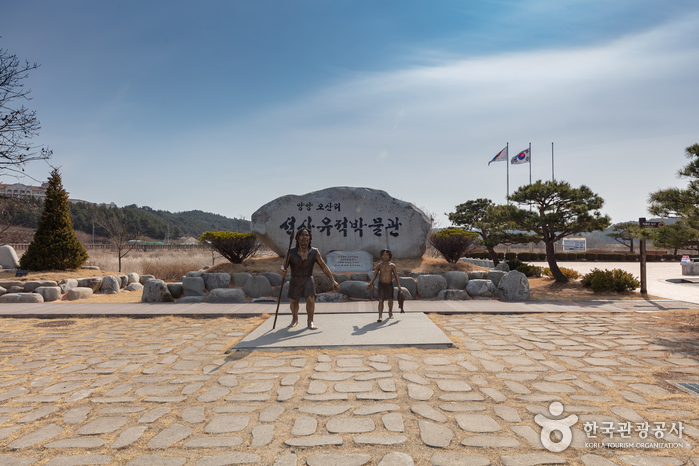
Osan-ri Prehistory Museum is dedicated to preserving, researching, and exhibiting artifacts found in the Archaeological Site in Osan-ri, Yangyang. These artifacts, dating back to the Neolithic period about 8,000 years ago, were found over the course of public works on the museum’s surrounding wetlands. The collection of nearly 40,000 artifacts, include earthenware with a raised design, stone arrowheads, and net weights, represent one of the premier archaeological findings of the Neolithic period in Korea. The artifacts themselves speak to the fishing, hunting, and gathering activities of the Neolithic residents of Osan-ri. The museum is divided into indoor and outdoor exhibitions, storage, and research areas. Exhibition Hall 1, located indoors, offers a diorama of the Neolithic lifestyle in Osan-ri, such as fishing, gathering, and earthenware production. Exhibition Hall 2 introduces the prehistoric culture of the Yeongdong region, encompassing the periods from the Neolithic to the Iron Age in Yangyang, Goseong, and Gangneung. Outdoor Exhibition includes Neolithic cottage models, exploration paths, and Ssangho Wetlands, whose nickname of “the dancing reed bed” comes from the mysterious sight of the reed bed rising over the wetlands like an island, dancing to the winds.
Seongho Museum (성호박물관)
2021-02-24
131, Seongho-ro, Sangnok-gu, Ansan-si, Gyeonggi-do
+82-31-481-2574
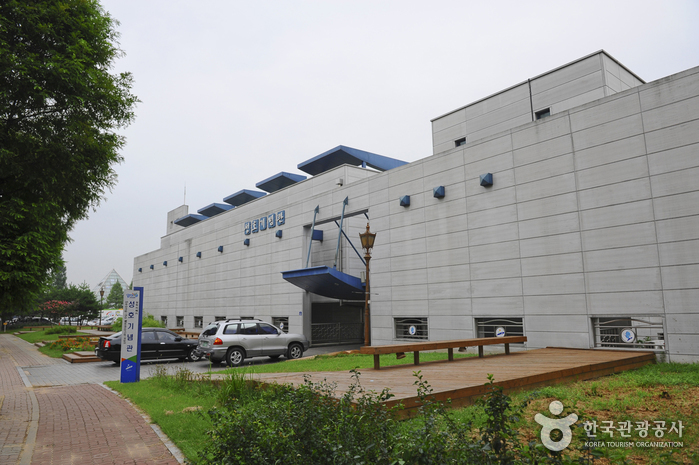
Seongho Museum was built by the municipality of Ansan in memory of Seongho Yi Ik (1681-1763), a great Neo-Confucian scholar from Ansan, to house his personal academic works and associated artifacts. The museum was opened in May 2002 and has on exhibit the personal handwritten materials and works of Yi Ik and other relics related to his studies and philosophy.
Major exhibits include Yi Ik’s handwritten poems and letters, the Seongho literary book, and books written by Toegye Yi Hwang, Misu Heo Bok, Bangye Yu Hyeong-won, and Dasan Jeong Yak-yong, most of which are the original copies. There are also a significant number of relics on exhibit that were once owned by individual collectors.
EXCO (Daegu Exhibition & Convention Center) (엑스코(EXCO))
2021-02-18
10, Exco-ro, Buk-gu, Daegu
+82-53-601-5000
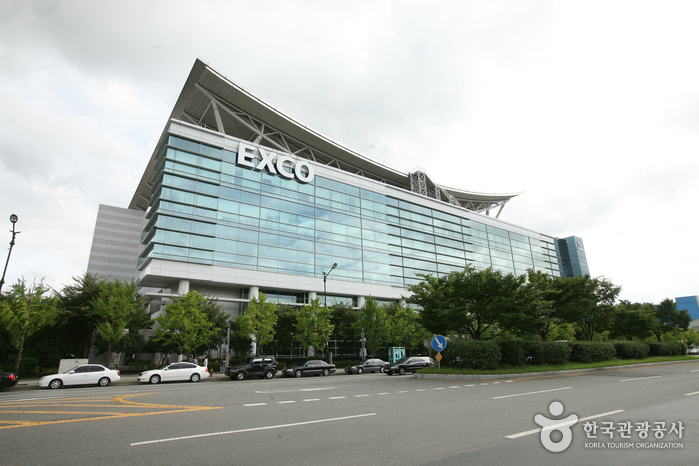
EXCO is a leading exhibition and convention center in Daegu Metropolitan City, opened with the aim of promoting the local economy as well as the business, culture, and art sectors of Korea on an international scale. EXCO hosts over 1,000 events annually, ranging from international exhibitions and meetings to local business promotions. Opened in 2001, the center was expanded in 2020 to host larger international events.

Chuncheon Art Gallery (춘천미술관)
2022-10-20
71, Seobudaeseong-ro, Chuncheon-si, Gangwon-do
Chuncheon Art Gallery started from a simple exhibition at the Children’s Center in Samcheon-dong in 1995. Thanks to this exhibition and the continued efforts of the Chuncheon Fine Arts Association to make Chuncheon a city of culture and arts, the gallery was able to move and open as a permanent exhibition space. The gallery offers local artists a venue to actively present their works, serving as a stimulant for expanding the popularity of culture and arts and enriching the lives of citizens. The Chuncheon Art Gallery is a relaxing and easily accessible cultural space to enjoy art in the Chucheon area.
 English
 한국어
한국어 日本語
日本語 中文(简体)
 Deutsch
 Français
 Español
 Русский


